Solid Wood Tables and Longevity
A solid wood dining table brings natural warmth and distinctive grain character to any dining room. Oak, walnut, and teak rank among the most commonly curated species in solid hardwood, and each reads differently: lighter oaks feel casual, darker walnuts more formal. Well-constructed hardwood tables last for generations when maintained with the appropriate finish type and kept in stable indoor humidity. Wood is sensitive to moisture, so consistent climate protects against warping. Its repairability stands out, since scratches can be sanded and refinished.
Glass Tables and Visual Lightness
Glass top tables reduce visual mass, making them a strong choice for smaller Montreal condos where a solid-top table might feel too dominant. This visual lightness opens up tight spaces without sacrificing a proper dining surface. Tempered glass is the appropriate safety standard, with a thickness of 8 to 12 mm providing load capacity and impact resistance. Glass readily shows fingerprints, so frequent wiping is routine. The base material pairing matters, while frosted or smoked finishes soften marks.
Sizing and Shape in Montreal
A minimum clearance standard of 36 inches between the table edge and the nearest wall or obstacle allows comfortable seated movement. A round dining table Montreal buyers favour suits smaller square rooms, allowing flexible seating and removing the hierarchy of a fixed head position, while rectangular tables scale naturally to a seat count of six or more. An extendable dining table Montreal households choose keeps a condo-friendly footprint. Bring room dimensions to your showroom visit, since a piece may overwhelm a small dining area.
Caring for Each Material
Marble requires periodic sealing, annually or as the supplier recommends, plus immediate attention to acidic spills. Use pH-neutral cleaners only. Solid wood benefits from occasional oiling or waxing depending on the finishing care its surface requires, and it dislikes excessive moisture and direct heat. The glass cleaning method is simple: a lint-free cloth and appropriate glass cleaner, never abrasive products that scratch over time. All three materials benefit from placement away from prolonged sunlight exposure.
Pairing Tables with Dining Chairs
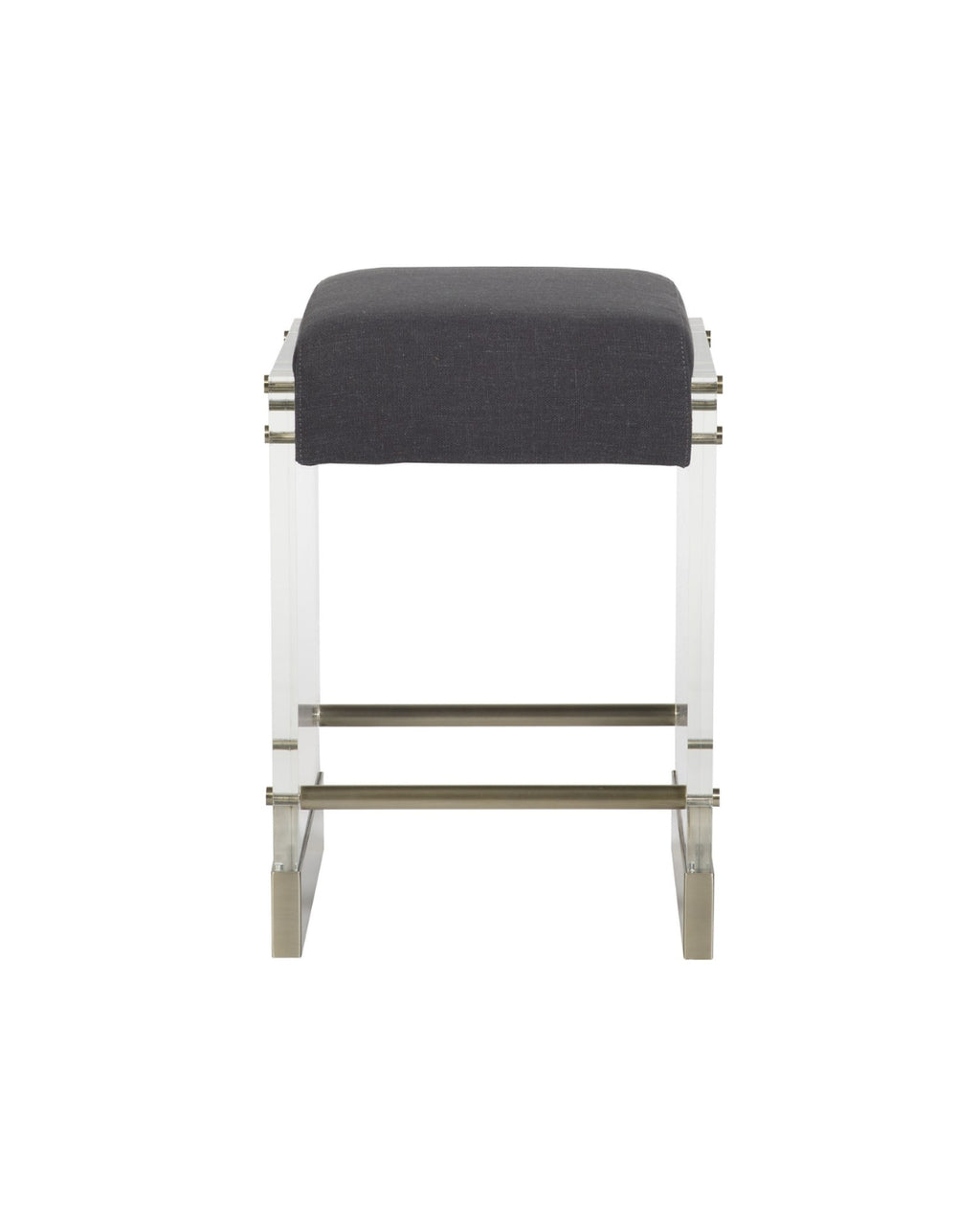
Marble tables are complemented by chairs in leather, velvet, or refined metal, materials that echo their formality and visual weight. Solid wood pairs naturally with upholstered dining chairs, mixed-material, and wooden styles alike, since its warmth is forgiving. Glass tables benefit from lighter profiles such as metal chairs, acrylic, and slimmer upholstered forms that preserve visual continuity and openness. The seat-to-table height standard leaves roughly 12 inches between seat and surface, so confirm this before buying. Chair scale matters too.
Material and Interior Style Fit
Marble suits formal, contemporary, high design interiors where the dining table becomes the room's focal point, so the surrounding palette deserves equal consideration. Solid wood adapts across the widest styles, settling naturally into rustic, transitional, Scandinavian, and organic modern rooms alike. Glass favours minimalist and urban modern spaces, lending visual lightness where openness is the priority. Let flooring, wall colour, and light quality guide the choice. Hybrid pairings, marble atop wood or glass atop a wood frame, bridge both registers.
Mobilart's Dining Table Curation
Mobilart has curated dining room furniture in Montreal for over 40 years, applying consistent standards for construction quality, material integrity, and design relevance. The over 25,000 sq ft showroom at 8260 Devonshire, Mont-Royal lets visitors experience marble, wood, and glass dining tables in person, alongside their chair pairings, within styled room contexts. Complimentary design consultations are available to help match the right material, size, and shape to your specific room and household. Experiencing the materials directly is the most reliable approach.
Visual Weight and Room Scale
Visual weight matters as much as physical dimensions. A solid marble table in a small space can feel as large as a wider table in a different material, so visual mass shapes room scale perception as strongly as measurements do. Glass reduces perceived occupation, since sightlines through to the floor expand a condo dining room and open-plan layouts. Solid wood sits between glass and marble. Dark species like walnut and wenge add weight; lighter ash and white oak preserve spatial flow.