Start with Size: The Measurement Rules That Actually Work
Sizing is where most purchasing mistakes happen. The two-thirds rule is the most reliable starting point in any coffee table buying guide, but applied without context, it still leaves room for error. Here is a complete measurement framework.
- Width rule: your coffee table should be approximately two-thirds the length of your sofa. For a standard 84-inch sofa, that means a table in the 54- to 56-inch range. Going wider creates a cluttered feel; going significantly narrower leaves the arrangement unanchored.
- Height rule: the table height should match or sit one to three inches below your sofa seat cushion height. Most sofas have a seat height between 17 and 19 inches, so most standard coffee tables, at 16 to 18 inches, are a natural fit.
- Clearance rule: leave 14 to 18 inches between the edge of the table and the sofa. This allows comfortable movement for seated occupants and prevents the room from feeling pinched.
In smaller Canadian condos and apartments, which are a common reality in Montreal and other Quebec urban centres, they err toward the lower end of the width rule. A table that reads as proportional in a larger open layout can easily overwhelm a more compact room.
How to measure your living room for a coffee table
Start with your sofa length, then calculate two-thirds of that measurement as your target table width. Next, measure your sofa seat height and identify a table within 1 to 3 inches below that height. Finally, confirm you have at least 14 inches of clearance on all sides, including from walls, doorways, and adjacent furniture.
One commonly missed step: measure the rug, not just the sofa. A coffee table that lands entirely on bare floor while the sofa sits on a rug creates a visual disconnect. Ideally, the front legs of the sofa and all the legs of the coffee table rest on the same rug.
The right coffee table height for your sofa
Standard sofa seat height is 17 to 19 inches. Standard coffee table height is 16 to 18 inches. For most traditional or transitional sofas, this pairing works without adjustment.
Low-profile or sectional sofas with seat heights around 15 to 16 inches may call for a lower table, sometimes as low as 12 to 14 inches. A table that sits higher than the sofa seat cushion will feel intrusive when seated. A table slightly lower than the cushion creates a relaxed, intentional look that suits modern and minimalist interiors well.
Choosing the Right Shape for Your Room Layout
Shape is not purely aesthetic. It is a functional decision driven by your seating configuration, room size, and how you move through the space. Rather than listing shapes in isolation, here is a layout-based framework for matching shape to room.
Rectangular tables work best with standard three-seat sofas in traditional or transitional layouts. They provide the most usable surface area and reinforce the linear geometry of a straight sofa arrangement.
Square tables pair naturally with sectionals and L-shaped configurations. The symmetry of a square table fills the natural corner pocket created by the sofa and creates visual balance across all seating positions.
Round and oval tables are the right call for smaller rooms, open-concept spaces, and homes with young children. Without sharp corners, the room softens, and movement becomes easier. Oval tables give you some of the surface area of a rectangle while still maintaining that safer, softer profile.
Nesting tables are worth serious consideration for flexible or compact living rooms. They tuck away when not needed, expand when you are hosting, and do not compete with the room visually at rest. For Quebec condo dwellers managing limited square footage, this is frequently the smartest option.
The guiding rule for shape: the table should mirror the dominant lines of your seating arrangement, not fight them. A straight sofa with a round table can work, but requires intentional styling to feel resolved.
Round vs rectangular coffee table: which is right for your space?
- A round table softens angular rooms, encourages conversation by removing physical corners from the social space, and works well in open-concept layouts where the seating floats rather than hugs a wall. It is also the safer choice for households with young children.
- A rectangular table provides significantly more surface area, grounds a longer sofa more confidently, and is better suited to linear, symmetrical layouts. If your living room has a clear front-and-back orientation and a standard sofa, rectangular is usually the stronger functional choice.
Materials: What to Choose Based on Your Lifestyle
Competitors will list materials. This section connects each material to the lifestyle it actually suits, including considerations specific to Quebec homes where seasonal humidity changes and daily household activity matter.
Wood is the most versatile and forgiving choice for most households. It suits modern, transitional, and traditional styles equally. Minor scratches can be treated rather than requiring full replacement. Annual conditioning with a natural wood oil keeps the surface in good condition. For most people searching for the best coffee table material for their living room, solid wood or wood veneer is the answer.
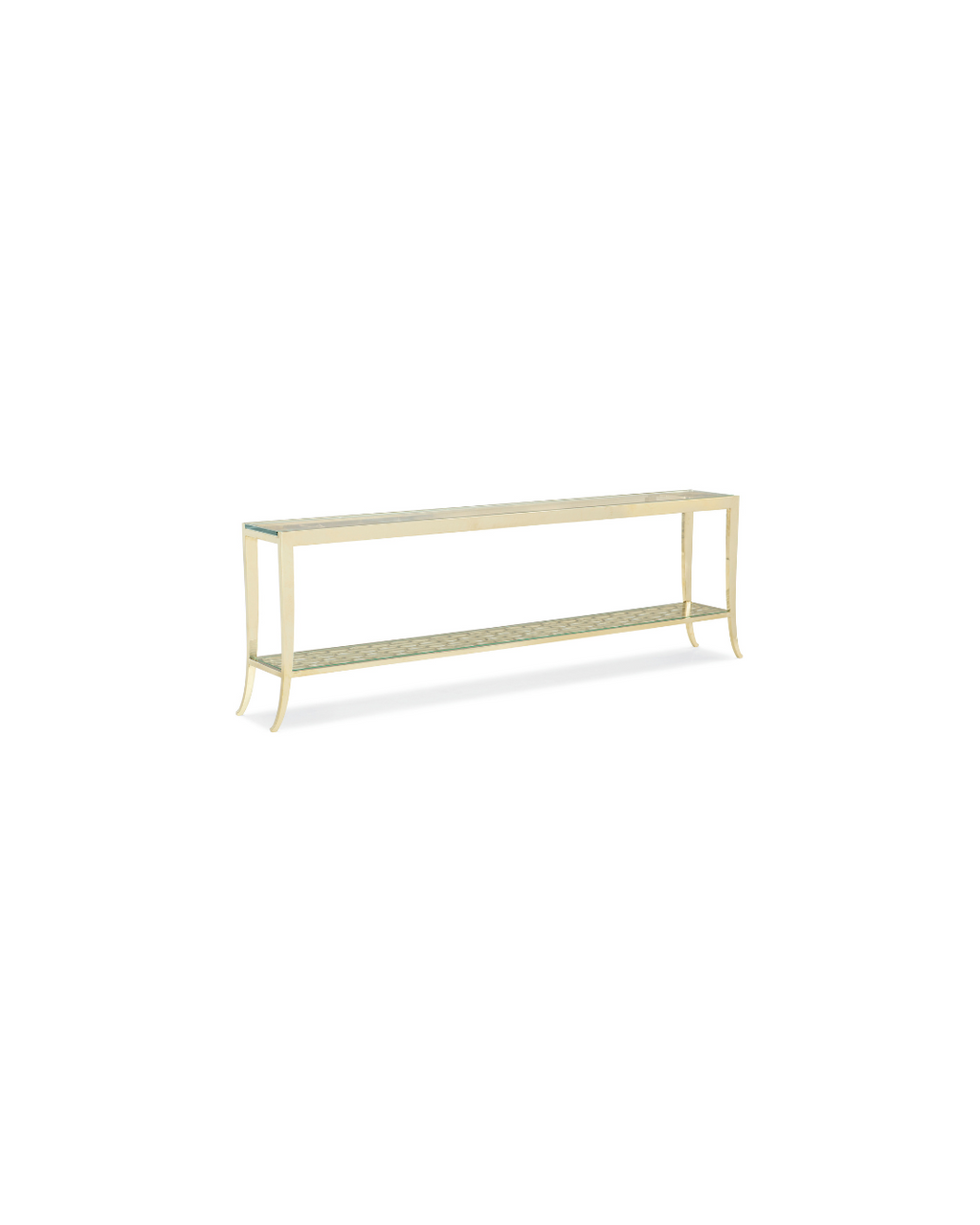
Glass visually expands a smaller room by allowing sightlines to pass through rather than being blocked by a solid surface. The trade-off is maintenance. Glass surfaces constantly show fingerprints, water rings, and dust. For households with young children or pets, the upkeep quickly becomes a source of frustration.
Marble and natural stone add an unmistakable sense of luxury. They are heavy, stationary, and require regular sealing to prevent staining. In Quebec, where indoor humidity fluctuates significantly between humid summers and dry heated winters, natural stone surfaces can be more susceptible to stress over time. Sealed properly and placed thoughtfully, a marble coffee table is a lasting investment.
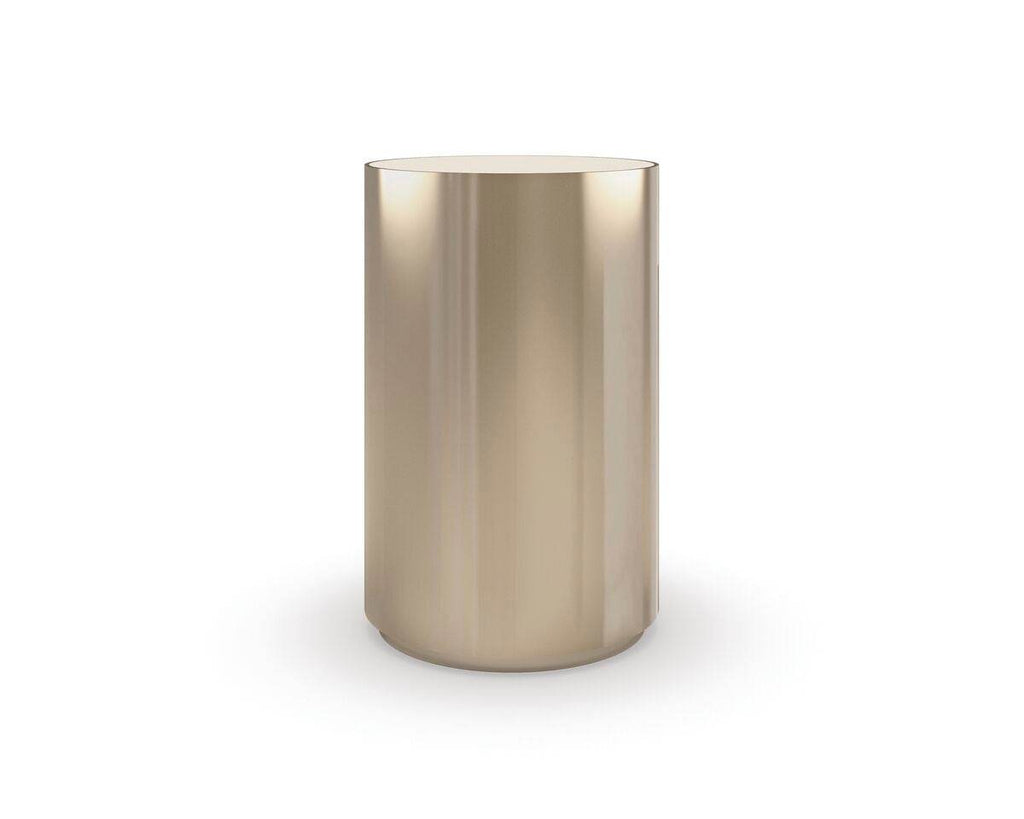
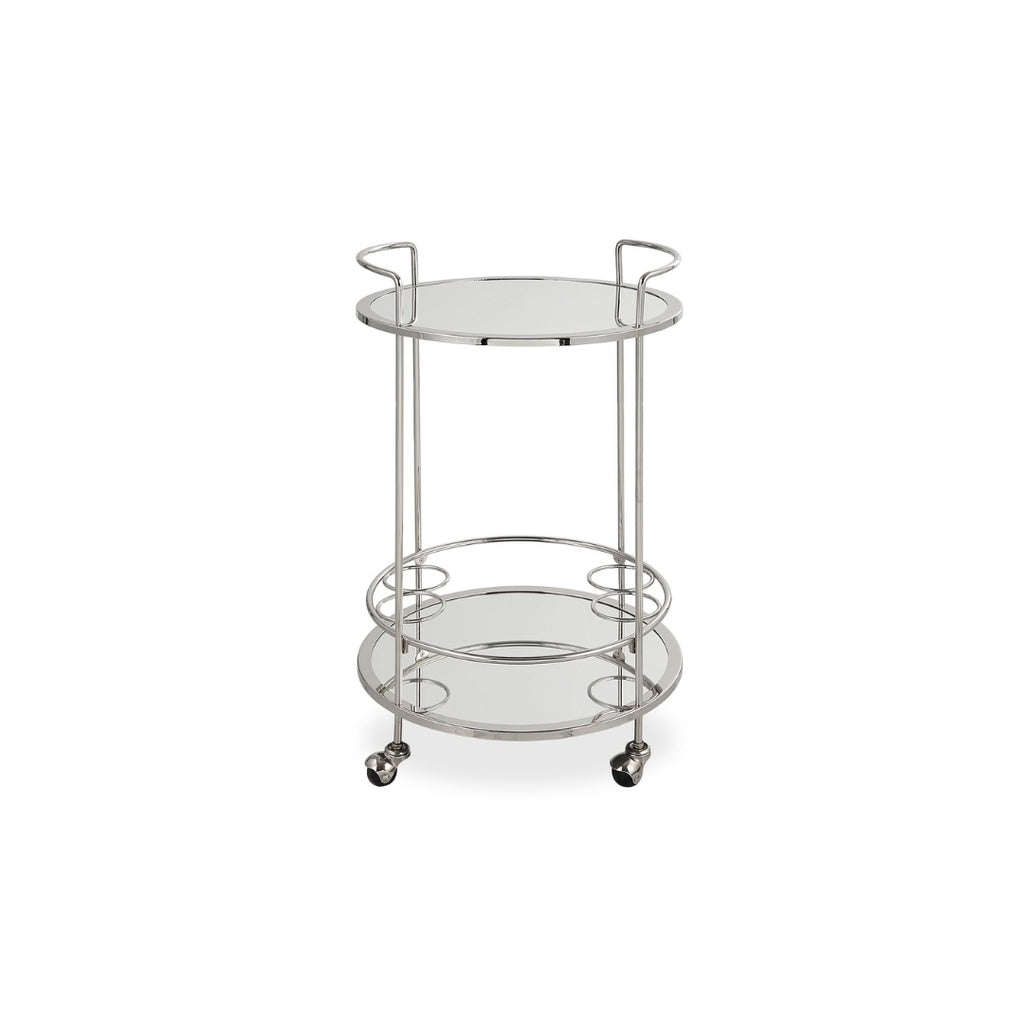
Metal frames and surfaces bring a modern or industrial character to a room. Metal is highly durable, requires almost no maintenance, and pairs naturally with minimalist or loft-inspired interiors. As a primary surface material, it can feel cold in a warm domestic setting, so metal works best combined with wood or upholstered elements.
Acrylic and tempered glass share a similar visual lightness, but acrylic offers better impact resistance. For high-traffic households that want the open, transparent look without the fragility concern, acrylic is a practical solution.
Which coffee table material is easiest to maintain?
Wood wins for everyday ease. Micro-fibre cloth for dusting, coasters to prevent water rings, and an annual condition with natural wood oil keeps a solid wood table looking excellent for decades. Glass and marble both require more frequent attention. For marble specifically, immediate attention to spills is non-negotiable to prevent permanent staining.
Style Compatibility: Matching Your Coffee Table to Your Existing Decor
Once size, shape, and material are resolved, style selection is the final filter. The most common mistake at this stage is choosing a table that works beautifully in isolation but clashes with the room it enters.
Start by identifying your room's existing style. Modern, transitional, rustic, and eclectic spaces each call for different aesthetic signals. A live-edge walnut table reads as rustic warmth. A lacquered white frame reads as modern restraint. A table with visible brass hardware reads as transitional or Art Deco leaning.
Your coffee table does not need to match your TV stand, your side tables, or your bookshelves. What it does need is a consistent relationship in one design dimension. Matching finish tone, warm versus cool, is the easiest way to create coherence across mixed materials and styles.
In neutral rooms, the coffee table can serve as an anchoring accent piece. A single bold material or colour choice reads as intentional when everything else is understated. In rooms with strong existing colour or pattern, keep the table neutral and let it support rather than compete.
The most common styling error: purchasing based on a single styled photo without considering the full room palette. A table that photographs beautifully in a minimal white room may disappear entirely in a richly layered space.