Step 1 — Size: Match Your Stand to Your TV and Your Room
Sizing is where the most common and most avoidable mistakes happen. The core issue is that most buyers measure the wrong thing. A TV's listed size is its screen diagonal, but stands are sized by base width, and those two numbers are not the same.
Width rule: the stand should be at least 2 to 4 inches wider than the TV on each side. This ensures visual balance and structural stability. A stand that is narrower than the TV base is both unsafe and visually awkward.
Height rule: Seated eye level should align with the center or lower third of the TV screen. For most standard sofas, this means a stand height of 24 to 30 inches. Going too high forces an uncomfortable upward viewing angle over extended periods.
Depth rule: the stand's depth must physically accommodate the TV's feet or base legs. Measure where the feet land on the TV's underside, not the screen width. Some TVs have feet positioned toward the outer edges; others sit on a central pedestal. This measurement determines whether the TV will actually sit securely on the stand.
What Height Should a TV Stand Be?
The standard guideline (according to the TV stand size guide) is that the seated eye level should align with the center or lower third of the screen. For most adults on a standard sofa, a stand height of 24 to 30 inches is comfortable.
For low-profile seating — floor cushions, low-slung modular sofas — a TV bench at 18 to 22 inches is a better fit. For rooms with wall-mounted TVs, the stand below serves only as storage, and its height is independent of the viewing angle.
Step 2 — Type: Which TV Stand Style Fits Your Setup?
The right type of TV stand depends on your room layout, how much storage you need, and what your walls and floor space can support. This is not a purely aesthetic decision.
TV console or bench: the most common type. Low, wide, and available in open or closed storage configurations. Works in most living rooms and suits minimalist, transitional, and Scandinavian styles. The default starting point for most buyers.
Entertainment center or media unit: a full surround unit offering maximum storage across a wide footprint, sometimes floor to ceiling. Best suited to large living rooms. Can overwhelm smaller spaces and open-concept apartments.
Floating or wall-mounted stand: mounted directly to the wall below a wall-mounted TV, with no floor footprint. Sleek, space-saving, and well-suited to condos and modern interiors. The wall must be able to support the weight — concrete walls require specific anchoring hardware.
Corner TV stand: triangular design that fits into an unused corner of the room. Reduces floor footprint without sacrificing TV size capacity. Particularly well-suited to smaller Quebec apartments and open-concept layouts where central wall placement is not practical.
Fireplace TV stand: combines an electric fireplace insert with TV stand functionality. Adds warmth and visual ambiance to a room without a dedicated hearth. Popular in Canadian homes and available in both rustic and modern finishes.
Mount-integrated stand: a stand with a built-in TV mount that allows height and angle adjustment from the base. Useful in rooms where viewing angle changes depending on seating position or room configuration.
TV Stand vs Wall Mount — Which Should You Choose?
Wall mounting gives you the cleanest visual result and maximizes floor space. It works best in modern rooms and for homeowners who are comfortable with wall anchoring. Studs or a proper mount kit are required — wall type matters significantly, particularly in older Quebec buildings with concrete or plaster walls.
A TV stand requires no drilling, includes integrated storage, and is easy to reposition. It is the better choice for renters, for frequently reconfigured spaces, or for buyers who want the storage built in.
The hybrid option — a floating wall-mounted stand positioned below a wall-mounted TV — provides the clean look of a mount with usable storage underneath. It is increasingly popular in condos where floor space is limited but aesthetics are a priority.
Step 3 — Storage: Matching the Stand to How You Actually Use Your TV
Storage needs vary dramatically depending on your media setup. A household running a single streaming stick has almost nothing to store. A household with a gaming console, a Blu-ray player, a soundbar, and an external hard drive needs a different category of stand entirely.
Assess your equipment before choosing a storage type.
Open shelving: best for gaming consoles and media devices that require ventilation or reliable infrared remote access. The tradeoff is that cables and equipment are visible, which affects the room's overall tidiness.
Closed cabinets with doors: conceals clutter effectively and suits living rooms where the aesthetic matters as much as function. One consideration: solid doors may block infrared remote signals. Look for IR-compatible glass panel doors if your devices rely on line-of-sight remotes.
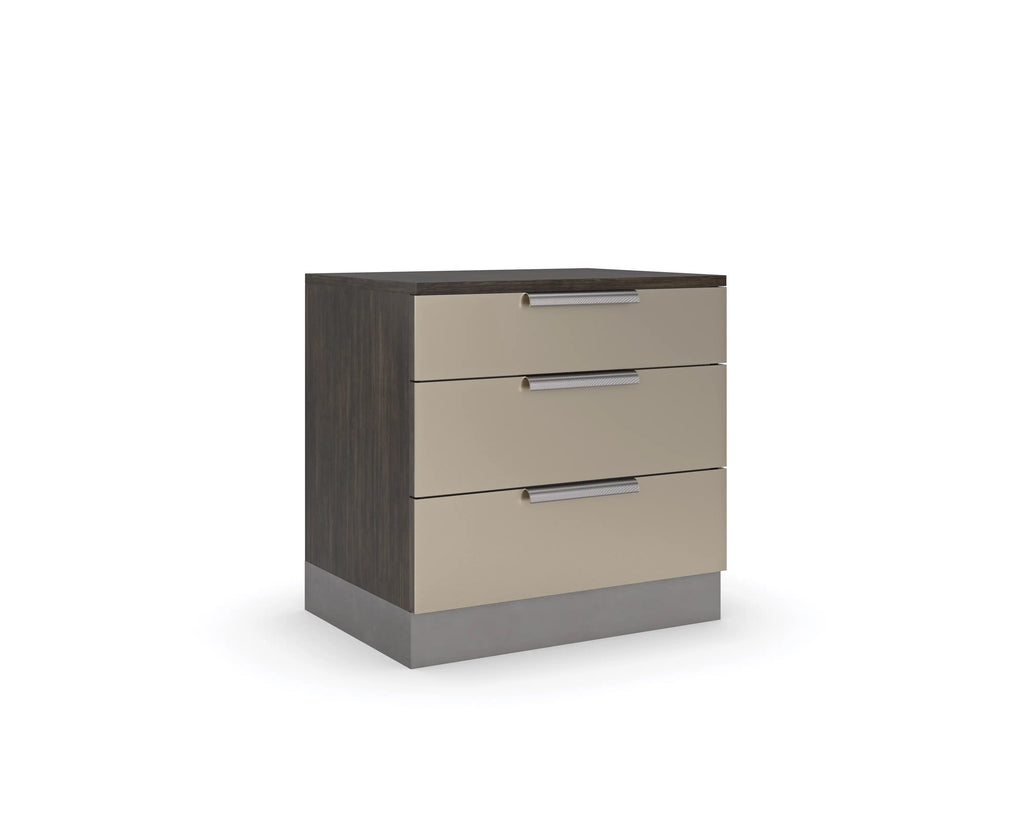
Drawers: ideal for remotes, controllers, charging cables, and smaller accessories. Keeps horizontal surfaces clear without the full concealment of a cabinet.
Cable management: this is where many stands are quietly deficient. A TV stand with storage but no cable management becomes a visible mess of cords within weeks of setup. Look for stands with rear panel cable routing holes, open-back designs, or integrated cable channels. Confirm that the back panel allows for a power bar — some fully enclosed designs make this impractical.
Soundbar clearance: if a soundbar is part of your setup, verify that the stand's front edge is recessed or low enough to allow the soundbar to sit without blocking the TV screen.
Step 4 — Style: Matching Your TV Stand to Your Living Room Décor
Function drives the decision. Style confirms it. Once size, type, and storage are resolved, the aesthetic dimension is about making the stand cohere with what is already in the room.
Solid wood TV stands are the warmest and most durable option. They suit traditional, rustic, and Québécois farmhouse styles and are available in oak, walnut, and pine finishes across a wide price range. A solid wood TV stand ages well, can be refinished, and holds weight reliably — qualities that make it Mobilart's most consistently recommended material for TV furniture.
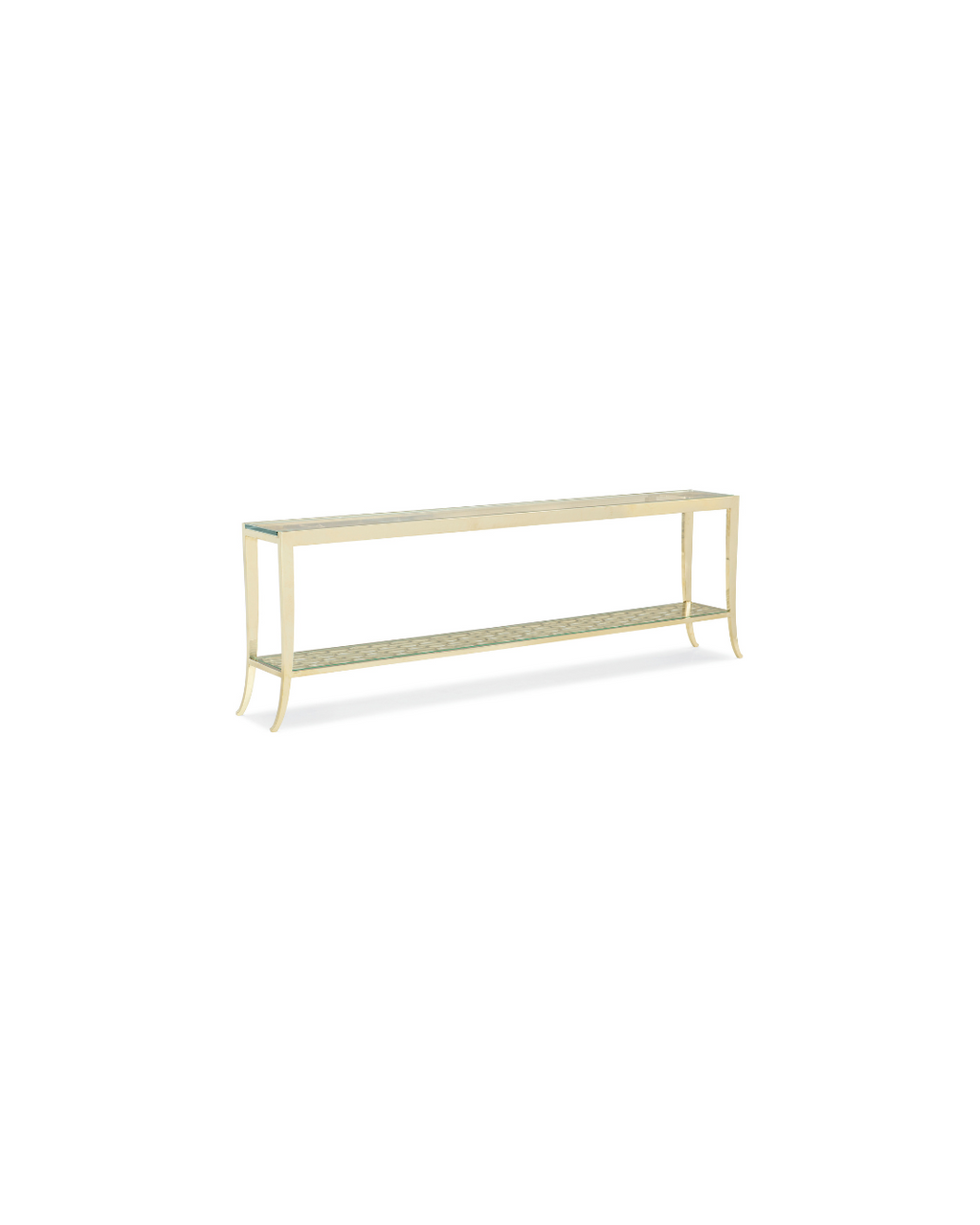
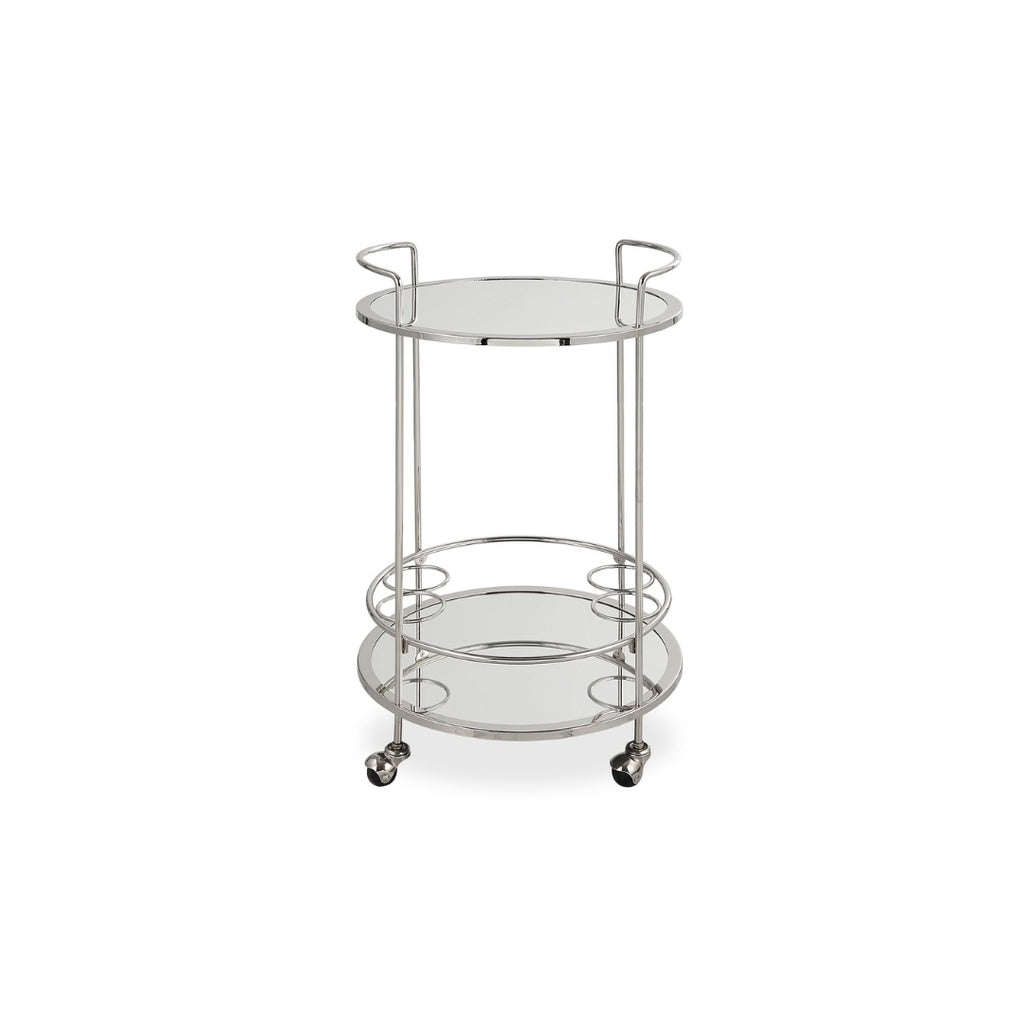
Metal and glass combinations produce a sleek, modern look suited to minimalist, industrial, and contemporary interiors. Glass surfaces show fingerprints and require consistent maintenance — a practical consideration in households with children.
White or light-finish stands open up smaller rooms visually and pair naturally with neutral walls, Scandinavian-influenced interiors, and coastal-style spaces. They work particularly well in Quebec condos where the goal is to keep the room feeling airy.
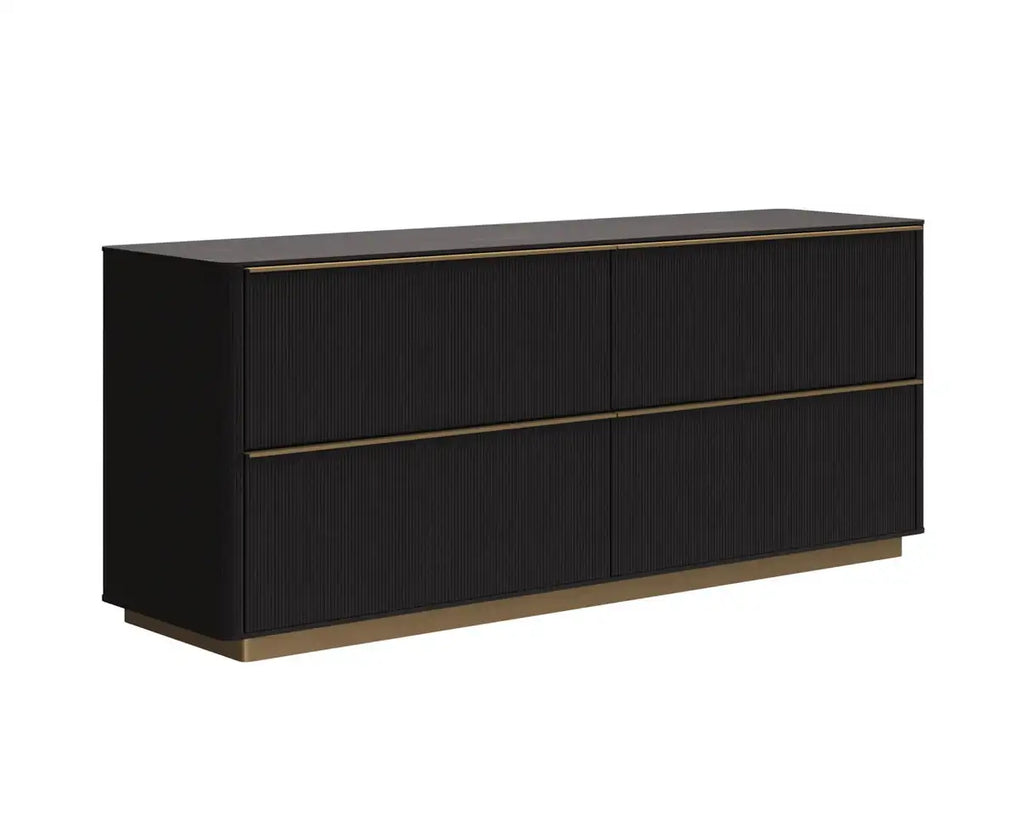
Dark-finish caution: a large dark stand placed beneath a large dark TV screen creates a heavy visual mass that dominates the wall. In smaller rooms, this effect is amplified. Balance with lighter walls, lighter rugs, or metallic accent pieces to offset the weight.
Style coordination rule: the TV stand does not need to match the coffee table or other furniture exactly. What matters is finish tone consistency — warm tones throughout, or cool tones throughout. Mixing warm oak with cool grey finishes in the same room creates subtle visual tension that is difficult to resolve without replacing one of the pieces.