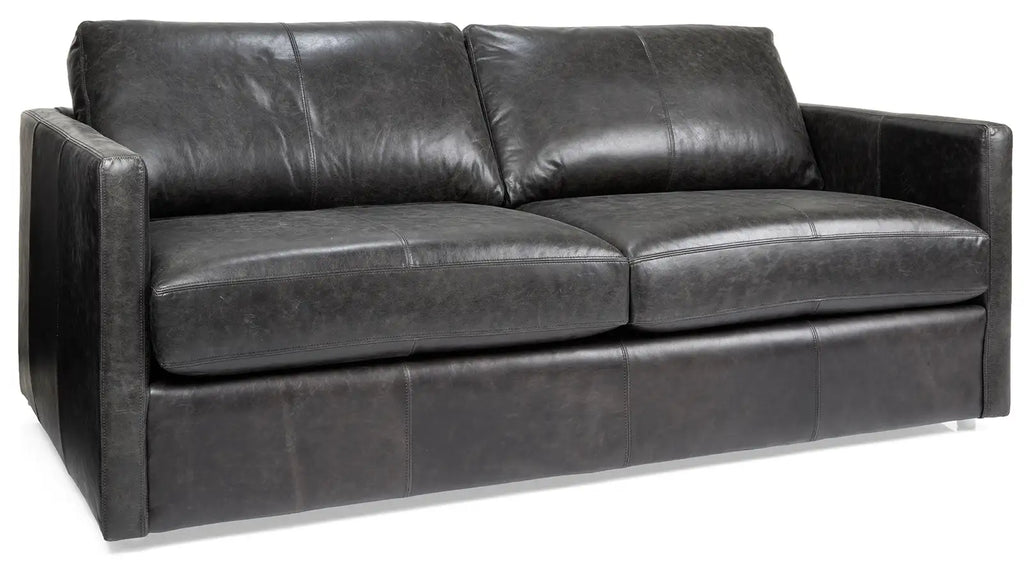
How to Identify What Type of Leather Your Couch Is Made Of?
Before you clean a leather couch, you must know what type of leather it is made from. Different leather types react very differently to moisture, soap, and conditioners. Using the wrong method can cause stains, peeling, or permanent discoloration.
Start by checking manufacturer labels or care tags. These are often found under seat cushions, on the underside of the sofa, or in the original care documents. If no label is available, visual and touch tests can help.
Look closely at the surface. Natural variation in colour and visible grain usually indicates higher quality leather. A very uniform appearance with little variation often points to pigmented or faux leather.
You can also perform a simple water drop test in an inconspicuous area. Place a single drop of water on the leather and watch what happens. If the water absorbs quickly and darkens the spot, it is likely aniline or semi-aniline leather. If the water beads on the surface, the leather has a protective coating.
Touch matters as well. Very soft, buttery leather with a warm feel is often aniline. Slightly coated leather that still feels natural is usually semi-aniline. Smooth or plastic-like surfaces are common with pigmented or faux leather.
Correct identification matters because the wrong cleaning products can permanently damage leather and may even void warranties.
Aniline and Semi-Aniline Leather
Aniline and semi-aniline leather have little to no protective coating. They absorb liquids quickly and stain easily, which makes them more delicate.
These leathers are prized for their soft feel and natural appearance, with visible grain and colour variation. They require gentle cleaning methods and more frequent conditioning to maintain moisture.
Higher maintenance is the trade-off for a rich patina that develops beautifully over time. Harsh cleaners or excess water can leave permanent marks on this type of leather.
Pigmented and Protected Leather
Pigmented leather has a polymer topcoat that protects it from stains and moisture. This makes it the most durable and easiest type of leather to maintain.
It is commonly used in family homes, condos, and high-traffic living rooms. Pigmented leather cleans well with mild soap and water and tolerates light moisture better than aniline leather.
Because of its durability, it is a popular choice for households with children or pets.
Bonded Leather and Faux Leather
Bonded leather is made from leather scraps bonded together with adhesives and coated with a synthetic layer. It is more affordable but prone to peeling and cracking over time.
Faux leather is usually polyurethane or vinyl over a fabric base. It looks like leather but does not contain natural hide.
Neither bonded nor faux leather should be conditioned like genuine leather. Conditioners can cause buildup or surface damage. These materials need gentle cleaning and protection from heat, friction, and harsh cleaners.
Tools and Supplies You Need to Clean a Leather Couch at Home
Gathering the right tools before you start makes cleaning safer and more effective. Using improper materials can scratch or stain leather.
You will need soft, lint-free microfiber cloths. White or neutral colours are best to avoid dye transfer. Have several cloths available so you can separate cleaning, rinsing, and drying.
A vacuum cleaner with a soft brush attachment helps remove dust and debris from seams, crevices, and under cushions. This step prevents grit from scratching the surface during wiping.
Distilled water is important because it does not contain minerals that can leave spots or residue on leather.
Choose a mild pH-neutral soap or Castile soap for general cleaning. Commercial leather cleaners are optional but helpful for deeper cleaning, especially on pigmented leather.
A quality leather conditioner is essential after cleaning genuine leather. Conditioning restores oils and prevents drying and cracking.
A soft-bristle brush or clean toothbrush works well for gently cleaning seams and stitched areas without damage.
Step by Step Guide to Clean a Leather Couch
Cleaning a leather couch works best when you go slow and keep moisture to a minimum. Follow these clear steps for a safe, even clean.
- Remove cushions and clear the surface: Take off all removable cushions and throw pillows. Move any items off the couch so you can reach every area.
- Vacuum thoroughly: Using a vacuum with a soft brush attachment, vacuum the seat, back, arms, seams, and crevices. Pay extra attention to stitching and corners where dust and debris collect.
- Mix your cleaning solution: In a bowl, combine a small amount of mild soap with distilled water, or use a commercial leather cleaner as directed. Keep the solution gentle and avoid anything harsh.
- Dampen a microfiber cloth: Dip a clean microfiber cloth into the solution, then wring it out very well. The cloth should feel lightly damp, not wet.
- Wipe in small sections: Wipe the leather using gentle circular motions, working one section at a time. Do not scrub. For seams or textured areas, use a soft bristled brush lightly.
- Remove soap residue: Dampen a second microfiber cloth with plain distilled water, wring it out, and wipe the same areas to lift any remaining soap or cleaner.
- Dry immediately: Use a dry microfiber cloth to wipe the leather right away. No moisture should be left sitting on the surface.
- Let the couch fully air dry: Wait until the leather is completely dry before applying any leather conditioner.
Never spray liquid directly onto leather. Always apply cleaner to your cloth first so you control the amount of moisture.
How to Clean Aniline Leather Sofas Safely?
Aniline leather requires extra caution because it absorbs moisture easily. Use a foaming cleaner or lightly whipped soap solution to reduce liquid contact.
Work in very small sections and allow each area to dry before moving on. Avoid overlapping wet areas, which can create water marks.
Never scrub or apply pressure. Gentle wiping is enough. After cleaning, apply a protective cream or conditioner designed for aniline leather.
How to Clean Pigmented and Faux Leather Couches?
Pigmented leather and faux leather are more forgiving. A mild soap and water solution works well for routine cleaning.
You can use slightly more moisture than with aniline leather, but the cloth should still never be dripping wet. Wipe evenly and dry thoroughly.
Pigmented leather benefits from conditioning after cleaning. Faux leather should not be conditioned but can be protected with a faux leather protector spray.
DIY Leather Cleaner Recipes That Actually Work
Many homeowners prefer DIY leather cleaner for furniture because it is affordable and accessible. Homemade solutions can work well when used correctly.
One simple recipe combines equal parts white vinegar and distilled water. This works for general cleaning on pigmented leather. Always wipe with a damp cloth afterward to remove residue.
Another gentle option uses a few drops of Castile soap in warm distilled water. This solution is mild and suitable for routine cleaning.
Always spot test any DIY solution on a hidden area first. Homemade cleaners are not recommended for aniline leather due to absorption risks.
Avoid bleach, ammonia, alcohol based cleaners, and all purpose household sprays. These can strip oils and damage leather permanently.
How to Remove Stains from a Leather Couch Without Damage?
Knowing how to remove stains from a leather couch quickly can prevent permanent marks. The general rule is to blot immediately and never rub.
Always identify the stain type first and test your method in an inconspicuous area before treating visible sections:
Ink Stains
For ink stains, dip a cotton swab in rubbing alcohol and gently dab the stain. Do not spread the ink.
Dry the area with a blow dryer on low heat to help set the leather. For stubborn ink, a non-gel cuticle remover applied carefully overnight may help, but use caution.
Grease and Oil Stains
Sprinkle baking soda, cornstarch, or talcum powder over grease stains. Let it sit for several hours or overnight to absorb the oil.
Brush off gently with a soft cloth. If residue remains, clean lightly with a mild soap solution and dry thoroughly.
Water Stains and Rings
Water stains often appear as dark rings. Lightly dampen a cloth and wipe outward from the centre of the stain in circular motions to blend it into surrounding leather.
Dry immediately and apply conditioner once fully dry to restore moisture and appearance.
Food, Beverage, and Pet Stains
Remove solid residue with a spoon. Blot liquids immediately with a dry cloth.
Clean gently with a mild soap solution. For lingering odours, place a dish of baking soda nearby, not directly on the leather.
Deep or old stains may require professional leather cleaning to avoid damage.
The Best Way to Condition Your Leather Couch
- Conditioning is essential for maintaining leather flexibility and preventing cracking and fading.
- Always clean the leather before conditioning.
- Pigmented leather typically needs conditioning every six to twelve months.
- Apply conditioner with a soft cloth using circular motions.
- Avoid over conditioning.
- Faux leather cannot be conditioned.
What to Avoid When Cleaning Leather Furniture?
Leather is durable, but it is also sensitive to the wrong products and cleaning habits. Avoiding these common mistakes will help prevent permanent damage.
Never use bleach, ammonia, or alcohol based cleaners on leather furniture. These products strip natural oils, weaken the surface, and can cause cracking or discoloration.
All purpose cleaners and wipes:
Household cleaners, disinfecting wipes, baby wipes, and makeup wipes often contain detergents, fragrances, or preservatives that slowly dry out leather and break down its finish.
Excessive water and steam:
Leather should never be soaked. Using too much water or steam cleaners allows moisture to seep into seams and padding, leading to warping, staining, or mold.
Although saddle soap is designed for leather, it is too aggressive for furniture grade leather. It can remove protective coatings and leave the surface dry and brittle.
Heat and direct sunlight:
Placing leather furniture near heaters, fireplaces, or sunny windows accelerates drying and fading. Prolonged exposure makes leather stiff and prone to cracking.
Sharp objects and pet claws:
Keys, belt buckles, and pet claws can scratch or puncture leather. These marks are often permanent and cannot be repaired with cleaning alone.
Choosing a Leather Sofa That Fits Your Lifestyle
Many people learning how to clean a leather couch are also thinking about their next furniture investment. Choosing the right leather type makes long term care much easier.
Pigmented leather is ideal for families with children and pets because it resists stains and is easier to clean. Aniline leather suits low traffic spaces where its natural patina can be appreciated.
Canadian winters are particularly hard on leather. Dry indoor air accelerates moisture loss, making regular conditioning more important.
When shopping, always ask about leather type, care instructions, and warranty implications. Using incorrect cleaning products can void warranties.
Mobilart offers a range of leather and fabric sofas designed for different lifestyles and home environments, helping homeowners balance beauty with practicality.
You might be interested in: A guide on how to choose the right sofa for you
How Often Should You Clean and Maintain Your Leather Couch?
A consistent schedule makes leather care simple and manageable. Light maintenance prevents the need for aggressive cleaning later.
Dust weekly with a dry microfiber cloth or vacuum using a soft attachment. Monthly, wipe down surfaces with a slightly damp cloth.
Every three to six months, deep clean using a leather cleaner or mild DIY solution. Condition pigmented leather every six to twelve months and aniline leather more frequently.
Address spills and stains immediately as they happen. Once a year, consider professional cleaning for heavily used or neglected couches.
When to Call a Professional Leather Cleaner?
Sometimes home methods are not enough. Deep set stains that do not respond to gentle cleaning may require professional leather cleaning.
Dye transfer from clothing, especially on light leather, is difficult to remove safely at home. Faded, cracked, or peeling leather may need restoration services.
Aniline leather with significant damage should always be handled by professionals. If you are unsure about your leather type or the safest method, professional help prevents costly mistakes.