













JULY , 2026
At Mobilart, over 40 years of curation informs how each dining room is brought together. Styling a luxury dining table for guests turns a meal into an experience — one built through the right materials, considered layers, and pieces that relate to one another.
The table's material and finish determine everything layered on top. A dark walnut surface suits warm, earthy tableware and amber glassware. A cool, veined marble top calls for cleaner palettes in white, brass, or muted stone. A glass table requires deliberate texture underneath, since the surface itself nearly disappears. Identifying the table's direction first makes every subsequent choice easier and more cohesive.
A tablescape builds from the bottom up. A runner or cloth sets the base, chargers anchor each place setting, and plates, glassware, and napkins add the next layer. Height, introduced through a centerpiece, candles, or elevated vessels, keeps the eye moving without crowding the surface. Positioning taller elements at roughly one third and two thirds of the table's length, rather than dead centre, creates organic balance.
A rectangular table suits an elongated arrangement, whether grouped candles, a long low tray, or a runner of botanicals following the table's axis. A round table calls for a single circular focal point, such as a bowl, a cluster of vessels, or a low floral arrangement echoing its shape. The dining room table centerpiece should be substantial enough to register visually without crowding the place settings on either side.
Everyday dining calls for simplicity. A low ceramic bowl, a tray of objects, or a small arrangement keeps the table ready for use without demanding attention. A dinner party benefits from a clear focal point and candles at varied heights. Holiday hosting invites seasonal elements, evergreen, dried botanicals, metallic vessels, woven into the existing base rather than replacing it entirely. A cohesive base that adapts across occasions saves effort and expense.
Contrast separates a considered tablescape from a matching set. Matte stoneware or linen napkins read differently against glossy crystal or a polished metallic vessel, and that difference creates depth. Limiting the mix to two or three materials keeps the table intentional rather than busy. Organic elements such as natural fibre, botanicals, and unglazed ceramic, alongside polished brass or lacquered chargers, introduce the tension that makes a setting feel styled.
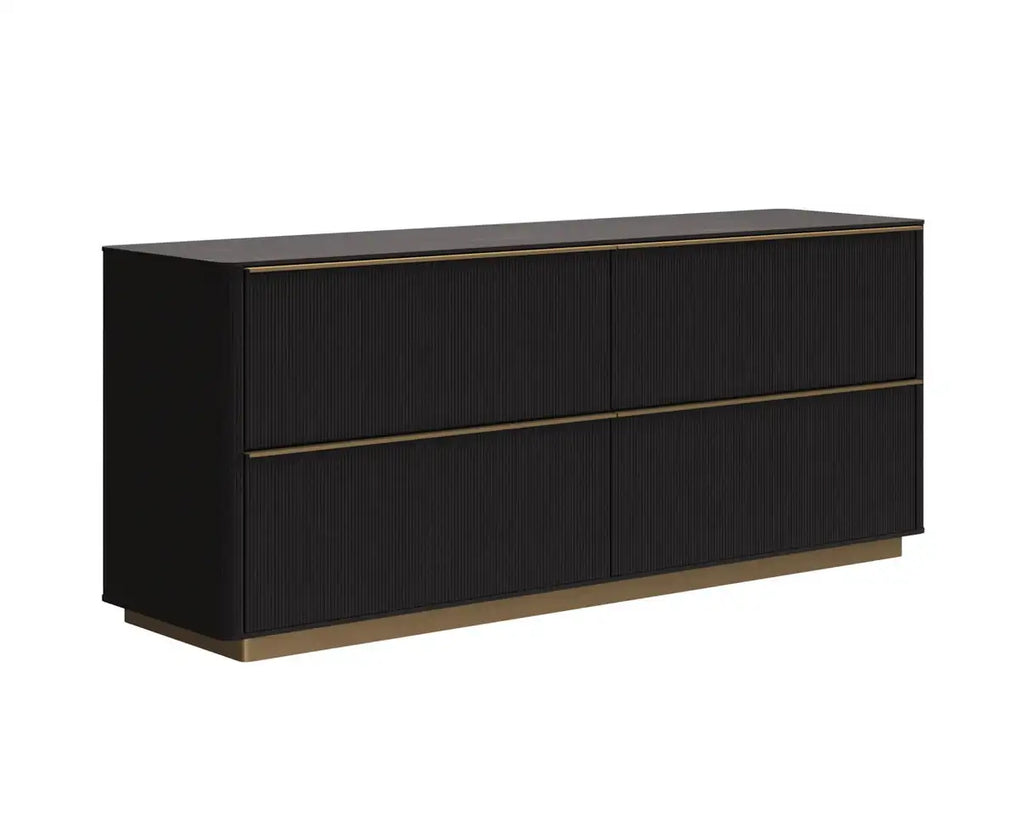
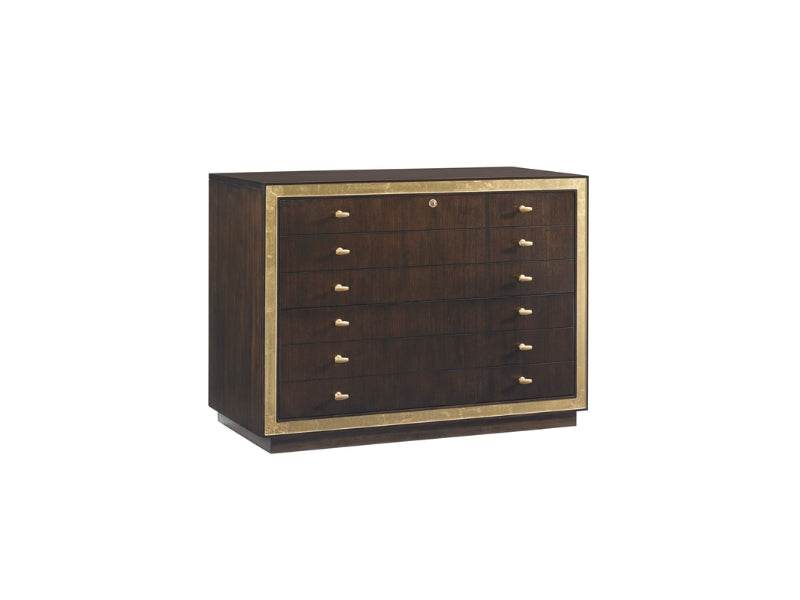
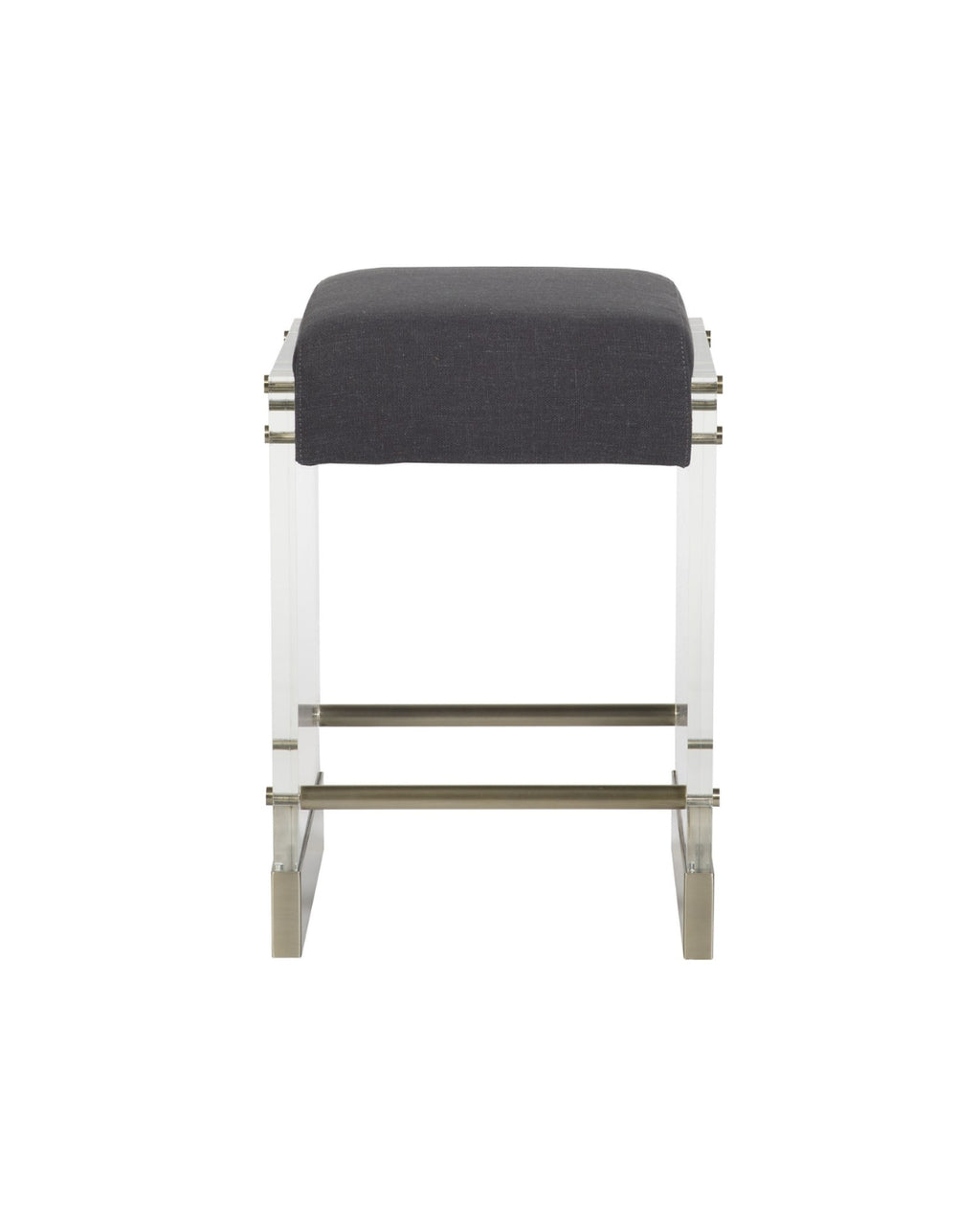
Chairs that complement rather than match the table read more considered than a matched set. A dark walnut table paired with upholstered chairs in a complementary fabric, or a contrasting wood finish, creates visual rhythm. The sideboard behind the table is part of the same composition; styling it to echo the table's palette, through a few objects or a low arrangement, extends the setting. Mobilart's dining chairs span upholstered and wood frame options suited to both approaches.
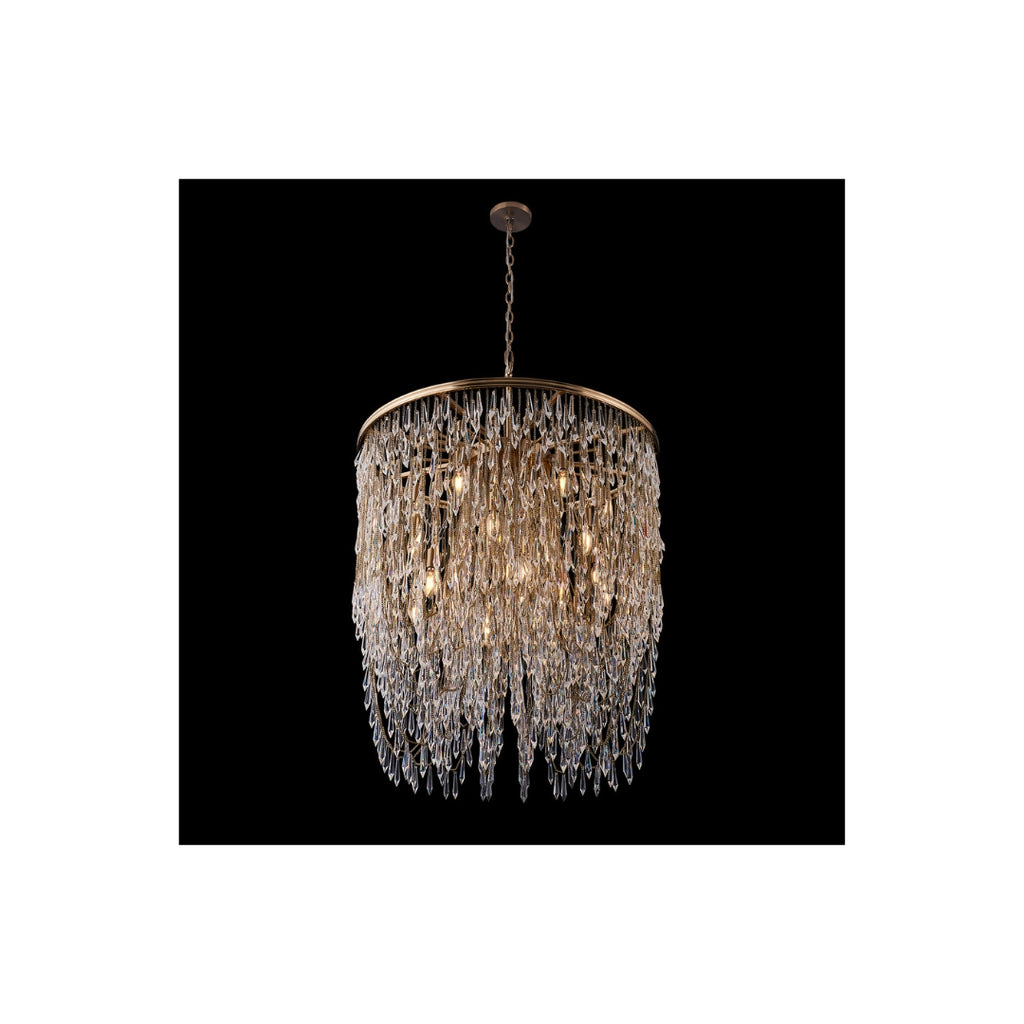
A pendant or chandelier over the table is as much part of the setting as the tableware. The fixture should measure roughly two thirds the width of the table, so it feels proportionate rather than undersized or overwhelming. Hang it low enough to create warmth over the meal, typically 70 to 75 centimetres above the surface, without blocking sightlines. Mobilart's lighting collection includes pendants and chandeliers suited to dining rooms across styles and scales.
Coordinating a dining table with the right chairs, sideboard, and lighting from separate sources is harder than it looks. Mobilart's 25,000 sq ft showroom at 8260 Devonshire, Mont-Royal displays complete dining vignettes, table, chairs, sideboard, and lighting styled together, so visitors can see how the pieces relate before committing. A complimentary design consultation helps pull a full setting together across scale, finish, and proportion, informed by over 40 years of curation and a family legacy since 1932.
Montreal's entertaining calendar leans heavily indoors, from autumn dinner parties through the holidays and into the long winters, giving the dining table more occasion than in warmer climates. Rather than rebuilding a tablescape for each gathering, a cohesive base of quality linens, considered objects, and a reliable centerpiece vessel allows seasonal refreshes with minimal effort. Swapping botanical elements, adding candles for the holidays, or introducing a lighter palette for summer keeps the setting current.
When a dining table extends to seat more guests, the centerpiece strategy needs to extend with it. A single arrangement that suited a compact surface looks isolated once a leaf is added. Breaking the centerpiece into a repeated sequence, grouped candles at intervals, a row of small vessels, or a longer runner, maintains visual continuity across the larger surface. Consistent height and spacing from one end to the other keeps the extended table reading as one composed setting.
A beautiful table that leaves no room for the meal has missed its purpose. Centerpieces below eye level let guests see each other across the table and hold conversation without leaning around an arrangement. Leaving generous space for plates, glasses, and shared serving dishes means the styling supports the dinner rather than competing with it. The most considered settings are those that could be cleared to the sideboard in moments, ready to function as intended.
Styling a luxury dining table well follows a clear sequence: start with the table's finish, layer linens and place settings with intention, choose a centerpiece proportioned to the shape and occasion, coordinate chairs and sideboard to extend the look, and let lighting complete the atmosphere. A well-styled table sets the tone for every gathering it hosts. Visit Mobilart's showroom at 8260 Devonshire, Mont-Royal to see complete dining settings styled in context.
Everyday styling works best when it is simple enough to live with and easy to clear before meals. A single low centerpiece, a ceramic bowl, a small plant, or a grouped tray of objects keeps the table looking considered without demanding extra effort to maintain. Leave most of the surface clear so the table stays genuinely usable rather than a display that needs to be moved at every meal. Consistent, modest styling reads more refined than clutter pushed aside daily.
The most versatile dining room table centerpiece has a single clear focal point rather than many small competing elements. A sculptural bowl, grouped candles at varied heights, a low seasonal floral, or a styled tray with a few objects each offer visual presence without overcrowding the setting. Proportion matters: the piece should register clearly from a seated position without blocking sightlines across the table or crowding serving dishes and glassware. Scale it to the table's length and shape before committing to a choice.
Match the drop length to the table and the formality of the occasion; a generous drop suits a dinner party while a runner works well for everyday, more casual meals. Choose a material that complements both the table and the tableware: linen reads relaxed and textural, pressed cotton or damask reads formal, and a runner in a complementary colour adds interest without covering the surface entirely. The colour should sit visually between the table's finish and the tableware placed above it.
A centerpiece should remain below the eyeline of seated guests, roughly 30 to 35 centimetres for a typical dining chair height, so conversation across the table stays unobstructed. Width should leave comfortable clearance for place settings on both sides, since a piece filling the full table width will crowd the setting considerably. Scale it to the table's length as well; a compact arrangement on a long table reads as an afterthought, while the same piece suits a round table well.
Yes. Mobilart's complimentary design consultation covers the full dining setting, from selecting a table and coordinating chairs to choosing a sideboard and lighting that work together as a cohesive composition. Complete dining vignettes are styled throughout the 25,000 sq ft showroom at 8260 Devonshire, Mont-Royal, making it possible to see how a table, chairs, sideboard, and lighting read together before making any decision. Walk-in visits are always welcome, or a consultation can be arranged in advance with the design team.
Begin with the table's finish and let that guide every other choice. A dark wood surface points toward warm, earthy materials; a marble or stone top suits cooler, more restrained palettes. Once the material direction is clear, look for a centerpiece that suits the shape and scale, then layer in linens and objects that echo without matching. Visiting Mobilart's showroom, where complete dining vignettes are styled in context, is one of the most direct ways to find a direction that works.
This website uses cookies to ensure you get the best experience on our website.