













JUNE , 2026
At Mobilart, over 40 years of curation across the major types of interior design styles — from transitional interior design to Art Deco — has shaped a 25,000 sq ft showroom built to make those decisions clear. This guide covers the styles most relevant to luxury home furnishing.
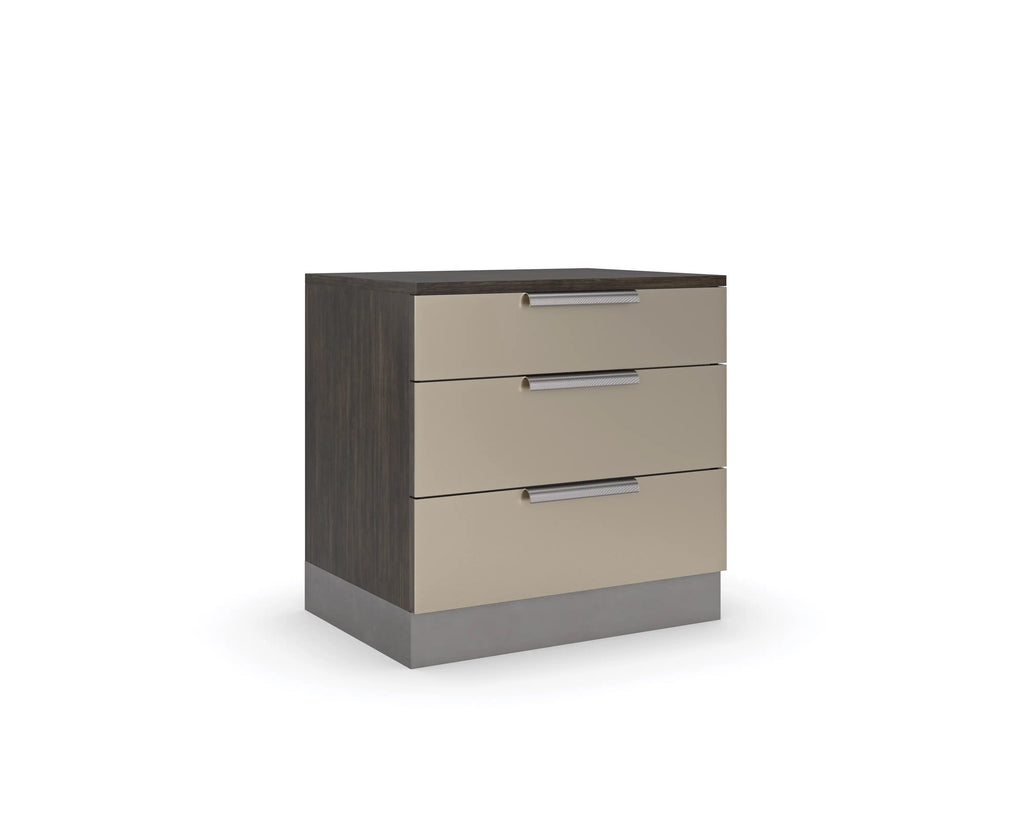
Transitional interior design occupies the space between traditional and contemporary, using clean lines and simplified forms while retaining warmth, comfort, and a sense of permanence. It commits neither to ornament nor to austerity. Key characteristics include streamlined upholstery, muted palettes of taupe, cream, and warm grey, and furniture that reads as elevated without demanding allegiance to any single period or design movement.
Transitional furniture is recognizable by its hybrid character: a sofa with a classic rolled arm in a contemporary neutral fabric; a dining table with traditional turned legs in a refined matte lacquer. Hardware tends toward brushed nickel or antique brass. Upholstery is almost always solid, allowing the form to carry visual interest. Wood finishes lean toward warm walnut or natural oak rather than painted or high-gloss alternatives.
Contemporary interior design refers to what is current rather than a fixed period, evolving continuously and absorbing elements from other styles. In 2026, this means clean silhouettes combined with soft textures such as bouclé and linen, sculptural forms that read as objects, and a neutral palette that allows material quality to carry visual interest. Contemporary design is distinguished from modern by its fluidity and absence of fixed rules.
Modern interior design refers to the aesthetic of the mid-twentieth century, characterised by flat surfaces, clean horizontal lines, Scandinavian-influenced materials, and a rejection of ornament. Contemporary design is not tied to any period and changes with current preference. Both share clean lines and minimal decoration, but modern has a specific historical reference point while contemporary simply reflects what is happening now. In retail, the two are frequently used interchangeably.
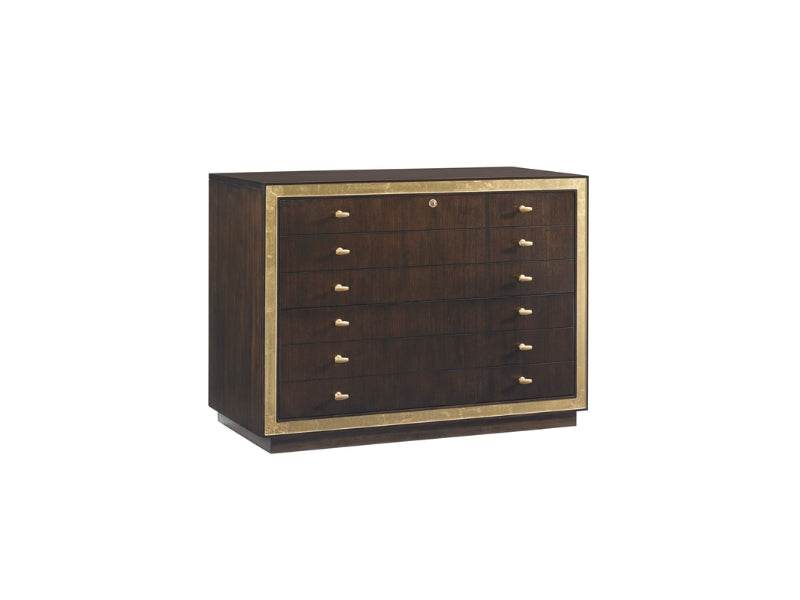
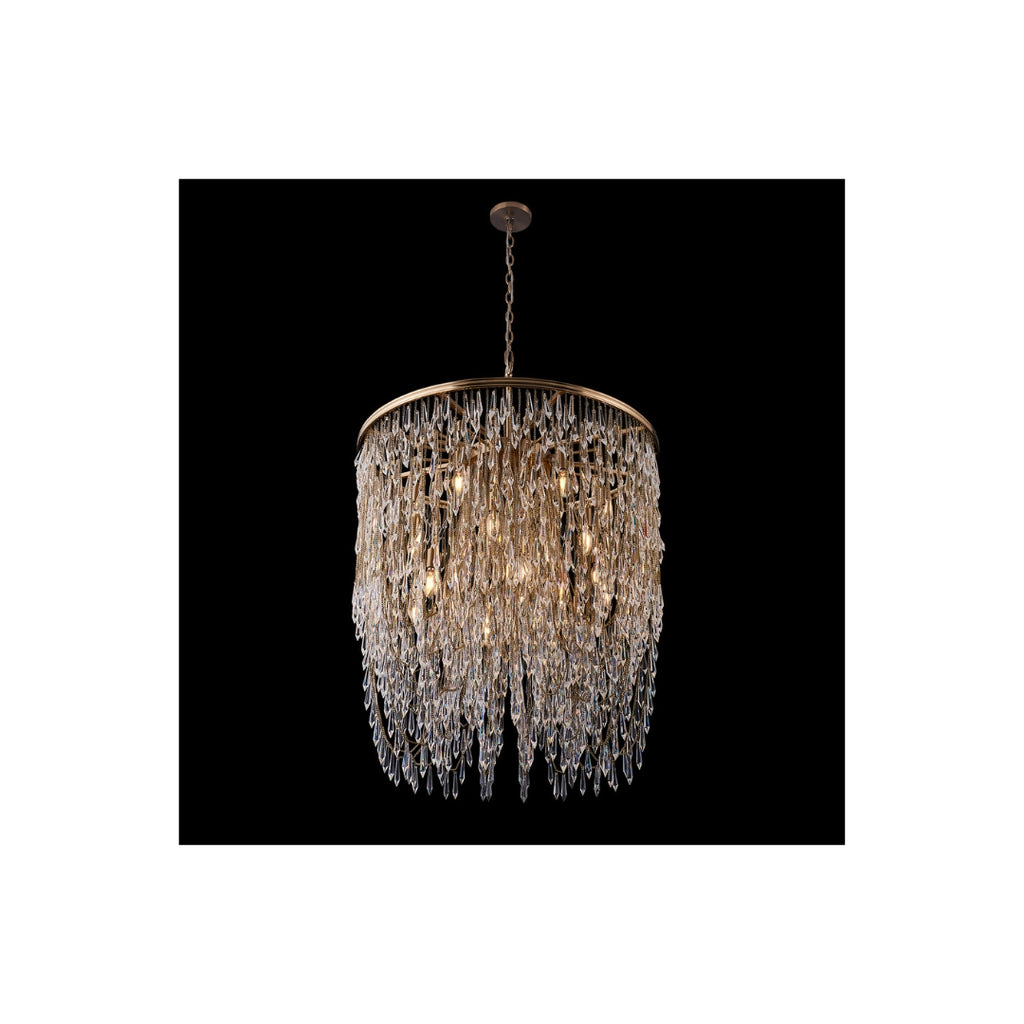
Art Deco interior design draws from the 1920s and 1930s: bold geometric forms, rich materials such as brass and marble, symmetrical compositions, and deliberate drama in every surface decision. The glamour aesthetic carries those principles forward using statement lighting, deep jewel tones, and sculptural furniture in rich upholstery. Both styles commit to visual impact and make the room a destination rather than a neutral backdrop.
Quiet luxury is a philosophy rather than a fixed style, applicable across design directions. It prioritises material quality over visual quantity, restraint over accumulation, and craft that speaks without announcing brand or trend. The palette is almost always neutral, textures are layered and specific, and nothing is accidental. Quiet luxury is distinguished from minimalism by its focus on curation rather than removal, and has emerged as a leading aesthetic in luxury residential furniture.
European luxury interior design draws from the traditions of France, Italy, and across the continent, favoring carved or turned wood details, rich upholstery, and layered materiality with a sense of permanence that mass-market furniture rarely achieves. It is not historical reproduction but a contemporary interpretation of Old World craft principles. Proportions are generous, finishes often hand-applied, and the overall effect is considered permanence. Mobilart’s European collection represents this direction in its most curated form.
Mobilart’s showroom at 8260 Devonshire, Mont-Royal is organised around the major design directions covered in this guide. Contemporary, modern, glamour, and European pieces are represented at scale across 25,000 sq ft, allowing clients who have identified a preferred style to see exactly how it translates into furniture proportions, material combinations, and room compositions before any purchase is made. The complimentary design consultation connects a client’s identified style to actual furniture proportions, room dimensions, and existing architecture.
Organic modern interior design combines minimalist structure with the warmth and deliberate imperfection of natural materials: raw-edge wood, linen upholstery, woven textures, and an earthen palette of clay, sand, and warm white. It is distinguished from cold minimalism by its tactility and from rustic design by its precision. Furniture tends toward simple, low-profile forms where material does the design work — well suited to Montreal homes with strong seasonal natural light.
Identifying a personal interior design style begins with an anchor piece — the one element in a room that feels most resolved. From that piece, the style’s language becomes legible. A clean-lined sofa in a warm neutral points toward transitional or contemporary. A sculptural accent chair in a deep jewel tone leans toward glamour or Art Deco. With the anchor identified, every subsequent decision can be tested against it rather than made from scratch.
Most real homes do not commit entirely to one design style and do not need to. The most considered spaces establish one dominant style for the primary furniture, then introduce accents from a complementary direction. Transitional accepts contemporary, European, and quiet luxury accents without visual conflict. Art Deco reads well against a contemporary base. Contrast should be introduced deliberately, one element at a time, rather than through several competing additions simultaneously.
The interior design styles in this guide — from transitional and contemporary through glamour, Art Deco, quiet luxury, European, and organic modern — represent the full range of directions a luxury home can take. Identifying which resonates is the first decision. Translating it into furniture for a specific Montreal room is the second. Mobilart’s showroom at 8260 Devonshire, Mont-Royal and complimentary design consultation support both steps, with over 40 years of curatorial expertise behind every recommendation.
Transitional interior design consistently ranks as the most commercially popular style in luxury residential furniture because it bridges the comfort of traditional design with the visual clarity of contemporary form. It suits the widest range of architectural contexts, from older Montreal homes with period details to new-build condominiums with open plans, and ages better than trend-driven styles. Its palette makes it the most forgiving backdrop for mixing pieces from different directions as a room evolves.
Transitional design blends traditional and contemporary elements, retaining warmth, classic proportions, and a sense of permanence while adopting clean lines. Contemporary design reflects what is current at a given moment, has no fixed period reference, and evolves continuously. In practice, transitional rooms feel complete and resolved; contemporary rooms feel current and adaptive. Both styles are well represented in Mobilart’s collections and can be explored in person at the 8260 Devonshire, Mont-Royal showroom.
Modern interior design refers to the mid-twentieth century aesthetic: clean geometry, Scandinavian-influenced materials, and a rejection of ornamentation rooted in a specific design period. Contemporary design refers to what is current, borrowing from many periods and adapting to present preferences. The two are frequently used interchangeably in retail but describe different things: modern is a historical style with a fixed reference point; contemporary is a moving aesthetic without period constraint.
Art Deco interior design originated in France in the 1920s and 1930s and is characterised by bold geometric forms, symmetrical compositions, and luxurious materials including brass, marble, lacquered wood, and mirrored surfaces. It communicates visual drama without sacrificing compositional order. Updated versions combine its signature material richness with cleaner contemporary silhouettes, resulting in rooms that feel timeless and current. The glamour aesthetic represented at Mobilart draws directly from this design tradition.
Mobilart's 25,000 sq ft showroom at 8260 Devonshire, Mont-Royal presents furniture across every major design direction, including transitional, contemporary, glamour, Art Deco, and European, at full scale in styled room environments. This allows buyers who have identified a preferred style to see exactly how it translates into furniture proportions, material combinations, and room compositions before purchasing. A complimentary design consultation is available for clients who want guidance matching a specific style to their room's architecture, dimensions, and existing elements.
Yes — and most well-composed rooms do. The key is establishing one dominant style for the primary pieces and introducing accents from a complementary direction at a supporting weight. Transitional works as a dominant style for virtually any accent direction. Art Deco pairs naturally with contemporary bases. Quiet luxury applies across all styles without disrupting the underlying register. The risk of mixing is not too many styles — it is too many styles without a shared material register.
This website uses cookies to ensure you get the best experience on our website.