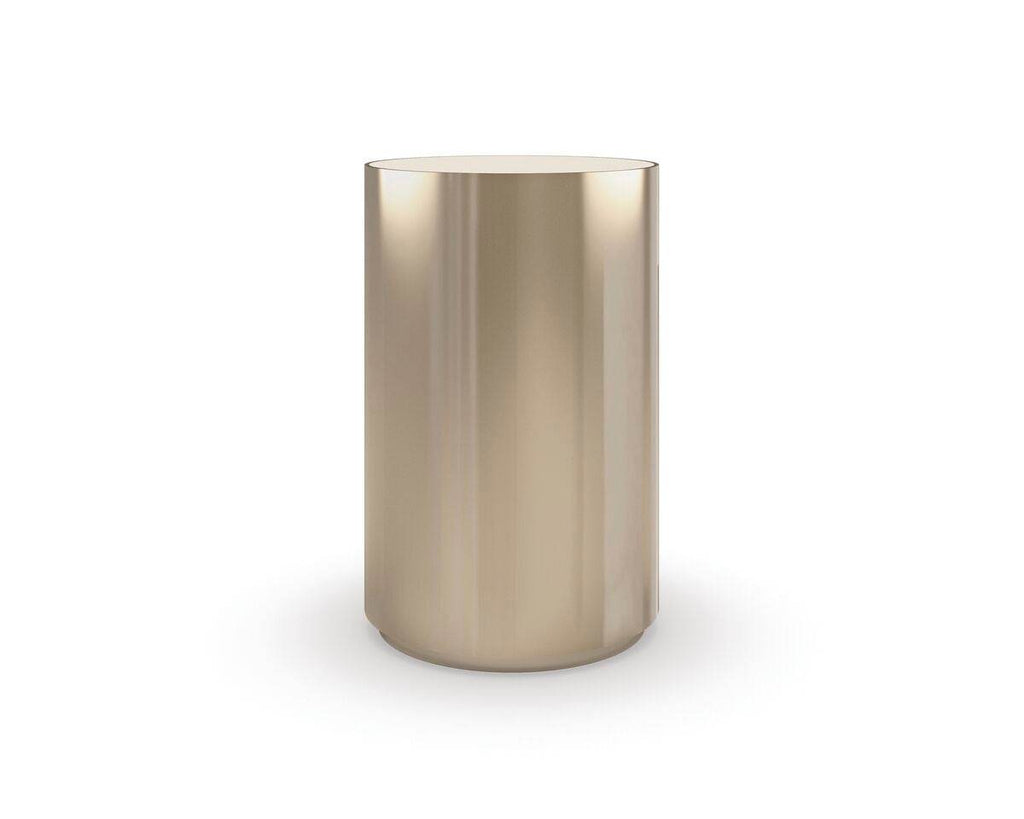
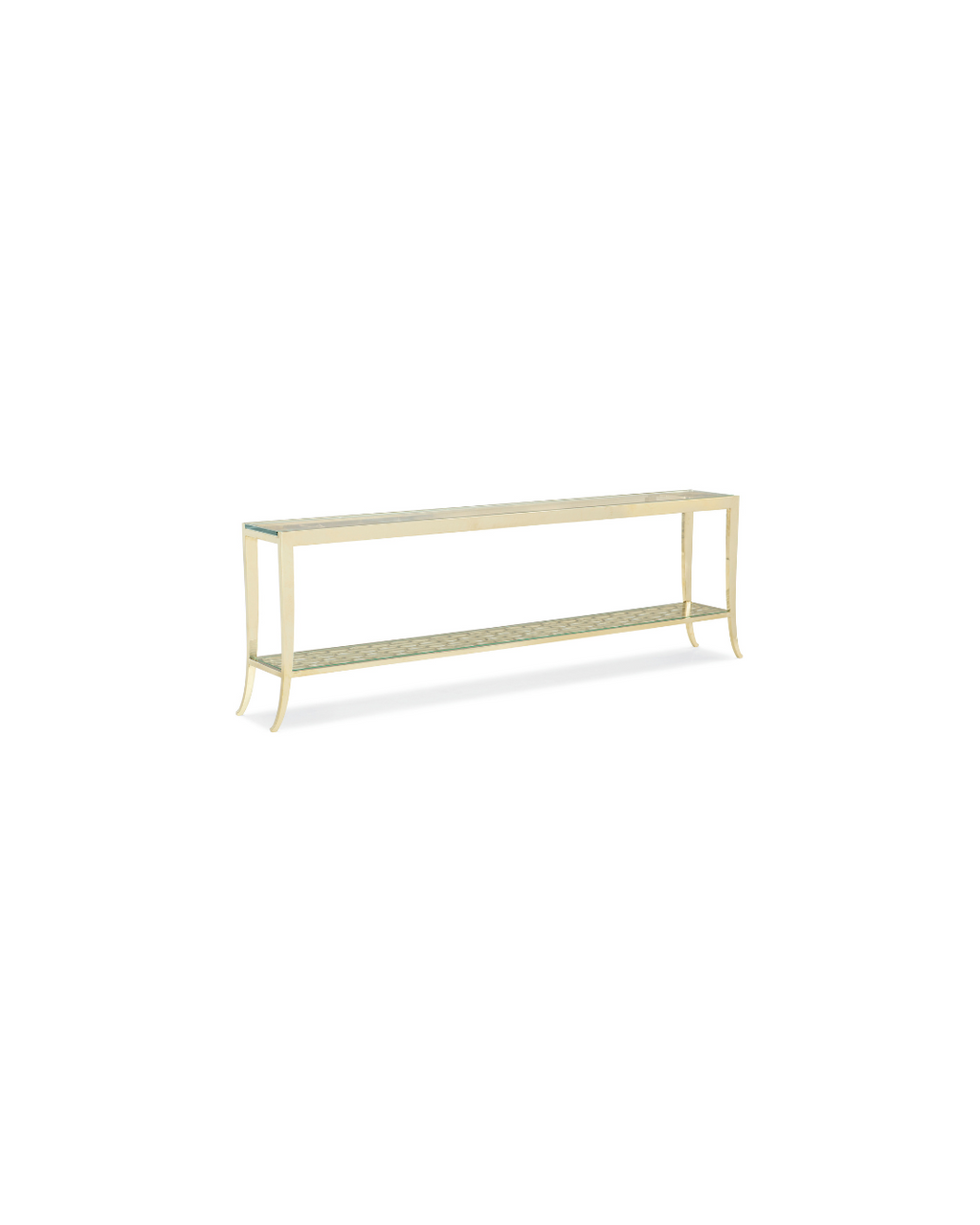
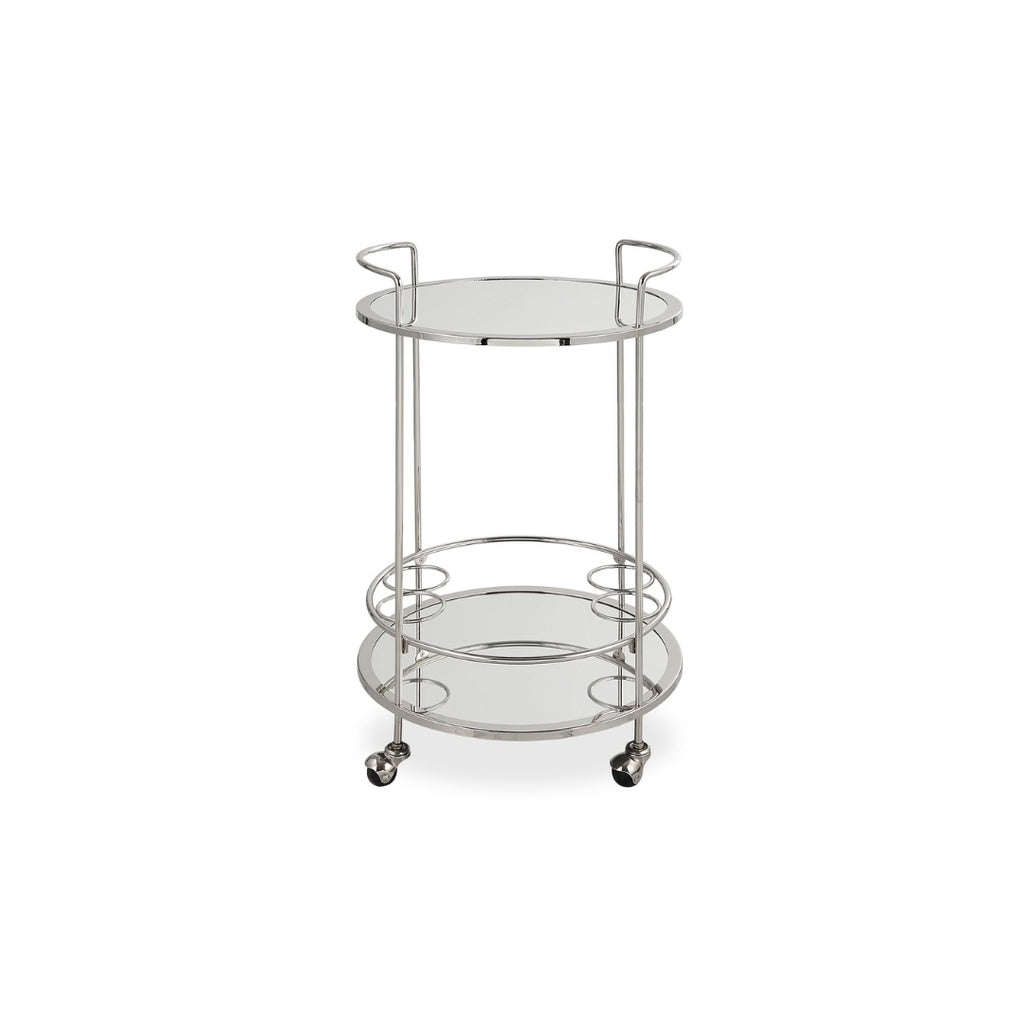
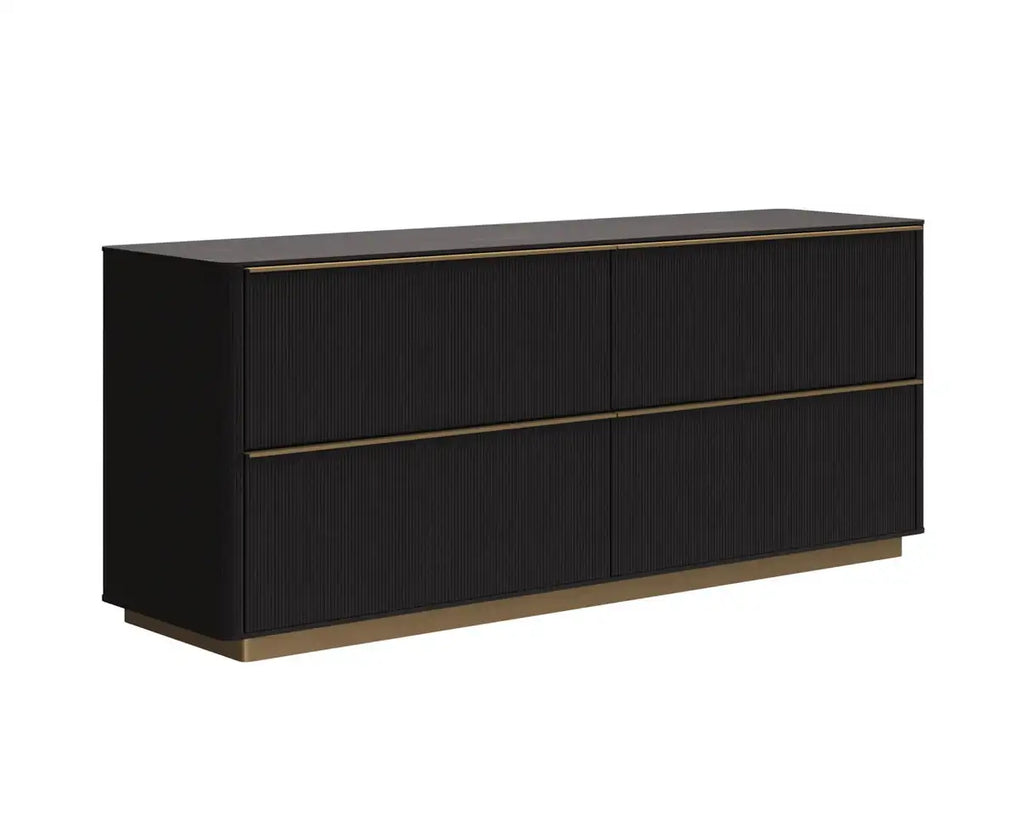
Cocoon Bedrooms and Multifunctional Suites
One of the most defining 2026 interior design trends is the transformation of the primary bedroom into a multifunctional retreat. Inspired by boutique hotel suites, bedrooms are evolving into escape spaces designed for rest, restoration, and quiet enjoyment.
Rather than serving a single purpose, bedrooms now include dedicated zones. A sleeping area may be complemented by a lounge chair, chaise, or small seating arrangement that encourages relaxation without screens or productivity. These bedroom lounges create reasons to stay, read, or unwind, particularly on weekends.
Separation within these spaces relies on furniture placement rather than walls. Upholstered seating, area rugs, and lighting define zones while preserving openness. The focus is on presence and comfort rather than efficiency.
Upholstered headboards play a central role in this trend. Generous proportions, tactile fabrics, and soft silhouettes reinforce the cocooning effect. Chaise lounges and accent chairs introduce secondary seating that supports quiet rituals like reading or reflection.
Layered seating enhances flexibility. A bedroom might include a bench at the foot of the bed, a lounge chair near a window, and plush textiles that soften acoustics. Together, these elements create a suite-like environment that feels intentional and restorative.
Cocoon bedrooms reflect a broader movement within luxury interior design. Furniture choices prioritize comfort, proportion, and longevity. This trend underscores the importance of investing in well-constructed pieces that support daily well-being rather than temporary visual appeal.
Curved Furniture and Soft Forms Defining Modern Interiors
Curved furniture is shaping modern interior design trends for 2026, marking a clear departure from sharp angles and rigid geometry. Interiors are becoming softer, more intuitive, and visually calming through organic forms that prioritize comfort and flow.
The Shift Toward Organic Silhouettes
- Rounded edges and soft silhouettes replace hard, angular lines
- Biomorphic forms inspired by nature reduce visual tension
- Spaces feel more fluid, balanced, and emotionally inviting
Curved sofas, rounded dining tables, and sculptural accent chairs encourage natural movement through a room. These shapes create harmony without strict symmetry and comfort without visual heaviness.
Human-Centered Design and Spatial Comfort
- Curved thresholds and softened joinery ease transitions between spaces
- Furniture feels approachable rather than imposing
- Visual harmony is paired with physical comfort
This approach reflects a broader move toward interiors that support how people live and move within their homes, rather than prioritizing strict architectural statements.
Sculptural Furniture as Function and Form
- Seating and tables serve both functional and compositional roles
- Sculptural pieces anchor rooms visually while remaining practical
- Thoughtful proportions prevent statement pieces from overpowering a space
Comfort and aesthetics coexist, reinforcing the idea that expressive design does not require sacrificing usability.
Materiality and the Importance of Touch
- Upholstery and natural fibers enhance the sensory experience
- Finishes invite interaction rather than distance
- Texture reinforces the softness of curved forms
Material choices amplify the emotional impact of curved furniture, making spaces feel warmer and more tactile.
Why Curves Work in Open-Concept Homes
- Improved spatial flow and circulation paths
- Rooms feel calmer and more cohesive
- Visual continuity supports multifunctional living
As part of the latest interior design trends, curved furniture represents a lasting shift toward balance, comfort, and human-scaled design rather than a passing stylistic moment.
Warm Color Palettes and the End of Cool Neutrals
Color plays a defining role in interior design trends for 2026. Cool grays and stark whites are being replaced by warm, earthy palettes that create depth and atmosphere. These colors are used not as accents, but as immersive design tools.
Earthy umber, terracotta, ochre, olive, and warm browns establish a grounded foundation. These tones connect interiors to nature while maintaining sophistication. Walnut finishes and warm wood hues reinforce this direction.
Jewel tones add richness when used selectively. Deep indigo, emerald, and rich pinks appear in drapery, accent walls, or upholstery. Rather than dominating a space, these colors create focal points within a cohesive palette.
Color-drenching becomes more refined. Closely related shades appear across walls, textiles, and furnishings to create enveloping environments. The effect is atmospheric rather than theatrical.
Mauve reemerges as a versatile neutral with personality. Its subtle warmth bridges classic and contemporary interiors, offering depth without overwhelming a room.
Industry forecasts support this movement. Paint manufacturers and color authorities highlight moody, grounded hues that align with wellness and longevity. These palettes emphasize comfort and emotional resonance over trend-driven novelty.
In luxury interior design, warm colors pair naturally with tactile materials and soft lighting. The result is interiors that feel calm, layered, and enduring. Color becomes a supporting element that enhances furniture and form rather than competing with them.
Colour Drenching and the New Neutral
Among the interior design trends defining 2026, colour drenching has emerged as the dominant technique — applying a single tone across walls, trim, and ceiling to create an immersive, grounded environment. Earthy matte finishes in warm browns, dusky greens, and chalky neutrals perform best. Undertones and finish shift under natural light in ways a swatch or screen cannot replicate. At Mobilart's 8260 Devonshire showroom, luxury interior design trends 2026 come to life across fully furnished, scaled room settings where colour, materials, and furniture work together.
Natural Materials and Tactile Finishes
Natural materials sit at the core of interior design trends for 2026. The focus is on authenticity and tactility, with finishes that express their origins rather than disguise them. Interiors are moving toward surfaces that feel honest, grounded, and enduring.
A Return to Authentic Wood Tones
Warm wood tones with visible grain are replacing gray-washed and artificial finishes. Walnut and other richly toned woods introduce depth and natural variation that synthetic alternatives cannot replicate. Over time, these materials develop patina, adding character rather than showing wear. The result is an interior language rooted in longevity and material integrity.
Textured Wall Finishes That Add Quiet Depth
Textured wall finishes such as limewash plaster and Venetian plaster bring subtle movement to interiors. Their irregular surfaces interact with light throughout the day, creating walls that feel layered, dimensional, and quietly expressive. Rather than striving for flat perfection, these finishes introduce softness and nuance that elevate the overall atmosphere of a space.
Hand-Woven Textiles and Natural Fibers
Hand-woven textiles and rugs introduce softness and variation, reinforcing the tactile quality of interiors. Upholstered pieces showcase the natural texture and weave of fibers, allowing materials to communicate their character through touch. Textiles become experiential elements, contributing to comfort and a more human-centered design approach.
Stone Surfaces with Honest Imperfection
Stone finishes such as travertine and marble are valued for their natural irregularities. Unpolished surfaces and raw edges celebrate authenticity, shifting the focus away from overly refined perfection. Stone is appreciated not for uniformity, but for its individuality and enduring sense of permanence.
Longevity, Sustainability, and Material Integrity
The return to natural materials aligns closely with sustainability. Durable finishes reduce the need for frequent replacement and improve with age rather than becoming dated. This approach reflects a broader shift away from trend cycling toward long-term value and responsible material choices.
Natural Materials in Luxury Interior Design
Within luxury interior design, natural materials signal quality, craftsmanship, and intention. They support furniture investments that remain relevant as styles evolve and form a foundational layer across multiple interior design trends. Rather than decorative additions, these materials anchor interiors in authenticity, ensuring spaces feel timeless, tactile, and deeply considered well beyond 2026.
Fabric as Structural Design Element
In 2026 interior design trends, fabric moves beyond decoration to become a structural element within interiors. Drapery and textiles are used to define space, control light, and provide flexibility without permanent construction.
Ceiling-mounted tracks allow fabric panels to replace walls and doors. These soft partitions create privacy when needed while maintaining openness and flow. Light passes through semi-sheer panels, adding softness and atmosphere.
Generously proportioned drapery installations add authority to a room. High-mounted curtains elongate walls and introduce movement. Patterned textiles with trim or tassels create expressive focal points without overwhelming the space.
Fabric dividers solve practical design challenges. They screen equipment, define zones, and adapt to changing needs. Unlike fixed architecture, they respond to how a space is used over time.
This approach reflects a broader trend toward adaptable interiors. Rather than committing to rigid layouts, homeowners choose flexible solutions that evolve with their lifestyles.
As part of the latest interior design trends, fabric as structure supports comfort, personalization, and visual softness. It reinforces the idea that interiors should respond to real living rather than impose limitations.
Art Deco and Modern Glamour Making a Comeback
Art Deco influences return in 2026 with a refined, contemporary interpretation. Rather than replicating ornate historical styles, designers embrace geometric patterns and expressive materials through a modern lens.
Velvet upholstery in jewel tones introduces richness and depth. Sculptural furniture pieces reference Deco geometry while maintaining clean lines. The result feels confident rather than nostalgic.
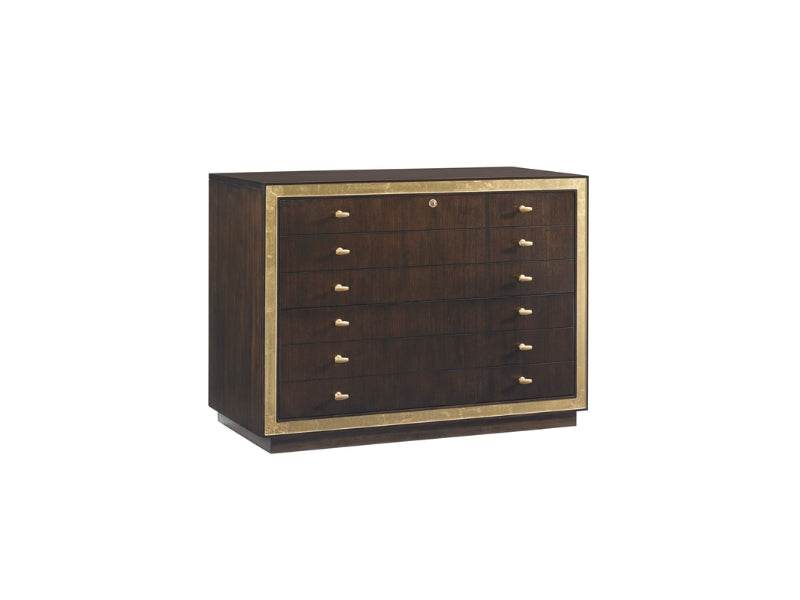
Polished finishes such as lacquer and high-gloss surfaces add subtle shimmer. Brass, gold, and brushed bronze hardware replace matte black, introducing warmth and contrast.
This modern glamour appeals to homeowners seeking visual richness without excess. The emphasis is on balance between form and function, where expressive details enhance usability rather than distract from it.
Within luxury interior design, neo-deco elements offer a way to introduce personality and confidence. When paired with warm palettes and tactile materials, they contribute to interiors that feel layered and intentional.
Layered, Lived-In Design and Personal Collections
Layering defines many interior design trends for 2026. Spaces are designed to feel collected over time rather than assembled all at once. This approach values personal storytelling over strict adherence to style rules.
Mixed patterns, materials, and eras coexist within a cohesive framework. Florals, plaids, and stripes appear together through careful scale and color coordination. Visual coherence comes from restraint and editing rather than uniformity.
Antiques and vintage pieces sit comfortably alongside contemporary furniture. The contrast adds depth and authenticity. Personal collections become focal points that reflect lived experience.
This narrative approach requires intention. Editing remains essential. Each piece contributes to the story rather than competing for attention.
Layered design aligns with luxury interior design principles. High-quality foundation pieces provide stability, allowing accents and accessories to evolve. The result is a space that feels personal, adaptable, and complete.
Handcrafted Elements and Artisanal Details
Handcrafted elements gain prominence as markers of authenticity in 2026 interior design trends. Visible craft marks signal care, intention, and human involvement.
Brushstrokes, uneven finishes, and freehand motifs are celebrated rather than corrected. Artisanal ceramics, hand-thrown pottery, and sculptural accents introduce individuality.
Asymmetric design elements replace uniformity. Imperfection becomes a feature that adds character and depth. These details create spaces that feel meaningful rather than manufactured.
This appreciation connects directly to sustainability. Handmade pieces oppose the disposability of fast furniture. They are designed to last and to be valued over time.
In luxury interior design, artisanal details justify premium pricing through durability and uniqueness. They transform interiors into environments that reflect care and craftsmanship.
How Do 2026 Interior Design Trends Apply to Your Home?
Many interior design trends for 2026 favor timelessness over novelty. Curved silhouettes, warm woods, and natural materials remain relevant beyond a single season when executed through quality construction.
Luxury furniture aligns naturally with these trends. Well-made upholstered pieces support cocoon bedrooms and comfort-first living. Durable fabrics and solid frames justify long-term investment.
Handcrafted details and artisanal finishes contribute to longevity. These elements are not mass-produced, which adds value and distinction. They age gracefully rather than becoming dated.
Layered design trends require versatile foundation pieces. A quality sofa or dining table works across styles, supporting eclectic additions without losing coherence.
Color flexibility also matters. Neutral-toned luxury furniture allows wall colors, textiles, and accessories to evolve as trends change. This adaptability protects the investment over time.
As homes prioritize wellness and recovery, furniture quality directly affects physical and mental comfort. Thoughtful design choices support daily living rather than temporary aesthetics.
Understanding how trends translate into furniture decisions allows homeowners to invest with confidence, choosing pieces that remain relevant as interior design trends continue to evolve.
Smart Lighting and Adaptive Fixtures
Lighting becomes an adaptive design element in 2026 interior design trends. Rather than static illumination, fixtures respond to time of day, mood, and activity.
Modular and smart lighting systems adjust color temperature automatically. Cooler light supports focus in the morning, while warmer tones encourage relaxation in the evening.
This evolution supports wellness by aligning with circadian rhythms. Lighting becomes part of a holistic interior experience rather than a technical afterthought.
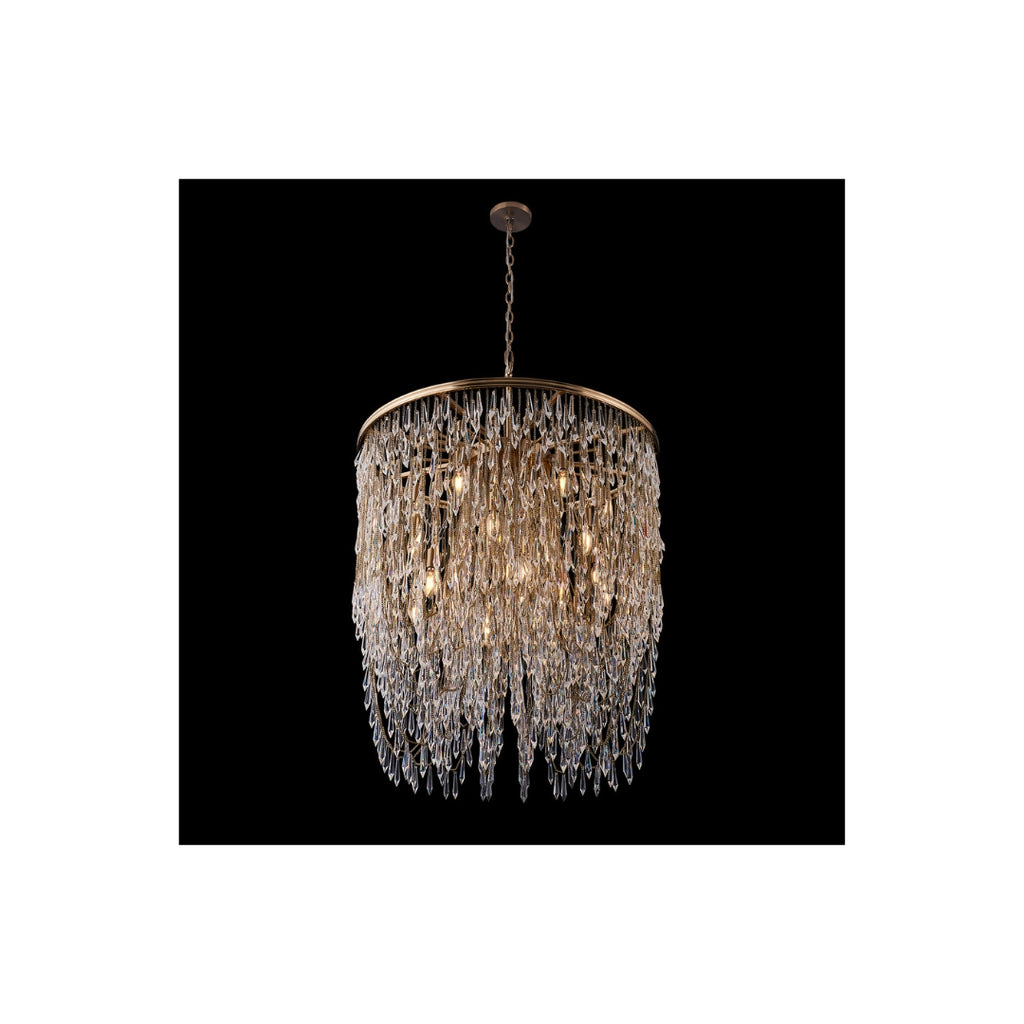
Fixtures themselves are sculptural. Statement lighting acts as art while integrating seamlessly into the overall design. Technology remains discreet and intuitive.
The emphasis is not on novelty, but on enhancing atmosphere. Lighting complements materials, colors, and furniture to create cohesive environments.
Luxury Furniture Insights: Distinguished Brands Curated by Mobilart
Mobilart’s approach to luxury furniture is defined by curation rather than quantity. The brands represented reflect a shared commitment to craftsmanship, material integrity, and enduring design. Together, they offer a broad yet cohesive perspective on luxury interior design, spanning classic forms, contemporary expressions, and artisanal detailing.
Caracole: Contemporary Luxury with Artistic Expression
Caracole is recognized for its refined, fashion-forward approach to furniture design. Sculptural silhouettes, expressive finishes, and thoughtful detailing define the brand’s aesthetic. Within the context of 2026 interior design trends, Caracole’s emphasis on curved forms and rich materials aligns naturally with the move toward softness, tactility, and visual depth.
Bernhardt and Baker: Timeless Design and Material Integrity
Bernhardt and Baker represent a heritage-driven perspective on luxury furniture. Their collections emphasize proportion, craftsmanship, and long-term relevance rather than trend-led statements. These brands support interiors built on foundational pieces that adapt seamlessly to evolving design trends, including warm palettes, layered materials, and lived-in elegance.
Vanguard and Hickory White: Customization and Comfort-Forward Living
Vanguard and Hickory White are known for their focus on comfort, flexibility, and tailored design. Upholstered seating, adaptable configurations, and refined finishes make these brands particularly relevant to trends such as cocoon bedrooms and multifunctional living spaces. Their offerings support interiors designed for daily use without sacrificing sophistication.
Lillian August and Lexington: Relaxed Luxury and Layered Interiors
Lillian August and Lexington bring a relaxed, curated sensibility to luxury interiors. Their collections blend classic influences with contemporary ease, making them well-suited to layered, lived-in design approaches. These brands support spaces that feel collected over time, balancing refinement with approachability.
Sherrill, Taylor King, and Hancock & Moore: Upholstery Craftsmanship
Sherrill, Taylor King, and Hancock & Moore are recognized for their expertise in upholstered furniture. Attention to construction, comfort, and material selection makes these brands integral to interiors, prioritizing wellness and long-term comfort. Their seating solutions align with trends favoring soft forms, tactile finishes, and human-centered design.
Maitland Smith, Global Views, and Theodore Alexander: Statement and Artisanal Detail
For clients seeking expressive accents and sculptural presence, Maitland Smith, Global Views, and Theodore Alexander offer distinctive perspectives. Decorative objects, case goods, and accent furniture from these brands introduce artisanal detail and visual richness, supporting trends centered on handcrafted elements and personal storytelling.
Marshall Mattress and Jaipur Rugs: Foundational Comfort and Texture
Marshall Mattress and Jaipur Rugs contribute essential layers to luxury interiors. Mattresses focused on comfort and craftsmanship support wellness-driven bedroom design, while hand-crafted rugs add texture, warmth, and grounding to living spaces. Both brands reinforce the importance of tactility and material authenticity.
A Curated Brand Ecosystem
Rather than presenting isolated collections, Mobilart curates these brands as part of a cohesive design ecosystem. Each contributes a distinct strength, whether through upholstery, wood craftsmanship, decorative artistry, or comfort engineering. Together, they support interiors that reflect the core themes shaping luxury interior design in 2026: warmth, longevity, material honesty, and personal expression