













OCTOBER , 2026
Master bedroom furniture comes together best when you start with the bed and build outward. This guide walks a Montreal homeowner through the full sequence, anchor pieces, storage, seating, finishes, and lighting, so the room reads as one coordinated space rather than a collection of pieces gathered one purchase at a time.
Layout planning starts with the bed, since it anchors every other decision for bedroom furniture Montreal homeowners consider. Center it on the main wall with clearance on both sides to set the framework for nightstands, a dresser, and any seating. Confirm walkway space around the bed before selecting pieces, since roughly two feet of clearance on each side keeps the finished room comfortable rather than overcrowded once everything is in place and the room begins to take shape.
The bed sets the tone for master bedroom furniture as a whole, so it deserves the first decision. Bed height matters most where it meets nearby nightstands, since reaching for a glass or phone should feel natural rather than awkward. Upholstered headboards add softness and give the room a clear focal point, while platform frames offer a cleaner, lower profile that suits rooms already rich in other furnishings and detail, keeping the overall composition from feeling visually heavy.
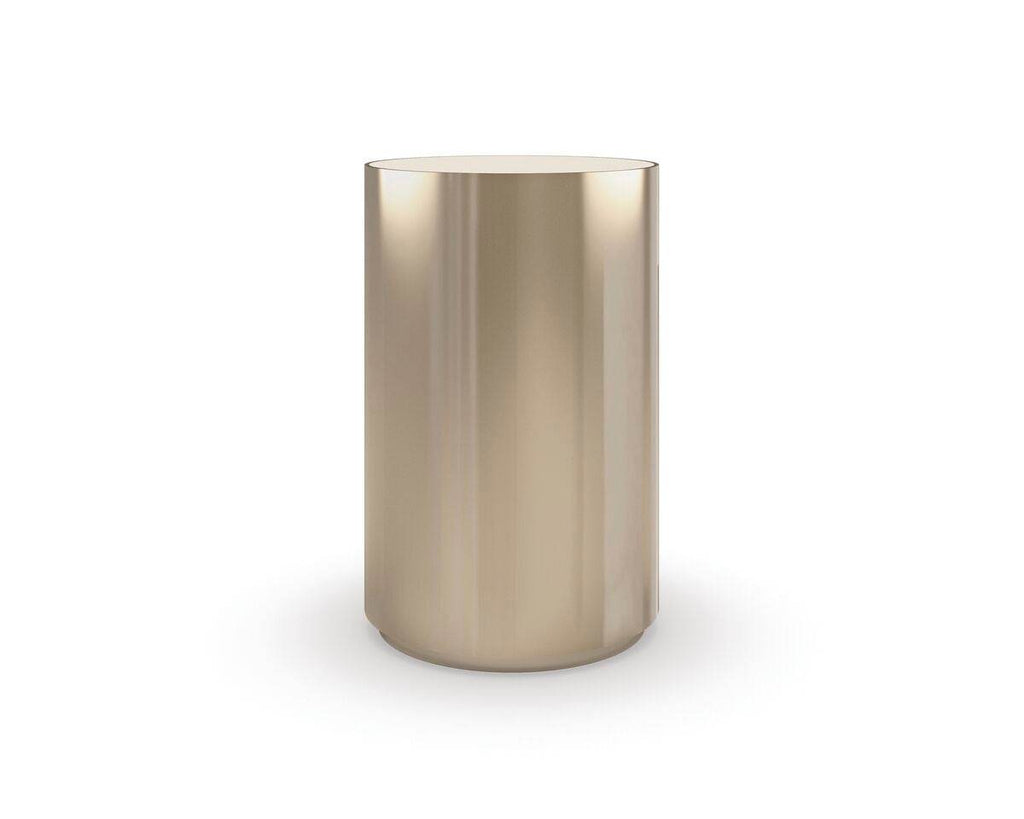
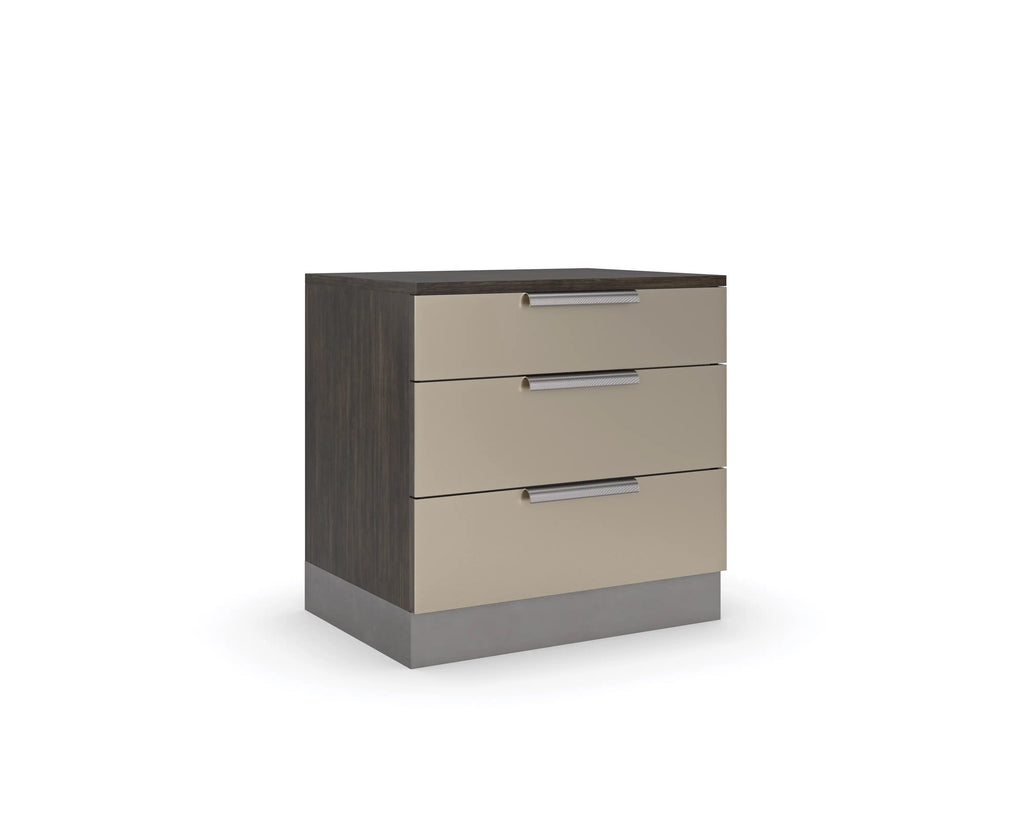
Nightstands should sit close to mattress height so their surfaces feel usable rather than awkward to reach from bed. Getting that proportion right makes everyday habits easier and keeps the pieces looking intentional beside the bed. A matched pair on either side of the bed creates the visual balance and symmetry favored in most master bedrooms. Where space is tight, a single nightstand paired with a wall sconce keeps the layout functional without crowding the room or sacrificing usable surface.
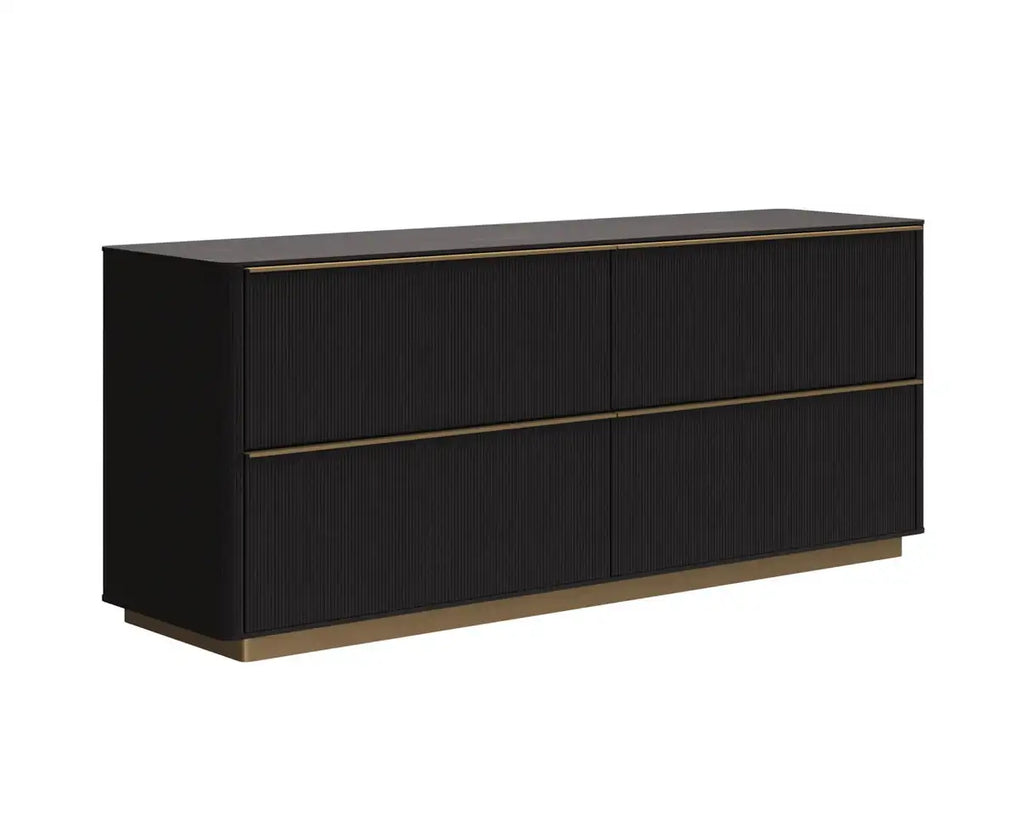
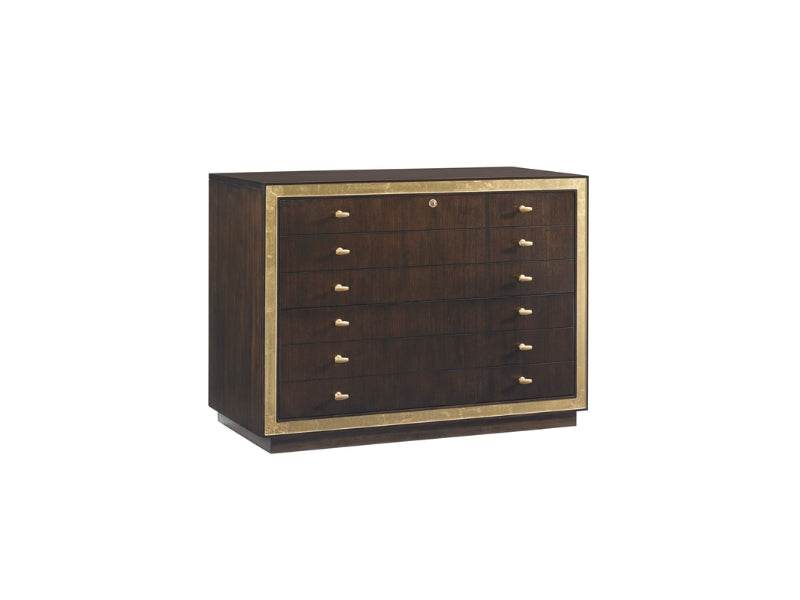
A six-drawer dresser suits most wardrobes, while a nine-drawer option gives storage capacity for larger collections. Match the drawer count to what you actually own rather than the wall you need to fill, since an oversized piece can overwhelm the room. Placement typically falls on the wall opposite the bed or along an available run of wall space. A chest of drawers can supplement a dresser in rooms needing more storage without the bulk of a single larger piece.
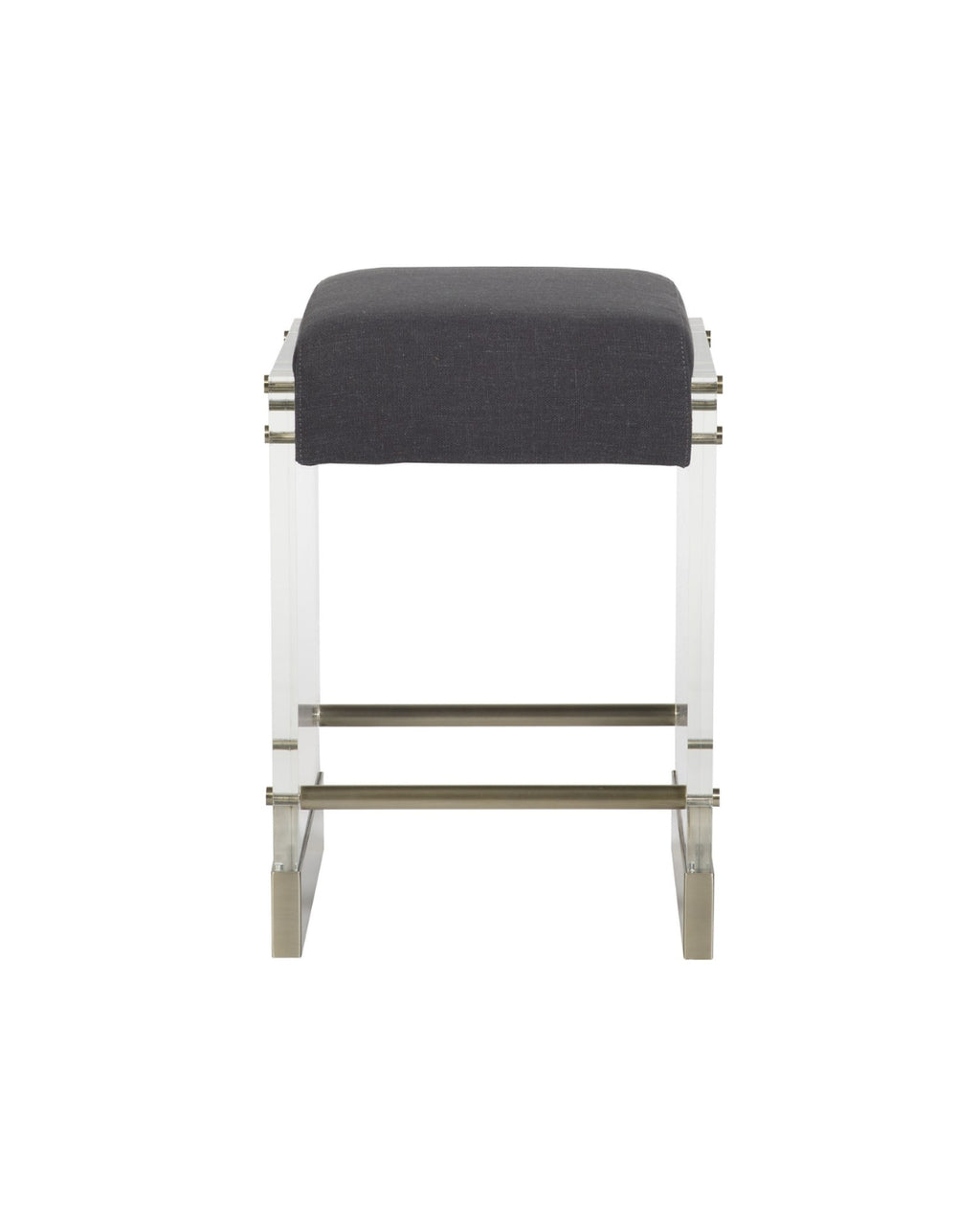
A bench at the foot of the bed adds a practical landing spot for bags, folded throws, or the next morning's clothes. It reads as intentional while staying quietly useful, and it defines the end of the bed within the room. An accent chair paired with a small side table can create a reading corner in rooms with enough floor space. Neither piece is essential, but both add function without disrupting the room's primary layout or its sense of calm.
Matching nightstand and dresser materials creates a pulled-together look that reads as considered. Mixing finishes can still work if you keep them within a consistent temperature, either warm wood tones or cool metals throughout the room, so nothing feels accidental. Hardware finish, such as brass or matte black, is worth coordinating across pieces even when the wood tones themselves vary slightly. That shared metal thread ties otherwise different pieces into one considered composition that feels deliberate rather than assembled at random.
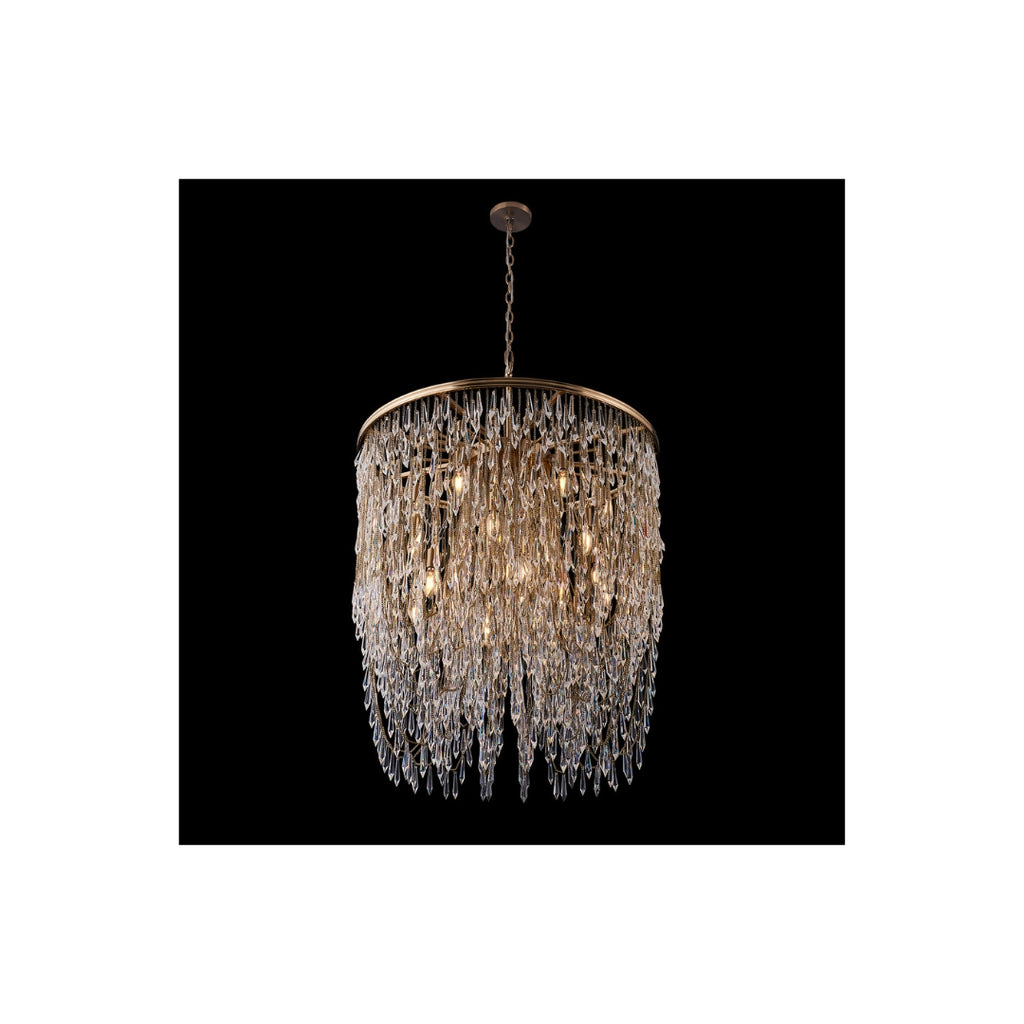
Layered lighting matters most here. Ceiling fixtures, table lamps, and sconces together give control over both mood and function, letting a bright morning routine soften into evening calm. A mirror above the dresser bounces light and adds depth, and thoughtful mirror placement does similar work in tighter layouts when leaned against a wall. Fixture scale should match the room, generous in larger spaces and restrained in smaller ones. Bedroom lighting and mirrors deserve early attention rather than a final afterthought.
Mobilart has curated fine furniture for over 40 years, a family legacy since 1932. The showroom, spanning over 25,000 sq ft at 8260 Devonshire, Mont-Royal, displays beds, nightstands, and dressers in fully furnished settings where finish and scale become easy to judge. A complimentary design consultation helps coordinate pieces across the room, and [white-glove delivery](/pages/white-glove-delivery-service) is complimentary within a 60 KM radius across Canada, with a fee beyond that distance. Visit the Mont-Royal showroom to experience the pieces in person.
A bedroom reads as more considered when built as one coordinated bedroom set rather than assembled piece by piece over months. A coordinated collection from a single source keeps finish, proportion, and scale consistent from the start, sparing you the guesswork of matching later additions. Seeing pieces together in person, rather than judging finish and scale from separate photos, makes it far easier to confirm they read as one composition once installed in the room and lit by its own light.
Crisp, breathable linens in cotton or linen create a clean base layer that keeps the bed feeling fresh through Montreal's warmer months. A plush duvet adds warmth and texture on top, while accent pillows introduce color or pattern without overwhelming the room or competing with the furniture. Layering bedding thoughtfully softens the more structural furniture pieces and ties the finished room together visually, giving the eye somewhere gentle to rest after the harder lines of the bed and dresser.
Furnishing full bedroom furniture sets all at once is not always necessary. Starting with the bed and nightstands, then adding a dresser and seating in a second phase, spreads both cost and decision making over time without leaving the room feeling unfinished. Planning the full layout upfront, even when purchased in stages, keeps later additions consistent with the original vision. A clear furnishing timeline and phased approach protect the room's cohesion as pieces arrive across weeks or months.
Furnishing master bedroom furniture well comes down to sequencing: bed first, then nightstands, storage, and finally seating and lighting. Treating the room as one coordinated composition rather than a set of separate purchases produces a calmer, more finished result. Working through layout, scale, and finish in that order gives a Montreal bedroom lasting cohesion, whether the pieces arrive together or over several phases as budget and timing allow, and keeps the finished room feeling intentional from every angle.
A rug large enough to extend at least a foot beyond the sides of the bed frame tends to anchor the room best without looking undersized. Alternatively, one that fits fully under the bed and nightstands works equally well and reads as generous. Both options keep the rug in proportion with the scale of master bedroom furniture, and both give bare feet a soft landing on either side of the bed each morning, warming the floor underfoot in every season.
Curtain length and hardware placement can limit where a dresser or bench sits along a wall. Floor-length drapery, for example, needs clearance that a taller piece may interrupt or block awkwardly. Confirming window treatment plans before finalizing furniture placement avoids conflicts between drapery hardware and furniture height. For bedroom furniture Montreal homeowners are arranging, settling curtains early keeps the wall runs predictable and prevents last-minute rearranging once everything is delivered and the room is nearly complete.
Artwork scaled to roughly two thirds the width of the headboard or dresser below it tends to read as intentional rather than accidental. That proportion keeps the piece anchored to the furniture beneath it instead of floating awkwardly above. Framing that echoes the metal tone of hardware elsewhere in the room ties the composition together, so a bedroom furniture set and its art feel like part of one deliberate scheme rather than separate choices made at different times.
Seasonal humidity swings common in Montreal can cause solid wood drawers to expand or contract slightly, which sometimes makes a bedroom dresser and nightstand feel stiffer to open in certain months. Keeping furniture away from direct radiator heat and using a humidifier during dry winter months helps minimize that movement over time. Well-built pieces accommodate this natural shift, keeping drawers gliding smoothly year round and preserving both the look and the function of the wood for many years.
A queen bed generally suits rooms starting around ten by ten feet, leaving room for nightstands and comfortable movement around the bed. A king benefits from at least twelve by twelve feet to leave clearance for nightstands and walking space on both sides. Confirming these dimensions before choosing master bedroom furniture prevents an oversized bed from crowding the room and keeps the finished layout feeling open rather than tight, however tempting a larger bed might be.
Taller ceilings can support a higher headboard or four-poster style without feeling top-heavy, filling the vertical space in a way that suits the room's proportions. Lower ceilings generally suit a platform bed or low-profile headboard to keep the room feeling balanced rather than compressed. Matching bed and headboard scale to ceiling height helps master bedroom furniture sit comfortably within the space instead of fighting it, letting the whole composition feel settled and proportioned throughout the room.
This website uses cookies to ensure you get the best experience on our website.