













AUGUST , 2026
Mobilart has spent over 40 years curating pieces that embody quiet luxury bedroom design, an approach defined not by what is added but by what is chosen with absolute care. This piece explores how colour, craftsmanship, editorial restraint, texture layering, and bedside discipline create a room that feels calm on entering and quietly assured throughout.
Quiet luxury in the bedroom is the choice of a room that reveals its quality through texture, proportion, and craftsmanship rather than ornament or trend-driven decoration. Every element is selected for its intrinsic quality and its contribution to a composed, restful whole. The aesthetic is not austere. It is warm, tactile, and lived-in while remaining impeccably considered, defined as much by what has been removed as by what remains. Each piece carries real weight, and the room rewards close attention.
The quiet luxury bedroom begins with a neutral bedroom colour palette of soft creams, warm whites, dove greys, and gentle taupes that create visual calm. The palette is tonal rather than flat. Varying tints and values across walls, bedding, and upholstery create monochromatic depth without disruption. Consider how natural light moves through the room across the day, since the best tonal spaces shift subtly from morning to evening. One slightly deeper note in a throw or headboard adds presence without breaking the register.
The bed frame is the room's single most expressive design object. In a quiet luxury bedroom, it earns authority through silhouette, proportion, and material quality rather than scale or decoration. A low-profile platform frame or a cleanly lined upholstered headboard in linen reads as quietly confident where an ornate alternative does not. Wood elements such as a dresser, nightstand, or bench contribute most when their grain, tone, and finish belong to the room's material palette. Joinery visible only on close inspection is the true quality marker here.
Quiet luxury begins with thoughtful editing. The bedroom that feels most refined is almost always the one from which the most has been removed. The nightstand is where this discipline is most visible. A well-chosen lamp, a single small object of meaning, and a book are sufficient, and anything more creates visual noise in a room designed for rest. Dresser surfaces follow the same logic. The space between objects is as deliberate as the objects themselves, and a clear surface is a design decision, not an oversight.
Without bold colour or pattern as expressive tools, texture carries the full weight of richness in a quiet luxury bedroom. Layering linen bedding beneath a cashmere throw, anchoring the bed on a hand-knotted wool rug, and upholstering a bench in bouclé creates sensory depth entirely within a tonal palette. Each material should be chosen for how it feels as much as how it looks. Window treatments in a natural fabric should fall to the floor. The layering must feel composed, each addition justified by the whole.
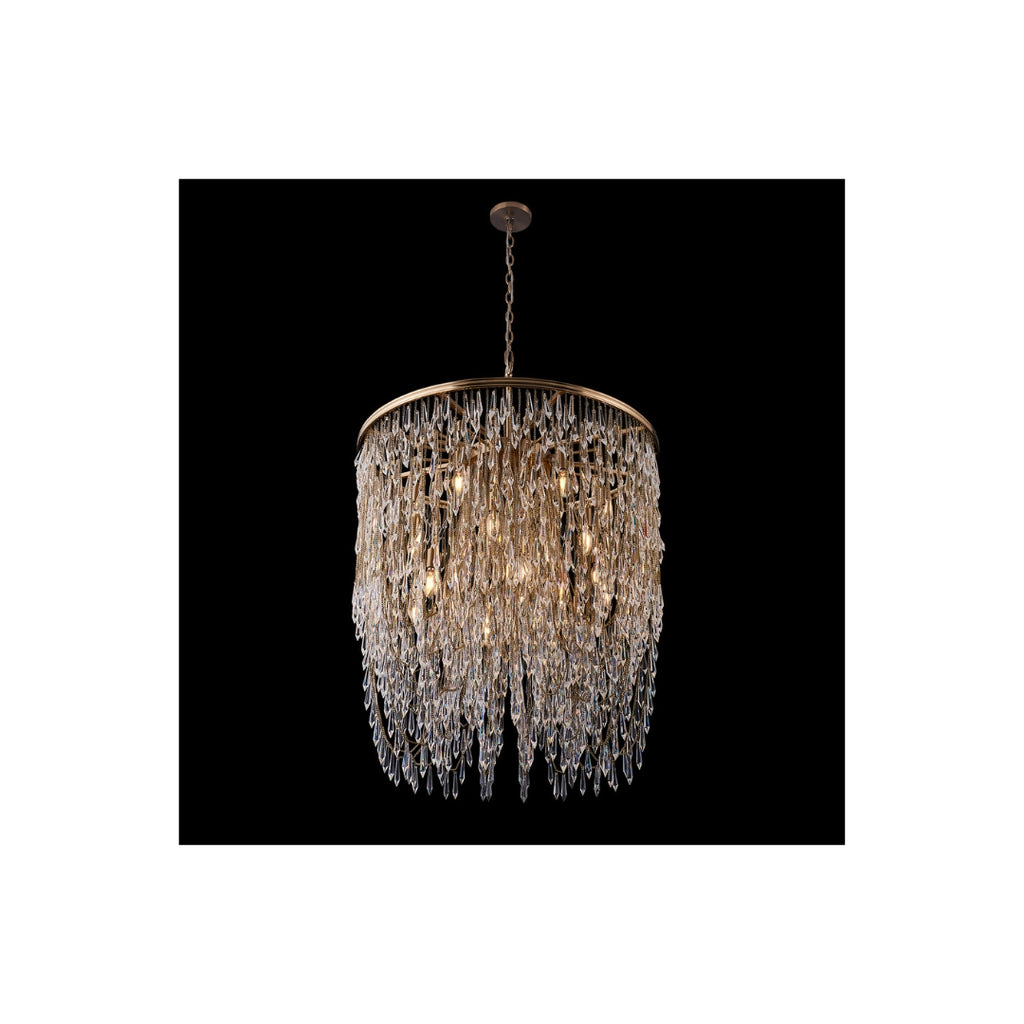
Lighting in a quiet luxury bedroom is never a single overhead source. It is a composed, layered plan that supports both daytime use and the transition into rest. Bedside lamps or wall-mounted sconces at reading height provide task lighting without disturbing the tonal atmosphere. All bedroom lighting should sit on dimmers, since lowering the light level is the most effective tool for creating calm. Warm light temperatures, soft whites and ambers rather than cool whites, make natural materials read richer, and the room feel more intimate.
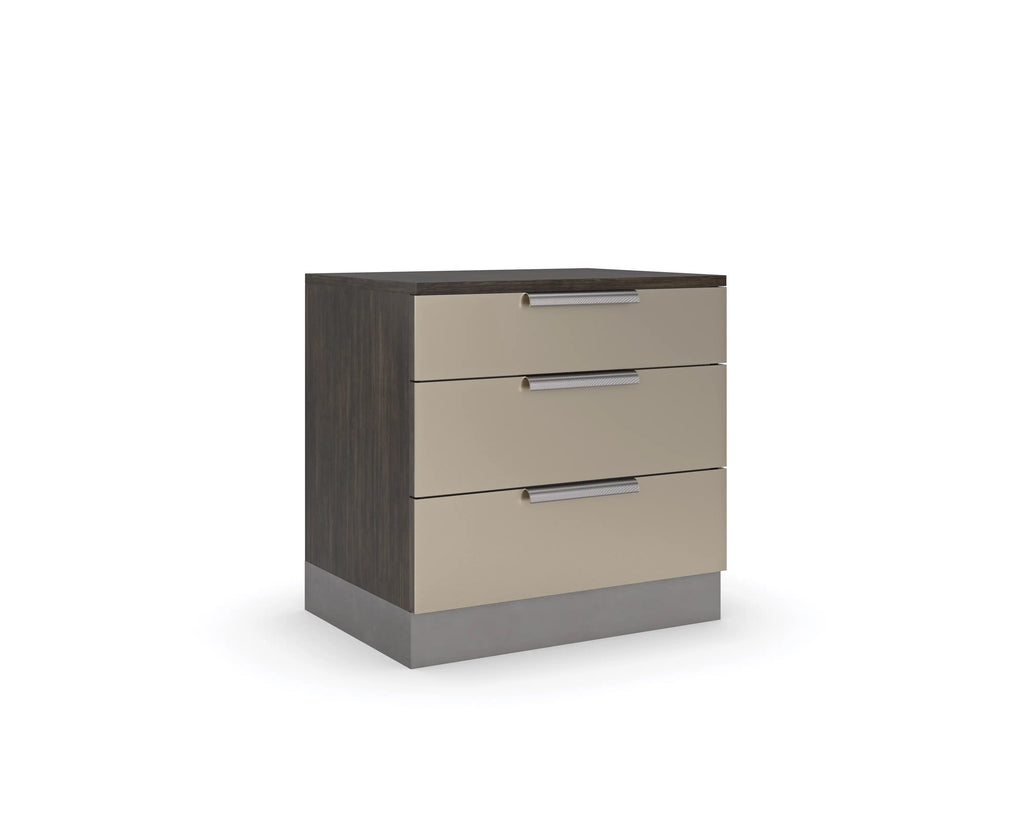
The bedside table is one of the most closely observed surfaces in a bedroom, visible from the bed and the room's entrance. Choose a nightstand with clean lines and a single functional drawer, so storage keeps the visual top clear without sacrificing practicality. A lamp chosen for the quality of its base material, ceramic, turned wood, or stone, contributes as a design object rather than merely a light source. Add one small object of genuine quality, a narrow vase or a ceramic bowl. Nothing else.
Mobilart has curated bedroom furniture with the same values of material quality, craftsmanship, and timeless design described throughout this article for over 40 years. The over 25,000 sq ft showroom at 8260 Devonshire, Mont-Royal, allows visitors to experience how bed frames, dressers, and accent pieces relate in person, how materials feel, how scale reads, and how pieces compose together. Complimentary design consultations are available, and our design professionals guide selection based on room dimensions, palette direction, and long-term material fit.
Floor-to-ceiling curtains hung from the ceiling line, rather than immediately above the window, create a sense of height and enclosure that defines the room's entire atmosphere. Fabric quality is immediately legible in how the panel drapes. Linen, a silk blend, or a fine wool falls with a softness synthetic alternatives cannot replicate. Hardware matters as much as fabric, so rod and finial finishes should match the room's other metals, whether brushed brass or matte black.
Natural materials in the bedroom communicate a quality of life as much as a quality of design. They are what the room feels like as well as what it looks like. The grain variation in a solid wood dresser, the cool smoothness of a stone lamp base, and the slight texture of woven linen are each experiences, not only visual choices. These materials age with character, becoming more interesting over years of use. Synthetic alternatives are immediately distinguishable in person.
A quiet luxury bedroom is not assembled from individually excellent pieces. It is a room in which every element has been considered in relation to every other. The tonal palette, material vocabulary, lighting plan, and scale of each piece should speak a consistent language throughout the space. When all elements share the same register, tonally, materially, and proportionally, the room settles into composed harmony that requires no explanation. Cohesion is built slowly.
A quiet luxury bedroom is not the result of a single purchase. It is the cumulative effect of consistent, disciplined choices made at every layer of the room. Colour foundation, craftsmanship, editorial discipline, textural layering, and cohesion work together, and weakening any one leaves the room without its composed refinement. When these principles align, the quiet luxury bedroom holds its quality across years. Explore how these ideas take shape in person, and let each choice reflect care rather than accumulation.
Quiet luxury in interior design is an approach that prioritizes understated elegance, high-quality materials, and craftsmanship over conspicuous branding, trend-driven decoration, or bold visual statements. It is defined by a neutral tonal palette, timeless silhouettes, layered natural textures, and a deliberate reduction in the number of objects in the space. The style values the intrinsic quality and feel of each element over its visual prominence or recognisability. A quiet luxury room communicates sophistication through restraint and through the quality of what remains.
Begin by editing. Remove anything that does not contribute genuine quality, function, or design value to the room. Invest in the bed frame and bedding before any other element, since these are what the eye returns to and what the body interacts with most, and their quality is immediately legible. Keep nightstand and dresser surfaces intentionally clear, because surface restraint reads as significantly more expensive than decoration. Layered textures within a tonal colour palette enhance a sense of luxury.
The quiet luxury bedroom is built on soft creams, warm whites, dove greys, and gentle taupes layered to create tonal depth without contrast. Warmth in the palette is important, since cool blue-whites and stark greys tend toward the clinical rather than the refined in a bedroom context. Colour consistency across walls, bedding, upholstery, and floor covering is as important as the specific tones chosen, because cohesion reads as considered.
Quiet luxury and minimalism share a commitment to editing and restraint but differ fundamentally in their relationship to warmth, texture, and comfort. Minimalism tends toward the cool, the sparse, and the deliberately empty. Quiet luxury pursues tactile richness, layered softness, and a sense of composed ease within its restraint. A quiet luxury bedroom feels deeply inhabited and personally curated, while a purely minimalist bedroom can feel impersonal when taken to its logical conclusion. The difference is most visible in textiles.
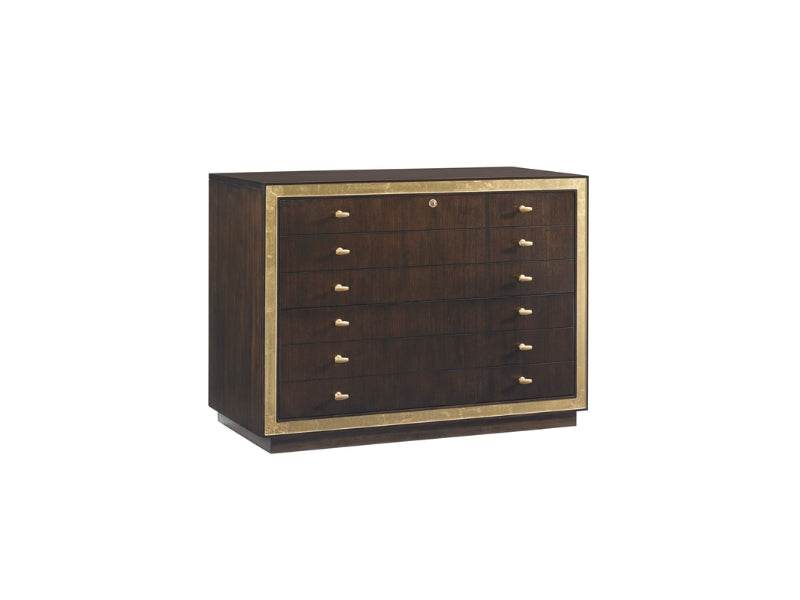
The bed frame is the primary investment. A low-profile platform or a cleanly lined upholstered headboard in linen or a refined fabric anchors the room with authority and restraint. A dresser in a warm wood tone or a painted finish that harmonizes with the palette provides necessary storage while contributing to the room's material story. Nightstands with clean lines and a single drawer keep surface discipline achievable in daily use.
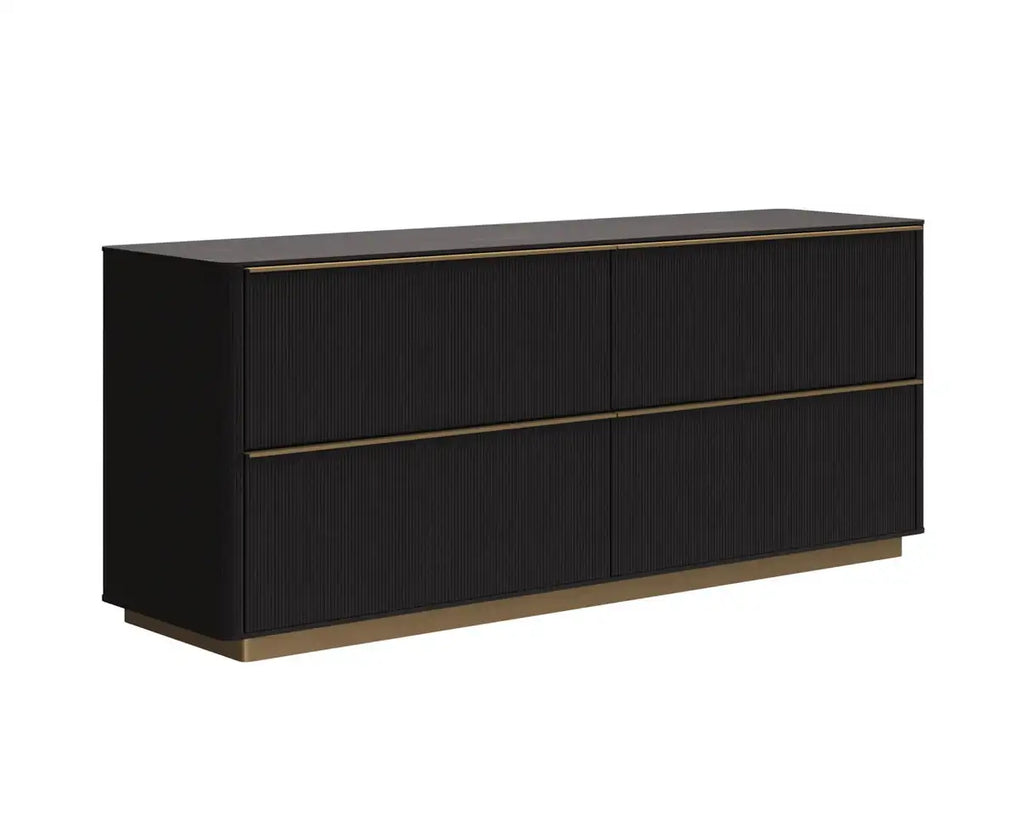
Style a dresser surface with the same editorial discipline applied to the rest of the room, keeping to three to five objects maximum, each chosen for its quality and its relationship to the palette. A tray in a natural material such as stone, lacquered wood, or a refined ceramic corrals smaller objects and gives the surface a sense of intentional composition. A single lamp, a small object of personal meaning, and one living element such as a narrow stem in a vessel are sufficient.
This website uses cookies to ensure you get the best experience on our website.