A Tonal Colour Foundation
The quiet luxury living room begins with a neutral living room colour palette of warm whites, layered creams, greiges, and soft taupes that create a rhythm of calm rather than contrast. The palette is tonal, not monochromatic, so subtle shifts in warmth and value across walls, floor, and upholstery give depth without disruption. Colour cohesion throughout the space reads as curated and intentional, letting texture and finish do the work while a single deeper accent adds presence without breaking the register.
Craftsmanship as the Statement
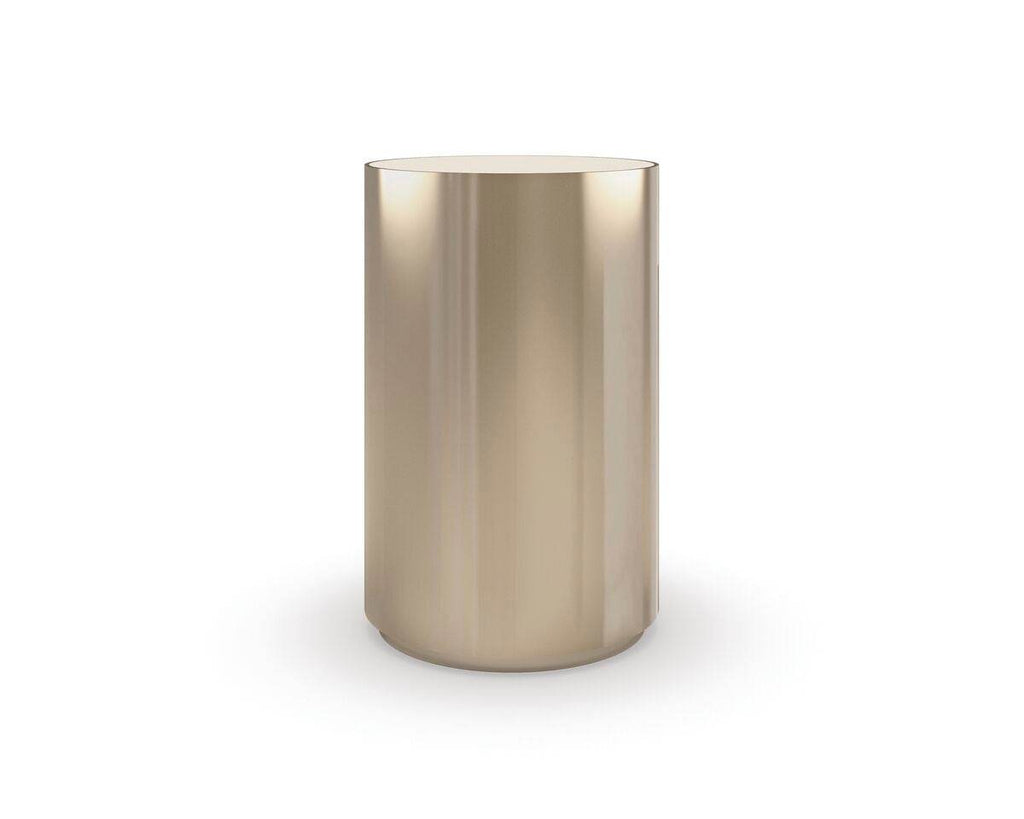
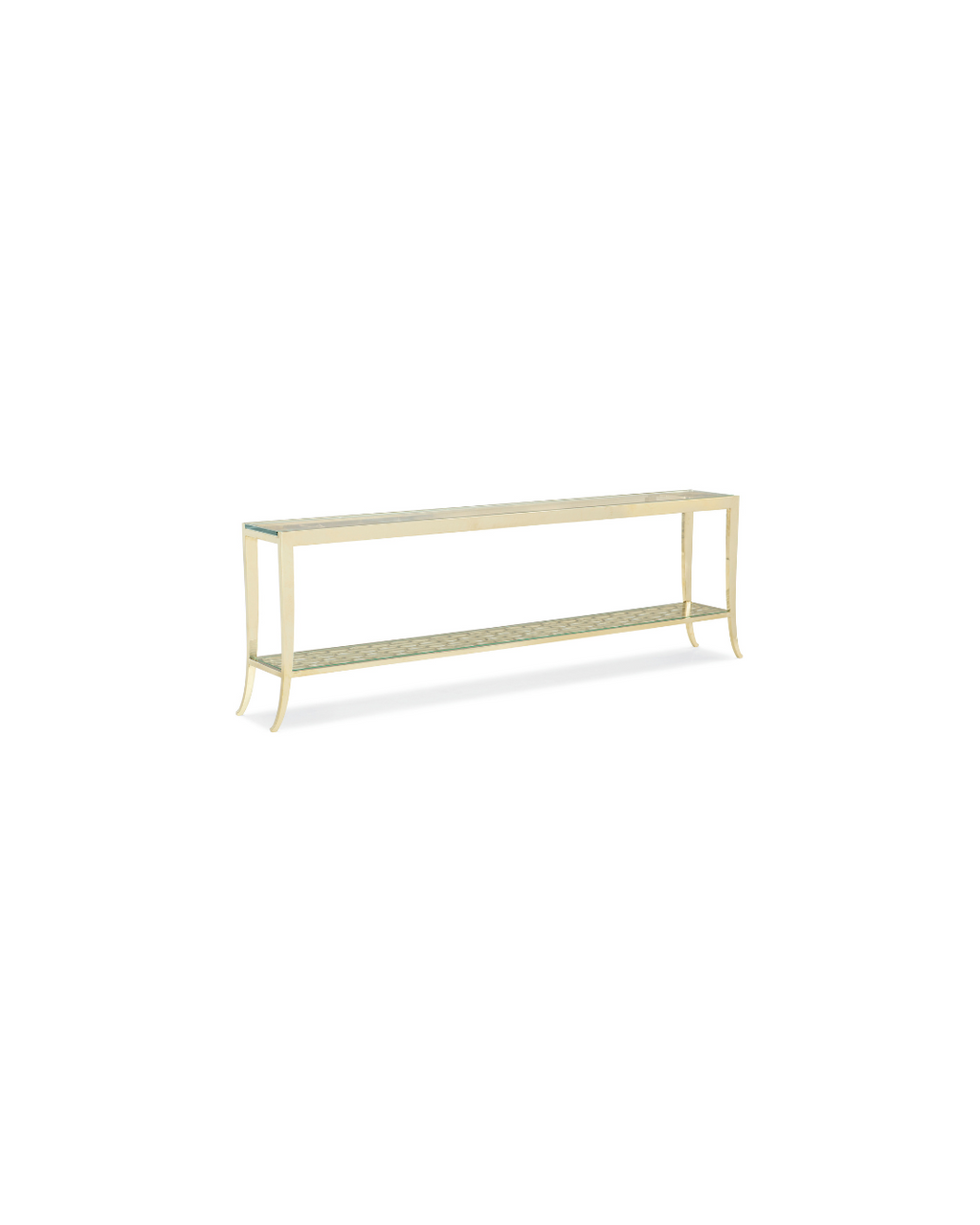
In a quiet luxury living room, the sofa and lounge chair earn attention through silhouette, proportion, and upholstery quality rather than colour or pattern. Upholstery in Belgian linen, velvet, or refined bouclé reads as quietly luxurious in a way that pattern or brand prominence cannot. Wood elements such as a coffee table base, a side table, or a console contribute most when their grain and finish suit the whole room. Joinery visible only on close inspection marks true quality, and the best piece rewards careful looking.
Editing Down to Fewer Pieces
The single most common obstacle to quiet luxury is accumulation: too many pieces, each individually reasonable, that collectively produce visual noise. Editing a living room to its essential, best-quality pieces requires more confidence than filling it, and the empty space between objects is as deliberate as the objects themselves. Surface discipline follows the same logic. A coffee table with one or two considered objects reads as luxury, while the same table crowded with accessories reads as clutter, so removing is how a collection becomes a room.
Texture and Reflected Light
Without pattern or colour contrast, texture becomes the primary source of visual and tactile richness in a quiet luxury living room. Layering bouclé upholstery with a hand-knotted wool rug, linen curtains, and a cashmere throw creates sensory depth entirely within a tonal palette. Each material should be chosen for how it feels as much as for how it looks, since the room's tactile quality is part of its refinement. A sculptural mirror gives the eye a point of rest while reflective surfaces multiply light quietly rather than dramatically.
Lighting in a Quiet Luxury Room
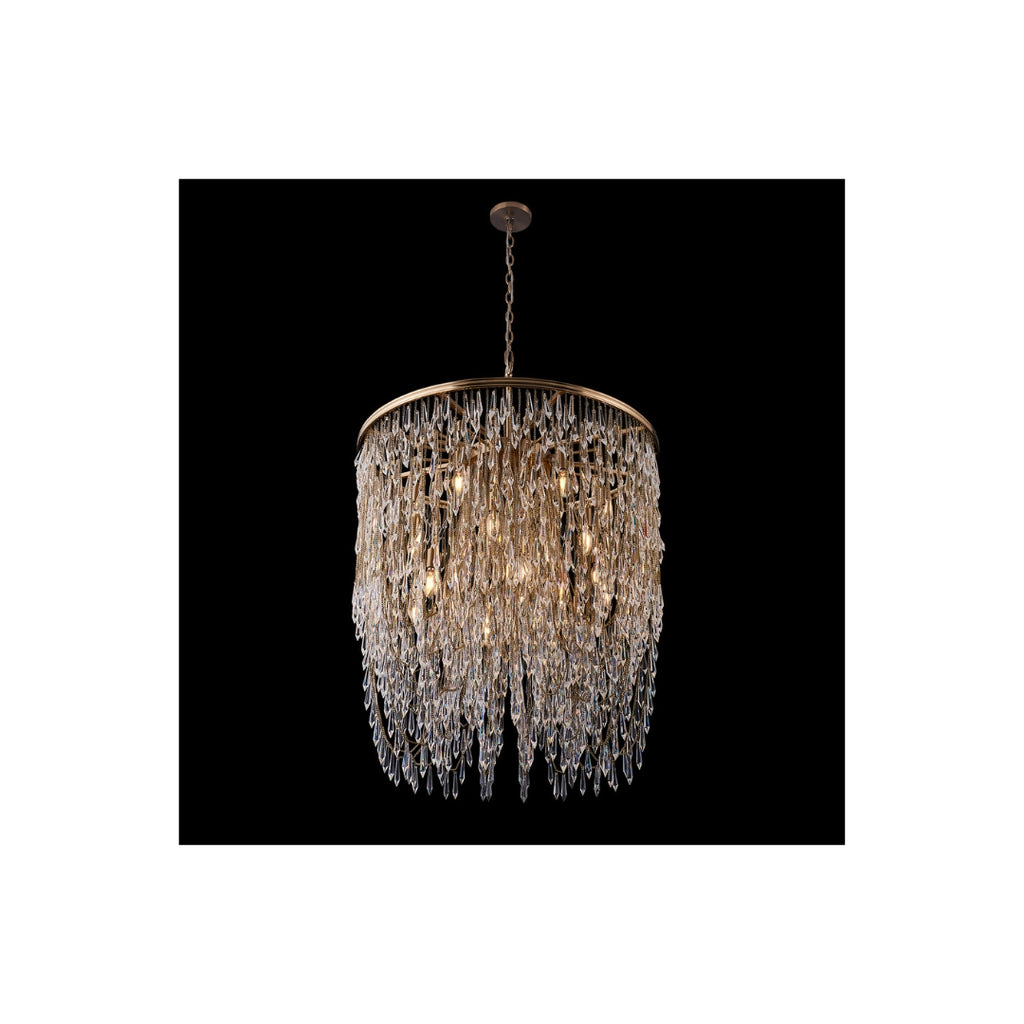
Lighting in a quiet luxury living room is never a single overhead source. It is a composed plan of at least three distinct layers operating at different heights. A sculptural pendant or chandelier anchors the vertical axis and signals considered design from the moment one enters the space. Floor lamps at reading height add warmth and intimacy that overhead lighting cannot replicate. Warm temperatures in the 2,700 to 3,000 Kelvin range make materials read as richer, and dimmers shift the room from a composed daytime setting to an intimate evening one.
The Role of Natural Materials
Natural materials carry an intrinsic authority that manufactured alternatives do not. The grain variation in solid wood, the surface character of natural stone, and the slight irregularity of hand-woven textiles all communicate authenticity. A coffee table in travertine or solid wood, a hand-knotted rug, and linen drapery read as quietly luxurious at every distance. These materials also age with character rather than deteriorating, so a patinated leather lounge chair or a well-worn oak console becomes more interesting over time.
Mobilart's Quiet Luxury Curation
Mobilart has curated living room furniture that embodies this sensibility for over 40 years, long before quiet luxury had a name in the design conversation. The over 25,000 sq ft showroom at 8260 Devonshire, Mont-Royal lets visitors experience the aesthetic in full, seeing how materials relate, how pieces scale, and how the whole reads together in a way photography cannot convey. Complimentary design consultations are available, with design professionals guiding selection based on room conditions, palette direction, and long-term material fit.
Timeless Versus Trend in Living Room Design
One of quiet luxury's most practical qualities is its resistance to obsolescence. A room built on neutral tones, natural materials, and timeless silhouettes does not require updating when the next trend arrives. Trend-driven interiors demand maintenance, since pieces purchased for their moment look dated once that moment passes. The investment case is therefore as much financial as aesthetic, with fewer replacements, longer relevance, and a room that holds its quality across years. Enduring silhouettes such as clean-lined sofas and simple console forms build a room that ages well.