A Lounge Chair Over a Sectional
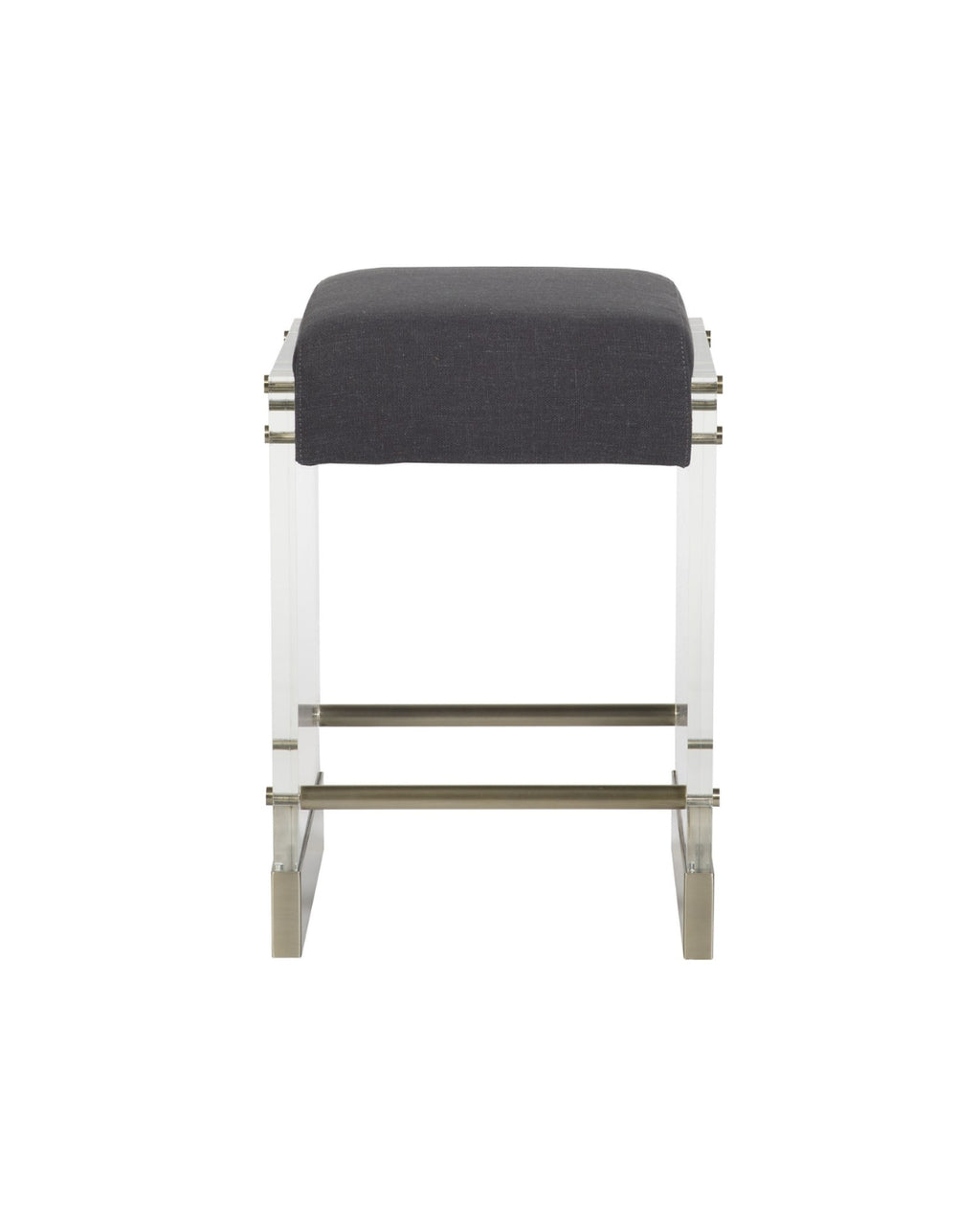
In a compact Montreal living room, a single well-chosen lounge chair often delivers more visual impact than a sectional that dominates the floor plan. A sculptural silhouette with an exposed frame contributes to the room without closing it, and a full sectional rarely leaves that kind of breathing room. Pairing an accent chair with a compact sofa keeps the seating functional and the space open. In a room where every piece is visible, the chair's upholstery and form become a genuine design statement.
Mirrors and Visual Expansion
A large format mirror placed opposite a window reflects natural light across the room, effectively doubling the perceived depth of the space. Mirrors also reflect the room's furnishings, reinforcing the curated quality of the selections and making the space feel more layered. The mirror's frame is a design element in its own right, so a sculptural or refined frame should contribute rather than read as an afterthought. Floor-length proportions add vertical scale, and positioning matters as much as size.
Accent Tables and Smart Pieces
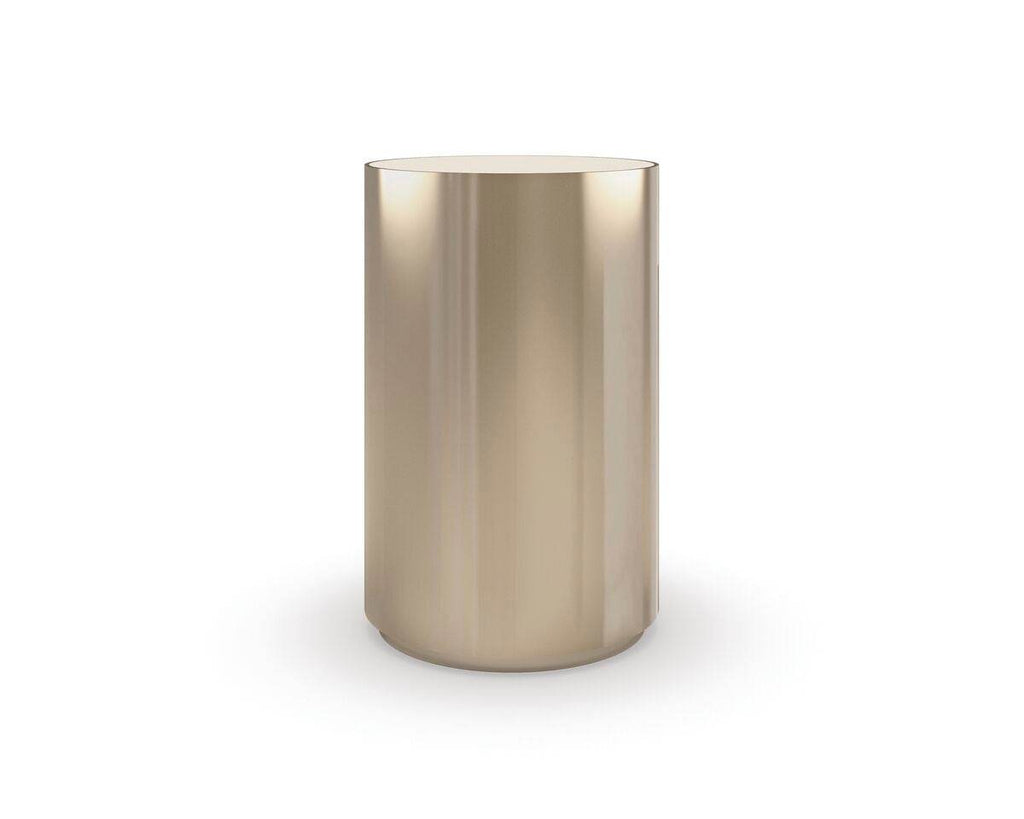
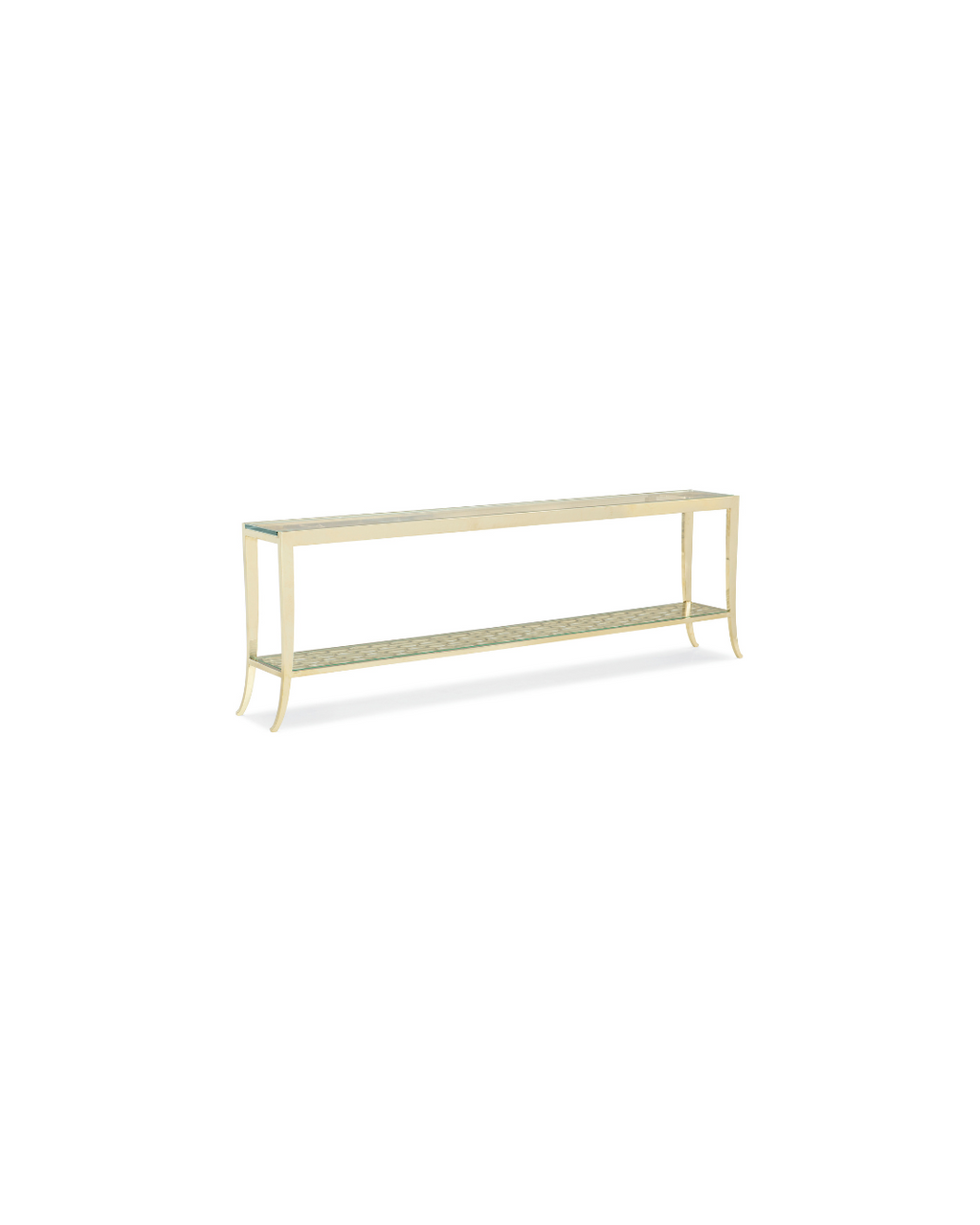
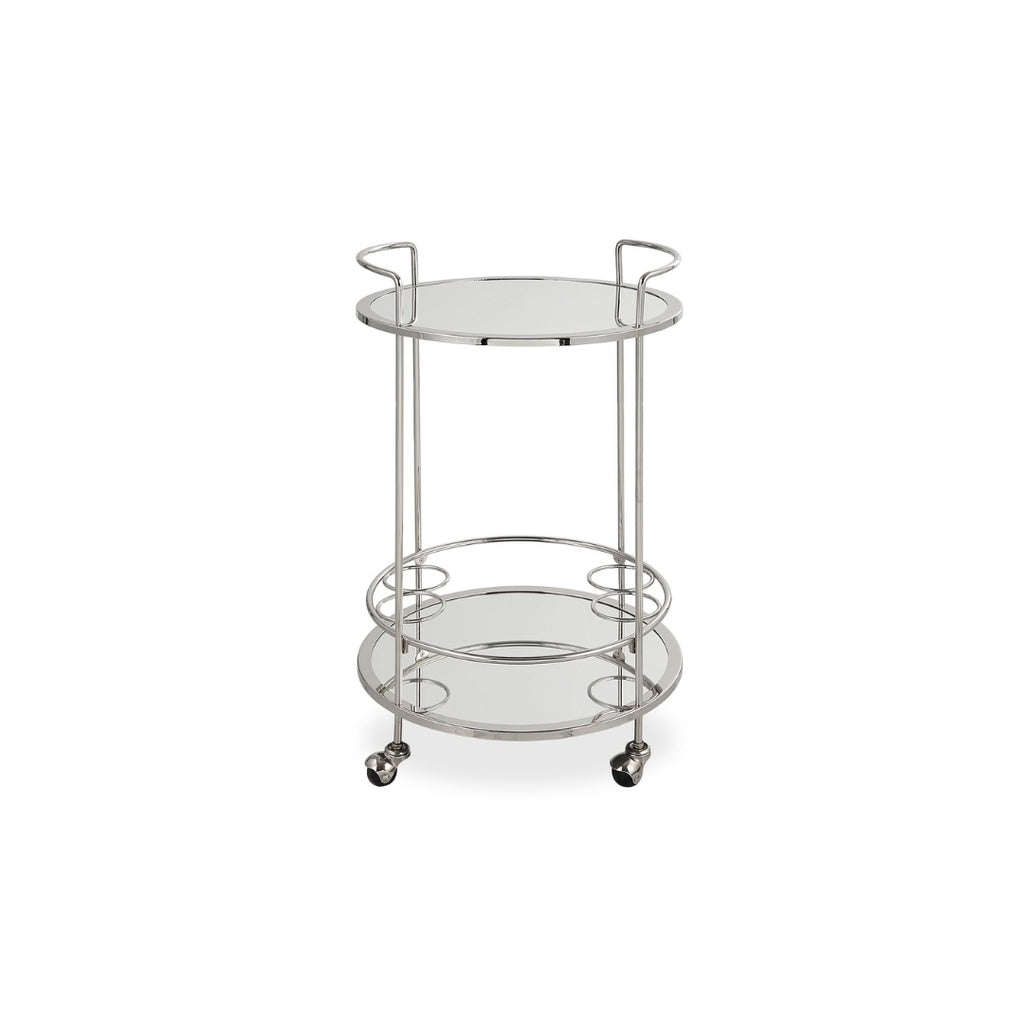
In a compact room, every surface and every piece must justify its presence both functionally and visually. A well-designed accent table that serves as a side surface, an occasional table, and a sculptural object reduces the number of pieces needed while elevating the room's material story. Nesting tables are a refined solution, tucking away when idle and presenting a considered composition when displayed. The finish, whether stone, lacquer, natural wood, or metal, shapes the palette. Edited surfaces read as luxury where clutter is visible.
Colour and Light in Small Rooms
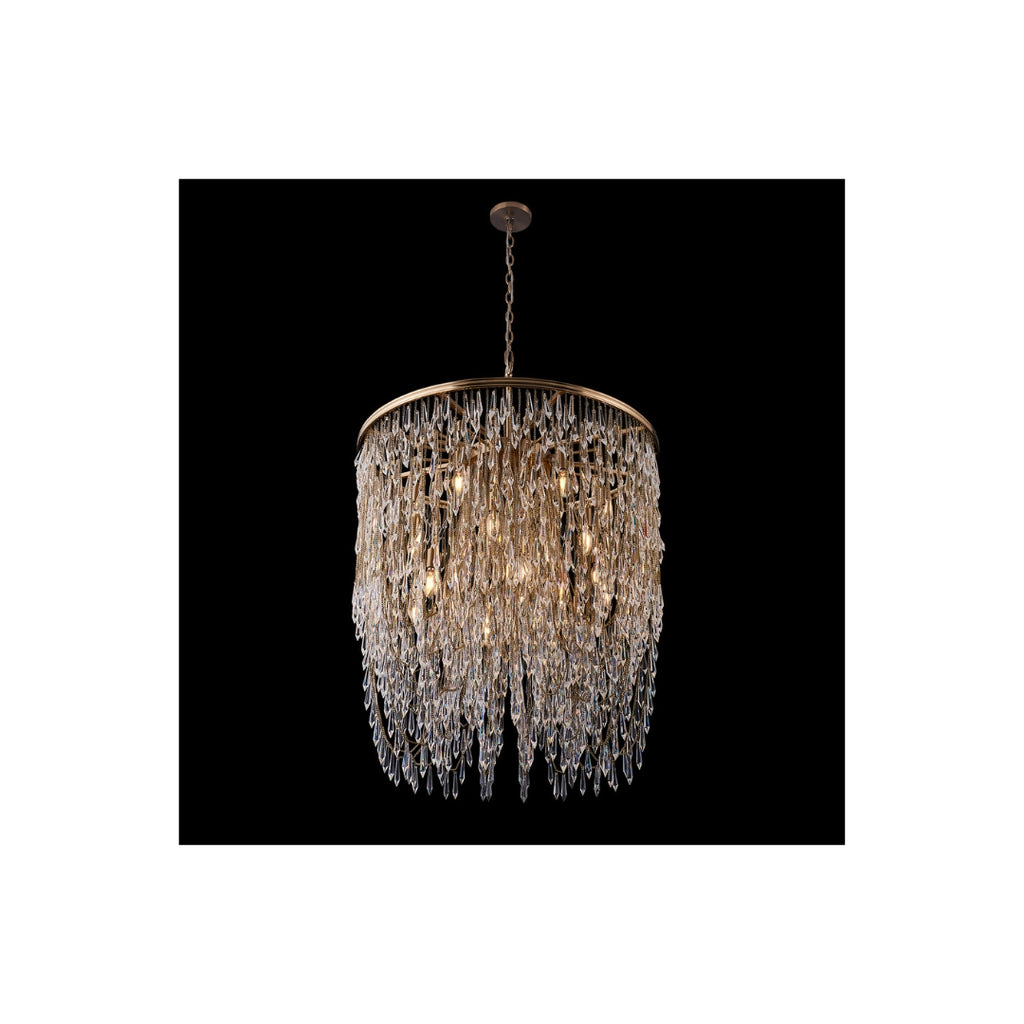
Light, tonal palettes such as warm whites, soft creams, and layered greiges expand perceived space by reducing visual boundaries between surfaces and walls. A deliberately dark palette, applied with confidence, can create a jewel-box effect that feels intentional rather than merely small. Layered lighting transforms a small room as effectively as any furniture decision, with a sculptural pendant, a floor lamp at reading height, and a low ambient source each serving a purpose.
Rugs to Define and Ground the Space
A rug that is too small is one of the most damaging mistakes in a compact living room, fragmenting the seating rather than anchoring it. The rug should sit beneath the front legs of all key seating pieces at minimum, creating a unified visual zone within the open floor plan. A single generously proportioned rug often makes the space feel larger. Texture underfoot adds material richness, and a hand-knotted piece in a tonal pattern adds depth without visual busyness.
Vertical Space and Wall Presence
Compact rooms gain perceived scale most quickly through their vertical dimension, since drawing the eye upward reduces the sense of enclosure created by limited floor space. Floor-to-ceiling curtains hung at the ceiling line, even when the window sits lower, create an impression of height that broadens the entire room. A single piece of art hung higher than convention can shift the perceived ceiling. Wall-mounted shelving uses vertical space without consuming floor area, and upward-directed lighting reinforces that scale.
Mobilart's Curatorial Approach to Small Spaces
Mobilart has applied the same principles of proportion, material quality, and curatorial discipline described here for over 40 years. The over 25,000 sq ft showroom at 8260 Devonshire, Mont-Royal allows visitors to experience how curated furniture selections translate across different room scales in person. Complimentary design consultations are available, and design professionals help match the right pieces to the specific dimensions and conditions of a buyer's living room. The curation process prioritizes scale integrity and long-term material quality over volume of selection.
Storage Without Visual Weight
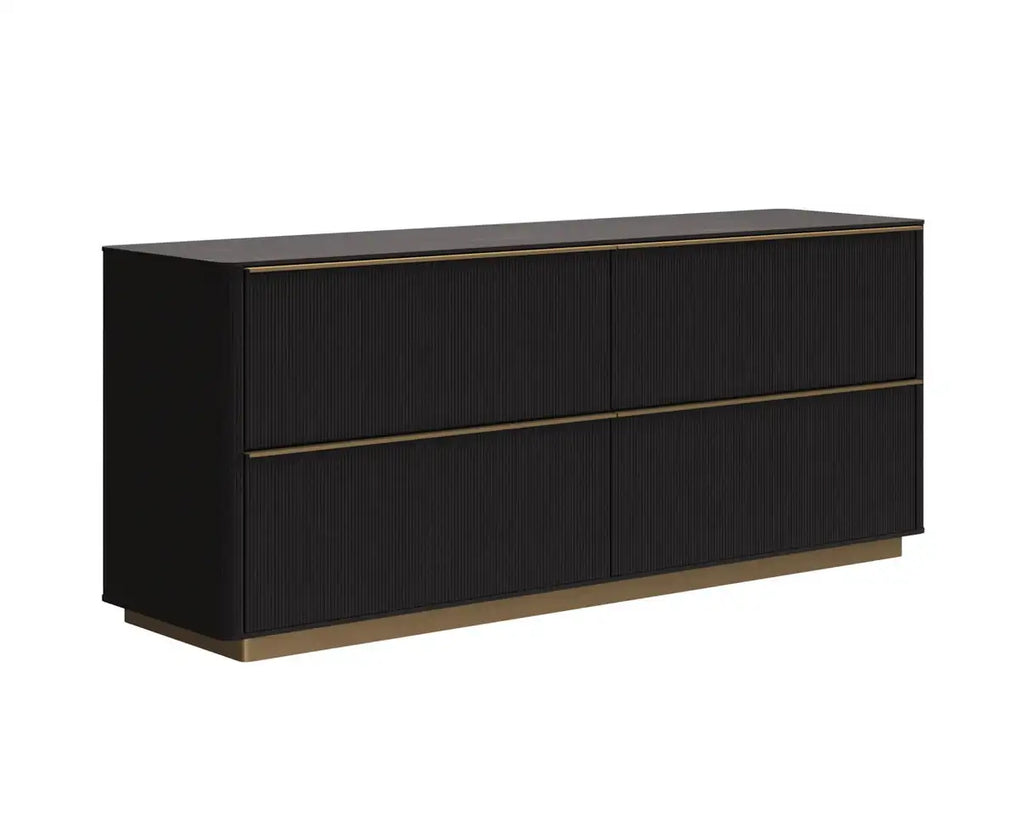
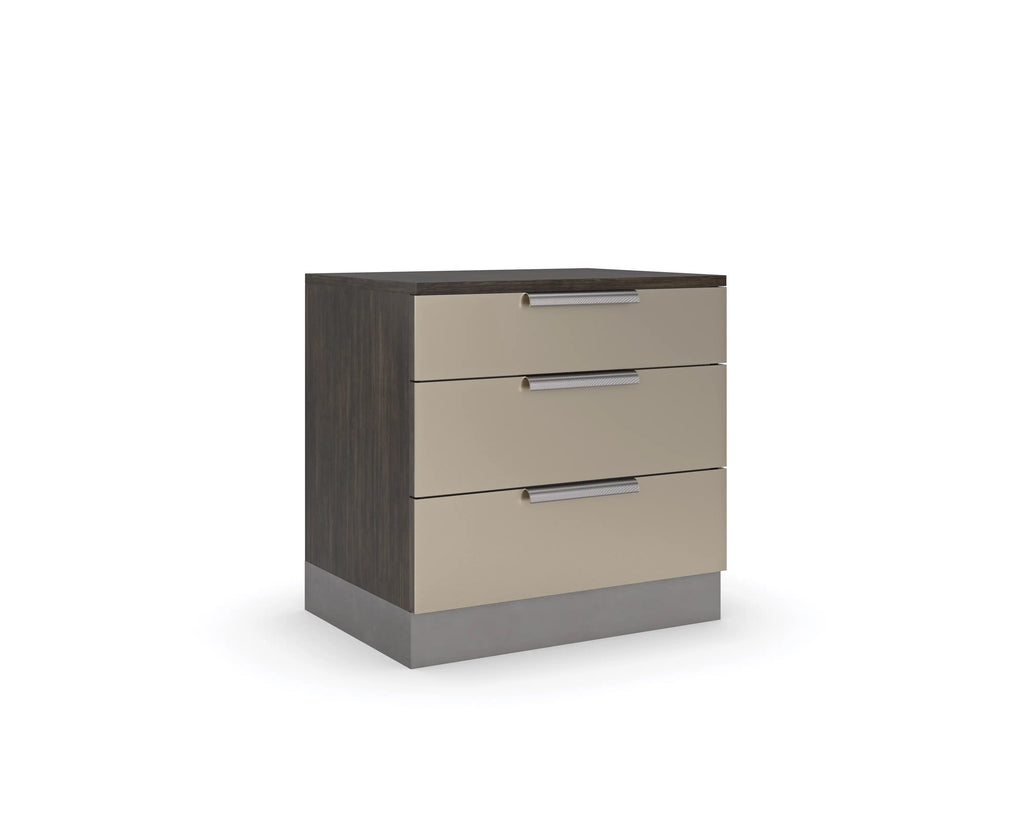
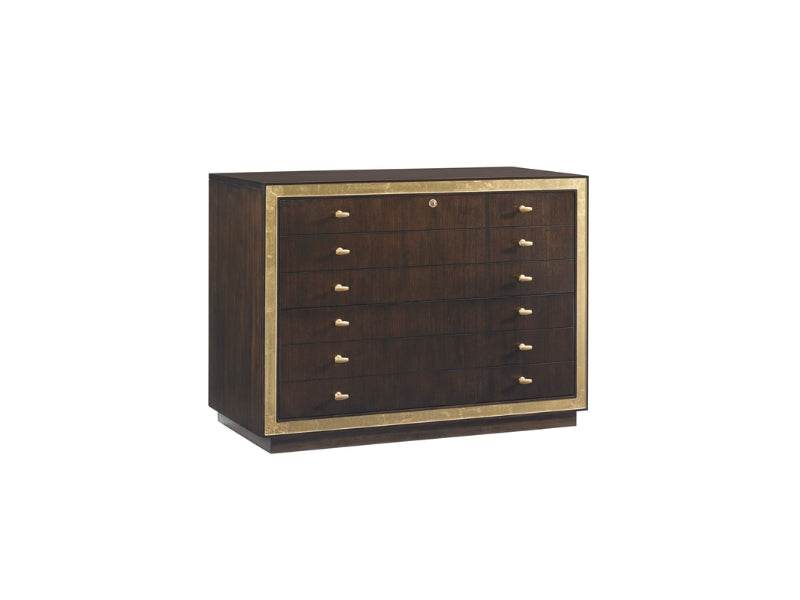
In a compact luxury living room, clutter is the fastest way to undermine refinement, and the solution is not more shelving but smarter concealment. Closed storage such as a credenza, a media unit with doors, or an ottoman with internal storage keeps surfaces clear while maintaining full functionality. An ottoman that serves as both seating and storage reduces the number of pieces required. That visual calm is as significant as any decorative element, so choose each piece for its material and silhouette.