The Origins of Transitional Style
The origins of transitional style are rooted in cultural shifts toward comfort, practicality, and restraint. As lifestyles became less formal and homes increasingly multifunctional, design priorities evolved. People wanted interiors that felt welcoming and livable without sacrificing elegance.
Transitional design gained momentum as homeowners began blending inherited or traditional furnishings with newer, cleaner-lined pieces. Designers recognized this organic mix and refined it into a cohesive approach. Over time, transitional interior design came to be defined not by specific eras, but by its ability to bridge them.
Its continued relevance lies in this adaptability. As tastes change and new materials emerge, transitional design absorbs innovation while maintaining a stable visual foundation. This flexibility ensures it remains contemporary without becoming dated.
Key Characteristics That Define Transitional Interior Design
Transitional interior design is defined by a series of visual and conceptual characteristics that work together as a cohesive system. Rather than relying on bold statements or decorative excess, it emphasizes balance, proportion, and intentional restraint.
One of the most recognizable characteristics is the use of clean lines softened by subtle detailing. Furniture silhouettes are streamlined, but not severe. Edges may be gently curved, profiles refined, and ornamentation minimal. This approach avoids the rigidity of pure minimalism while steering clear of heavy decoration.
A neutral color foundation is another hallmark. Transitional spaces typically rely on warm neutrals that create cohesion and longevity. These palettes serve as a backdrop for texture and form, allowing materials and craftsmanship to take center stage.
Visual balance is achieved through thoughtful composition rather than symmetry alone. Asymmetrical arrangements are common, provided they feel intentional and proportionate. The goal is visual calm, not strict formality.
Transitional interiors often feature a mix of traditional and contemporary pieces that share common threads. This may include similar materials, consistent finishes, or aligned proportions. The emphasis is on harmony rather than contrast for its own sake.
Quality and longevity are prioritized over quantity. Fewer pieces are chosen, but each plays a clear role. Furniture and decor are selected for enduring appeal rather than novelty, reinforcing the timeless nature of the style.
Negative space is treated as an active design element. Open areas allow the eye to rest and give each piece room to breathe. This restraint prevents visual overload and enhances the impact of carefully chosen furnishings.
Texture layering replaces heavy ornamentation. Soft textiles, natural materials, and subtle variations in finish add depth and warmth without relying on pattern or excess detail.
Furniture legs in transitional design are often straight, tapered, or gently curved. These details subtly bridge traditional craftsmanship and modern simplicity.
Above all, transitional interior design emphasizes functional beauty. Every element serves both an aesthetic and practical purpose, supporting everyday living while maintaining refined visual balance.
Essential Design Elements
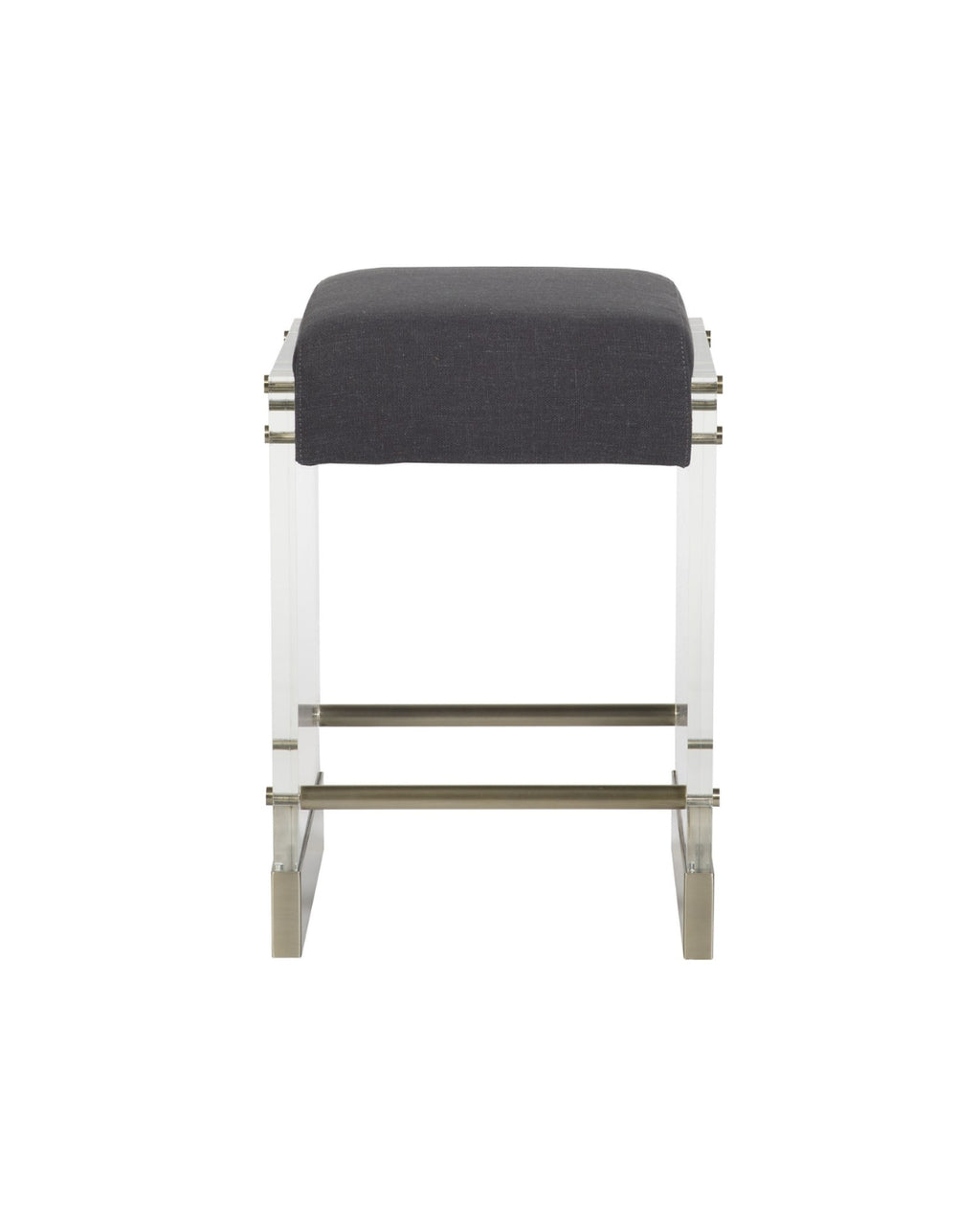
Furniture silhouettes in transitional interiors favor clean profiles with softened edges. Sofas, chairs, and tables avoid excessive carving or embellishment, instead relying on proportion and material quality for presence.
Material combinations play a critical role. Wood is often paired with metal or glass to balance warmth and lightness. Upholstery adds softness, while stone or ceramic introduces structure.
Hardware is selected with restraint. Finishes are consistent and understated, supporting cohesion rather than drawing attention.
Proportion and scale guide every decision. Pieces are chosen to suit the room’s dimensions and architectural context, ensuring comfort and visual harmony.
These elements function as a system. When aligned, they create a space that feels intentional, balanced, and enduring.
The Power of Restraint in Transitional Spaces
Restraint is a defining principle of transitional interior design. Rather than filling a space, the focus is on curation. Each item earns its place through function, quality, or visual contribution.
Negative space becomes a tool for emphasis. By allowing breathing room, the design highlights craftsmanship and form.
This approach reduces decision fatigue and visual clutter. Layering through texture, lighting, and subtle contrast replaces excessive decoration, maintaining interest without overwhelm.
Color Palettes and Textures: Creating Depth Without Ornamentation
Color and texture are essential to transitional interior design, providing depth and warmth while maintaining visual calm. Rather than relying on bold patterns or high contrast schemes, transitional interiors use layered neutrals and tactile materials to create interest.
A neutral base anchors the space. Common choices include greige, soft gray, warm white, taupe, and beige. These tones create cohesion and allow flexibility as tastes evolve. They also age gracefully, supporting long term design value.
Neutrals work because they highlight form and texture rather than competing with them. In transitional interiors, furniture silhouettes, materials, and craftsmanship become focal points against a quiet backdrop.
Accent colors are introduced sparingly. Muted jewel tones, soft blues, and warm terracottas can add personality without disrupting balance. These accents are often found in textiles, art, or small accessories rather than dominant surfaces.
Texture replaces pattern as the primary source of depth. Layering wood, linen, velvet, metal, glass, leather, and stone creates richness without visual noise. Each material contributes a distinct tactile quality.
Lighting plays a critical role in revealing texture. The way light interacts with surfaces enhances warmth and dimension, preventing the space from feeling flat or cold.
Regional considerations also matter. Natural light varies across climates, influencing how colors and materials are perceived. Transitional design adapts by adjusting undertones and finishes to suit the environment.
Building a Warm Neutral Base
Understanding undertones is essential. Warm neutrals create coziness and prevent a sterile appearance, while cooler neutrals can introduce calm when balanced with texture.
Variations within white, gray, and beige offer subtle shifts in mood. Selecting the right base depends on light exposure, room size, and desired atmosphere.
Material selection reinforces warmth. Natural fibers and wood tones soften neutral palettes and enhance comfort.
Accent Colors: Where and How to Introduce Them
Accent colors should be intentional and limited. Placement matters more than quantity. A single hue repeated subtly can unify a room.
Muted tones feel more aligned with transitional design than saturated colors. They add depth without overpowering the neutral foundation.
Seasonal and personal preferences can be expressed through accents that are easy to update, maintaining flexibility.
The Texture Mixing Framework
Balancing hard and soft materials creates visual harmony. Pairing wood with linen or metal with velvet introduces contrast without conflict.
Repetition anchors the design. Repeating textures across a space creates cohesion and prevents visual fragmentation.
Careful layering avoids noise. Each texture should complement the others rather than compete.
How to Achieve Transitional Interior Design: Practical Implementation
Achieving transitional interior design requires a structured, thoughtful approach. Rather than making impulsive purchases, success comes from clarity, planning, and layering.
- Begin with a clear vision: Understanding your preferences and goals prevents randomness and ensures cohesion.
- Audit existing pieces for transitional potential: Identify items that align with quality, proportion, and style.
- Mood boards help visualize the direction: Collect inspiration that reflects balance rather than extremes.
- Develop a core color palette early: This anchors decisions and simplifies selection.
- Build in layers: Transitional design evolves over time, allowing adjustment and refinement.
- Budget strategically: Invest in foundational pieces and experiment with accessories.
- Step back regularly: Assess balance and make adjustments as needed.
A phased approach reduces overwhelm and allows the space to develop naturally.
The Assessment and Planning Phase
- Evaluate your inventory for quality, scale, and compatibility.
- Consider architectural constraints, natural light, and functional needs.
- Personal style preferences should guide decisions within the transitional framework.
Building Your Transitional Foundation
- Select a neutral palette that suits your space.
- Source key furniture pieces that anchor the design.
- Maintain material consistency and verify proportions before committing.
Layering and Refinement
- Introduce accessories gradually.
- Layer textures and lighting to enhance warmth.
- Live with the space before finalizing, allowing it to inform adjustments.
Common Mistakes to Avoid
- Mixing too many styles dilutes cohesion.
- Inconsistent scale disrupts balance.
- Over accessorizing defeats restraint.
- Ignoring lighting undermines texture and comfort.
- Sacrificing comfort compromises livability.
- Treating all pieces as equally important creates visual competition.
Transitional Interior Design Ideas for Every Room
Transitional interior design adapts seamlessly across rooms, supporting both aesthetics and function.
Living rooms benefit from layered seating, statement lighting, and textured textiles that encourage conversation.
Bedrooms emphasize restfulness through upholstered headboards, clean lined frames, and layered bedding.
Kitchens balance sleek cabinetry with traditional hardware and a mix of open and closed storage.
Dining rooms pair quality tables with mixed seating and thoughtful lighting.
Home offices combine function and refinement through dual purpose furniture and restrained accessories.
The Transitional Living Room
- Seating configurations prioritize comfort and flow.
- Coffee tables are styled with restraint, using texture rather than clutter.
- Lighting layers create ambiance and focus.
- Rugs anchor the space and define zones.
Transitional Bedrooms That Feel Restful
- Bed frames and headboards set the tone.
- Nightstands and dressers coordinate without matching exactly.
- Textiles add softness and warmth.
- Window treatments balance privacy and light.
- Lighting supports both function and relaxation.
Transitional Kitchens and Dining Spaces
- Cabinet styles and hardware bridge eras.
- Countertops and backsplashes balance texture and simplicity.
- Islands integrate seating thoughtfully.
- Appliances are managed visually.
- Lighting defines dining areas.
Luxury Transitional Furniture: Elevating Your High End Home
Luxury transitional interior design refines the aesthetic through superior materials, skilled craftsmanship, and intentional investment. Thoughtfully selected furniture contributes not only to visual sophistication, but also to long term comfort and structural integrity.
Choosing luxury transitional furniture is most compelling when durability and timeless relevance are priorities. Pieces crafted with care tend to age gracefully, retaining both their functionality and aesthetic presence for many years. High quality upholstery, well constructed frames, and meticulous detailing support everyday use while preserving a refined appearance.
A clear understanding of materials is essential when making these decisions. Solid wood, veneered surfaces, and engineered constructions each serve different purposes depending on application, performance requirements, and design goals. When executed properly, each can align seamlessly with a transitional aesthetic.
Construction methods and joinery play a defining role. Precise craftsmanship ensures clean lines, stability, and longevity, reinforcing the quiet confidence that characterizes transitional interiors. Hardware selection further influences both usability and visual cohesion, acting as a subtle but meaningful design element.
In luxury transitional spaces, statement pieces are chosen with intention. Rather than overwhelming a room, they provide visual anchoring while maintaining balance. Custom and bespoke options offer additional flexibility, allowing furnishings to respond to unique layouts, proportions, and personal preferences.
Evaluating furniture through a cost per year perspective highlights its true value over time. Core elements such as seating, case goods, and lighting typically warrant greater investment, while accessories offer opportunities for experimentation and seasonal change. A single exceptional piece can elevate an entire room, and well made furniture often carries resale or heirloom potential.
Investment Grade Transitional Sofas and Seating
The longevity of transitional seating depends on fabric quality, construction standards, and thoughtful design. Upholstery performance affects wear and maintenance, while solid frame construction underpins durability. Cushion composition influences comfort retention over time, and well-considered proportions ensure the design remains relevant as trends shift.
Customization options allow seating to align precisely with spatial needs and aesthetic preferences. Considerations such as warranty coverage and responsible production further support informed, long-term choices.
Transitional Case Goods and Custom Cabinetry
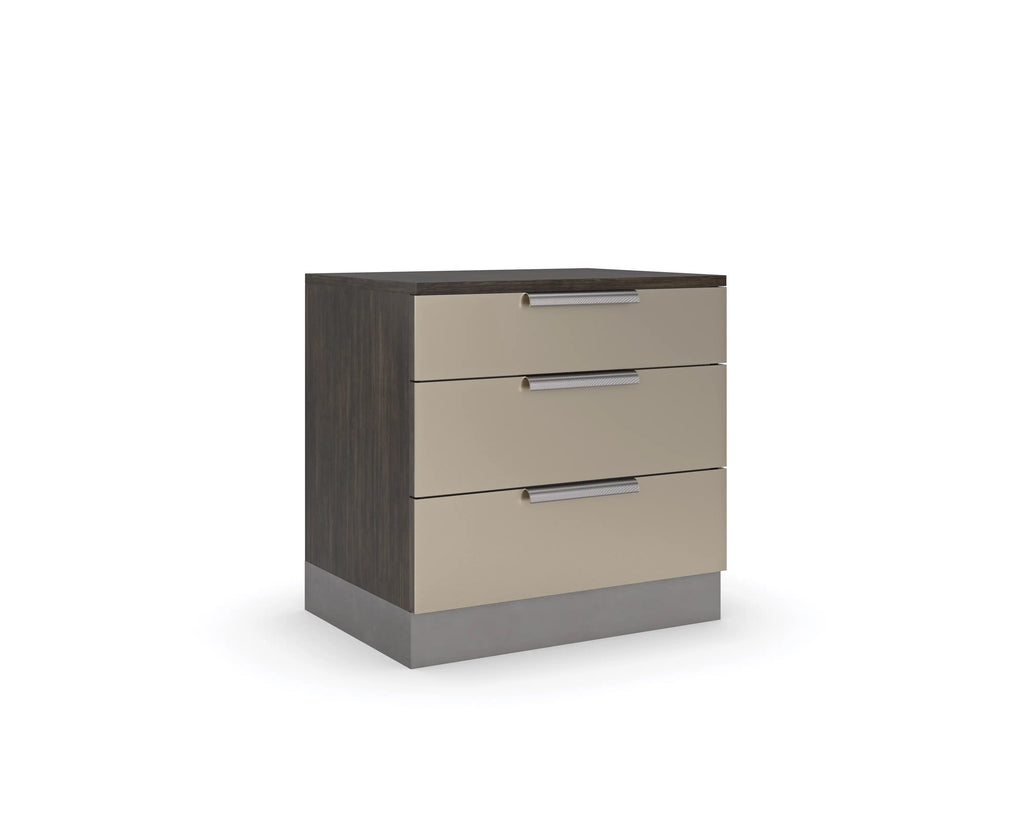
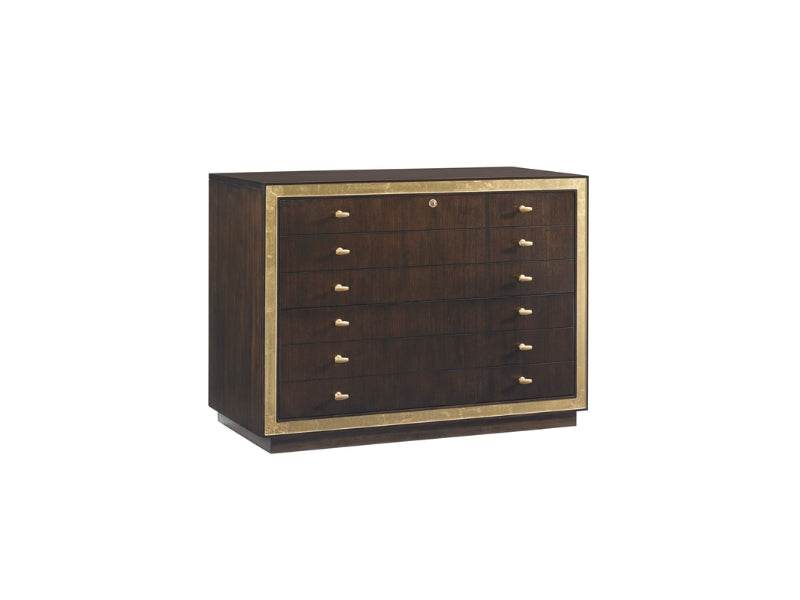
Case goods in transitional interiors benefit from careful material selection and refined finishing. Solid wood choices impact durability and surface character, while drawer and door mechanisms shape everyday experience. Hardware contributes quietly to the overall design language, reinforcing cohesion.
Bespoke storage solutions address both functional and spatial requirements, whether through built-in applications or freestanding pieces that offer flexibility and adaptability.
Statement Lighting and Accessories in Luxury Transitional
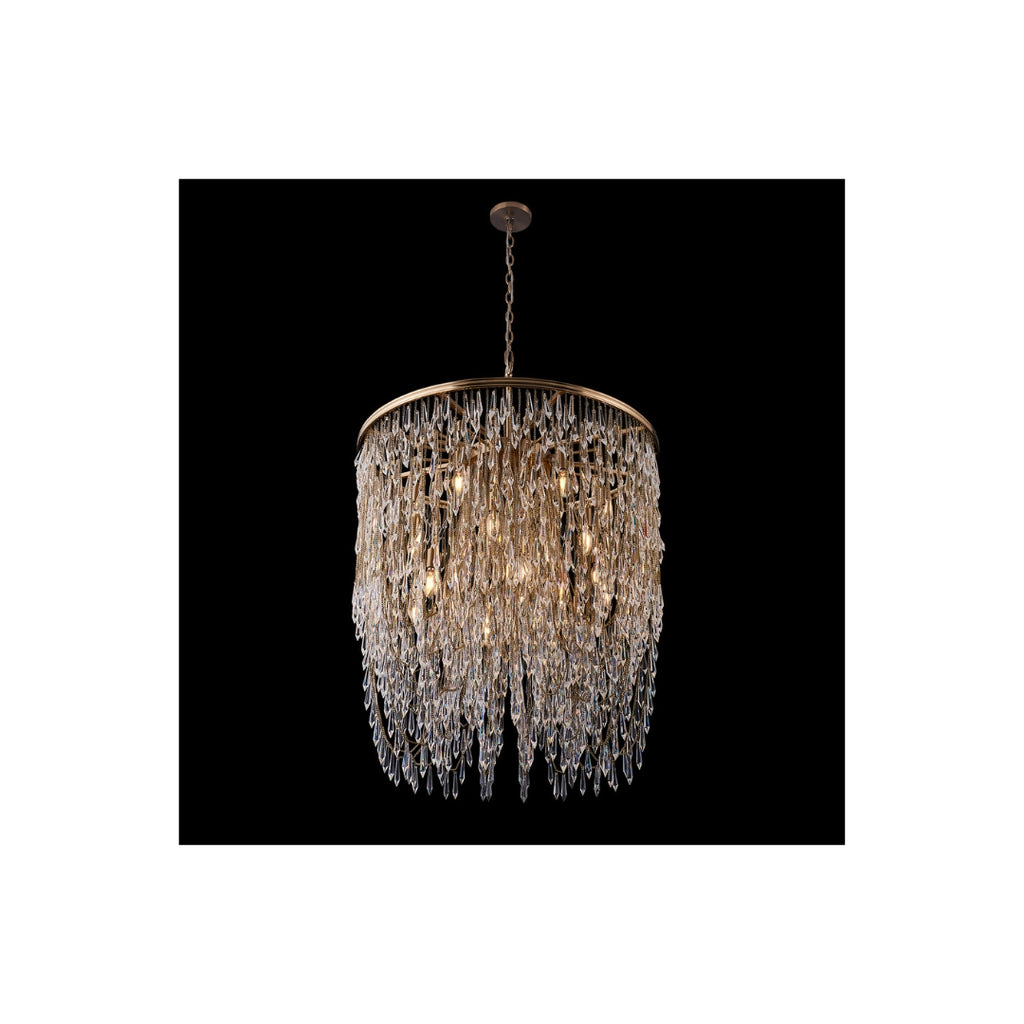
Lighting within luxury transitional interiors functions as both an architectural element and a sculptural presence. Designer and artisan fixtures add distinction while supporting layered illumination. Accessories are curated with restraint, favoring fewer, higher-quality pieces.
Finishing materials complete the composition, reinforcing a sense of refinement and continuity throughout the space.
Bringing Transitional Interior Design to Life in Our Showroom
Because transitional interior design depends on how pieces relate, it rewards in-person selection more than most styles. The look lives in finish, scale, and texture relationships that screens and swatches cannot fully convey. At the Mobilart showroom at 8260 Devonshire, Mont-Royal, spanning over 25,000 square feet, these combinations can be tested in context, with a complimentary consultation to help you balance old and new within your transitional interior design style.