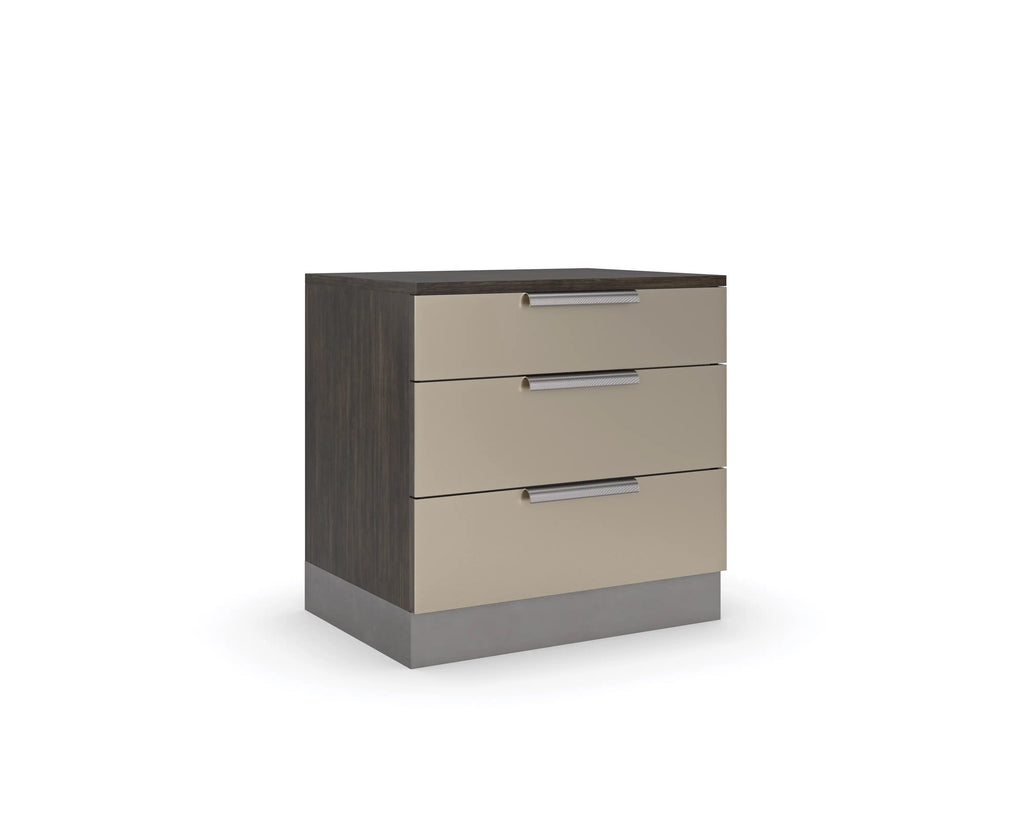
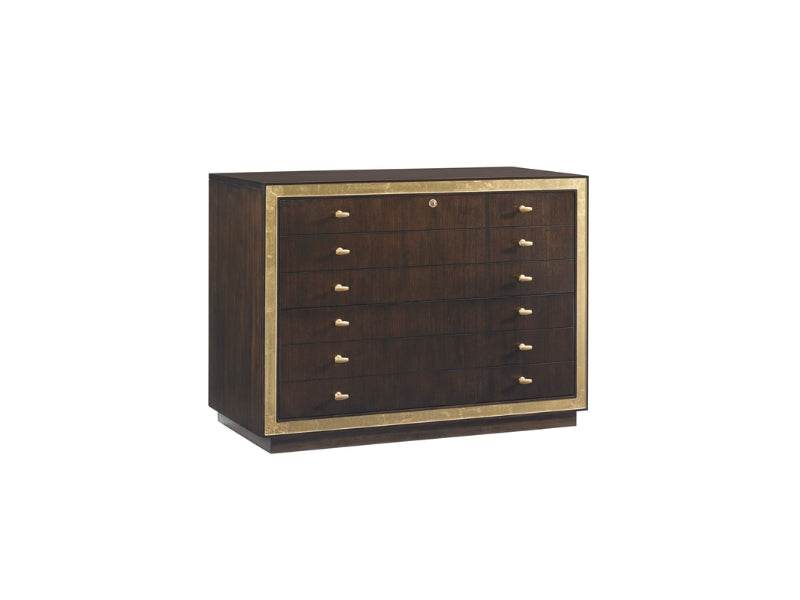
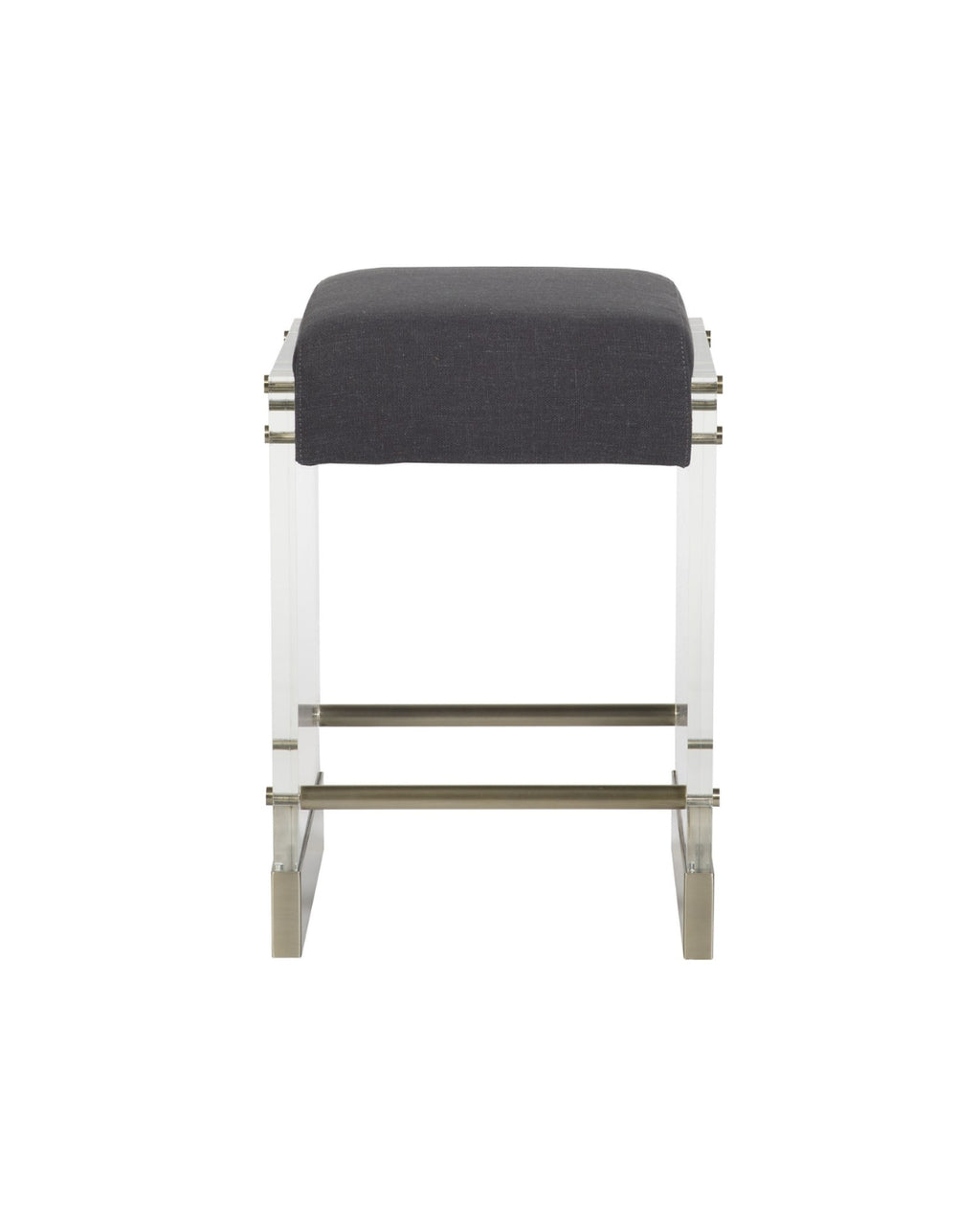
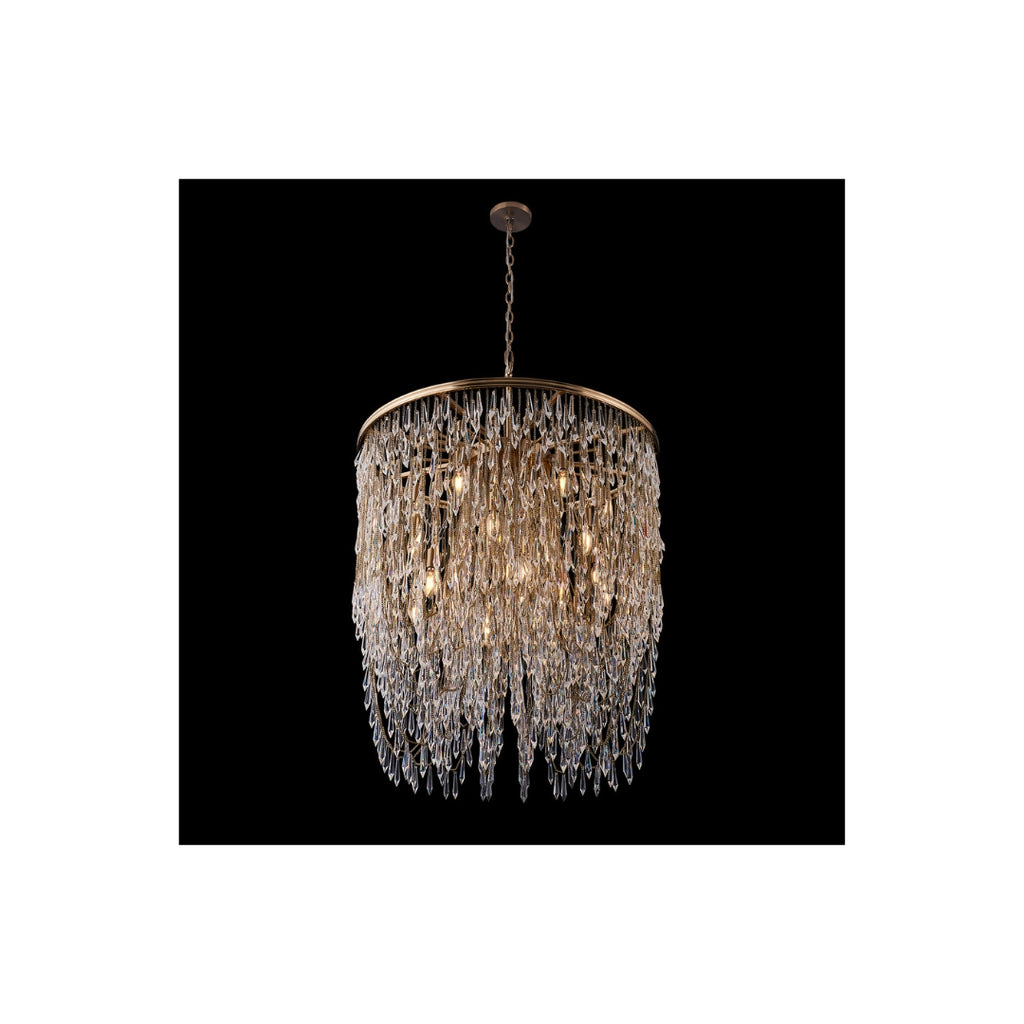
Japandi Style: The Quiet Fusion Leading 2026
Japandi — the blend of Japanese minimalism and Scandinavian warmth — has moved from niche aesthetic to one of the most enduring directions in furniture design, and it's worth investing in because it isn't really a "trend" so much as a return to design fundamentals both traditions already valued: natural materials, restrained ornamentation, and function-first forms.
What defines it in practice:
Materials: Light, unfinished or lightly stained woods (oak, ash, pale walnut), paired with matte ceramics, linen, and stone
Palette: Warm neutrals — sand, clay, soft charcoal, muted greens — instead of stark white or cold grey
Silhouettes: Low-profile furniture, clean joinery, visible craftsmanship, and an absence of heavy ornamentation
Philosophy: Fewer, better pieces — Japandi spaces tend to have noticeably less furniture than a typical North American room, with every piece earning its place
For Montreal homes specifically, Japandi works exceptionally well in condos and lofts (Griffintown, Nuns' Island) where clean architecture already leans minimal, but it also softens well into heritage homes in Outremont or the Plateau when mixed with the original wood detailing already in the space.