What Is a Credenza?
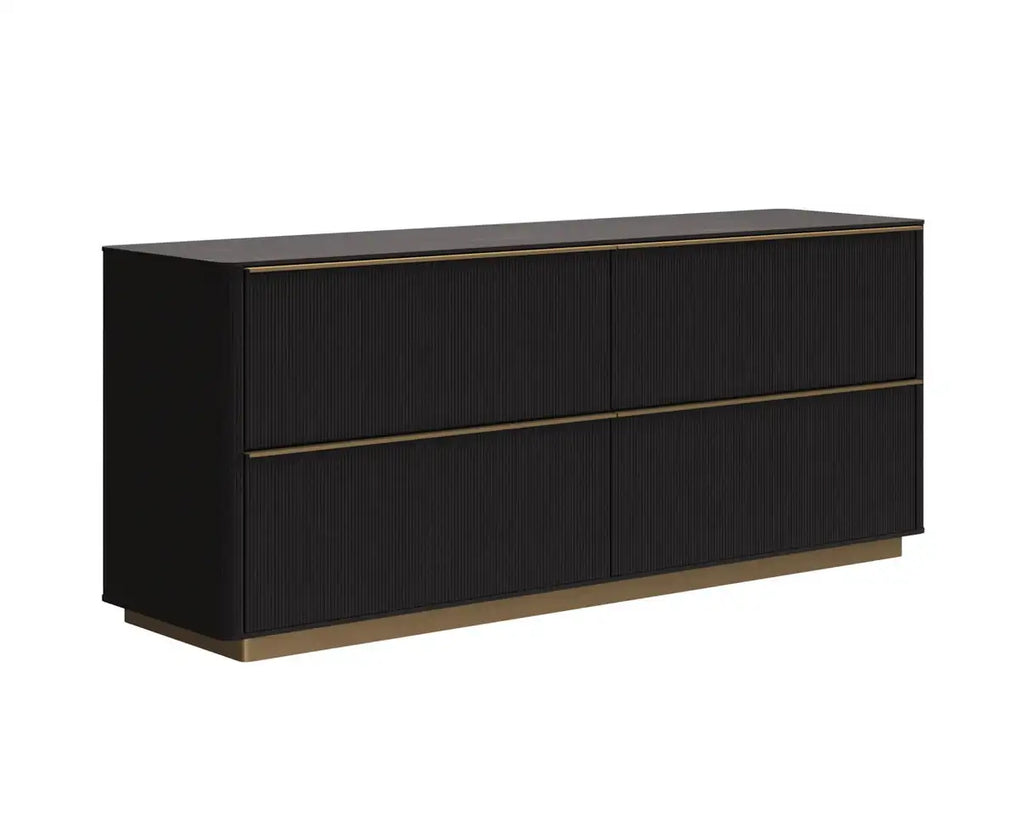
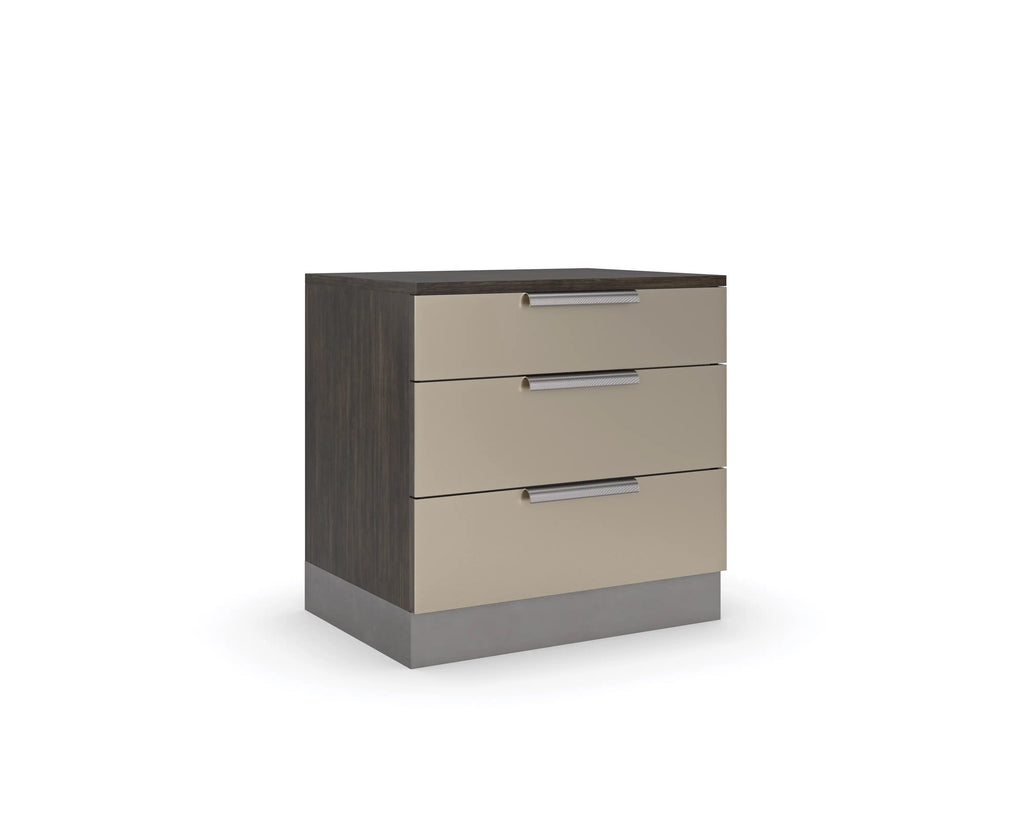
The word credenza comes from Italian, originally referring to a side table used in noble households to taste food before serving. That function required a low, accessible surface, and the profile has carried forward across centuries. Today, a credenza is a long, low cabinet typically standing 24 to 28 inches tall, with a flat, unobstructed top and sliding doors. The sliding door configuration is its defining functional signature: it allows placement in tight rooms without swing clearance.
Its low height makes a credenza a natural candidate for television placement. For seated viewing, the centre of a 55 to 75-inch screen positioned on a 24 to 28-inch credenza typically lands within the ideal 42 to 48-inch eye-level zone. Many current designs include rear cable management cutouts for AV setups. Browse Mobilart's credenza and sideboard collection to see available styles.
What Is a Sideboard?
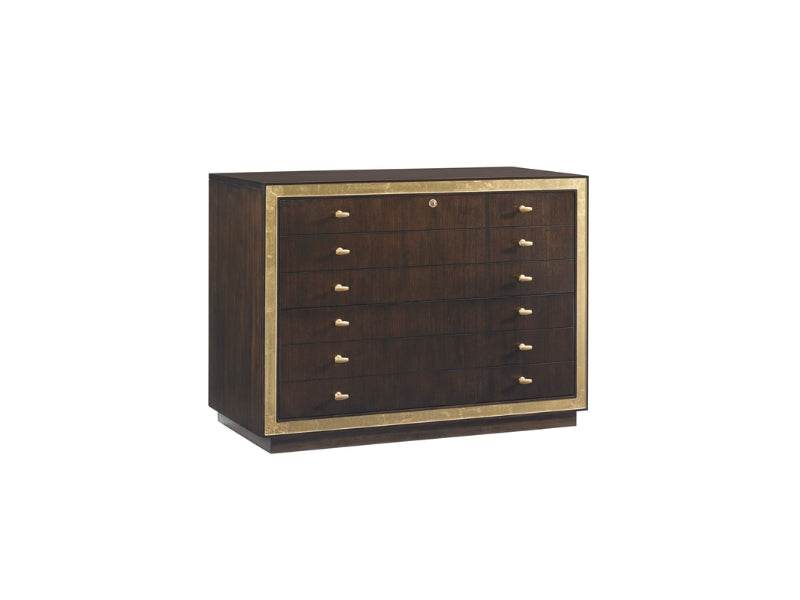
The sideboard originated in 18th-century England as a plank laid across trestles for serving food, evolving into the freestanding cabinet we recognize today. A modern sideboard stands 30 to 36 inches tall on raised legs that lift the body clearly off the floor. Raised legs are its most recognizable visual characteristic and its most important distinction from a credenza. Swing-door cabinets and upper drawer rows are standard, with generous depth for platters, linens, and entertaining supplies.
In North American usage, sideboard, buffet, and server are interchangeable terms. In Quebec French-speaking contexts, buffet is the more common name. While the sideboard's natural habitat is the dining room, it adapts well to entryways where its height and storage capacity serve well. Used as a TV stand, it can place the screen higher than ideal for comfortable seated viewing depending on your TV size and seating height.
What Is a Media Console?
The media console is the youngest of the three categories, emerging as a distinct product type with the rise of flat-screen televisions. It is purpose-built to support a television and AV equipment, typically standing 18 to 24 inches tall with built-in cable management cutouts, open or ventilated shelving for media components, and sometimes integrated cord channels through the interior.
The style evolution of the media console has brought it visually very close to the credenza. A sleek, low piece with a flat top and storage behind doors could reasonably be called either, depending on whether it includes AV-specific features. The core distinction is function: when cable management, ventilated shelving, and a lower-than-standard height are priorities, a dedicated media console is the right category. See Mobilart's TV stands and media console collection for current inventory.