High-End Furniture for Every Room in Your Home
Living Room
In the living room, high-end furniture is most often defined by seating. A high-end sofa differs from a mass-market alternative in its internal structure, including kiln-dried hardwood frames, reinforced joinery, and advanced suspension systems designed to retain comfort over time.
Sectionals are engineered for real-life use, balancing seat depth, back support, and modular flexibility without compromising durability. Upholstery options are curated for both tactile quality and long-term performance.
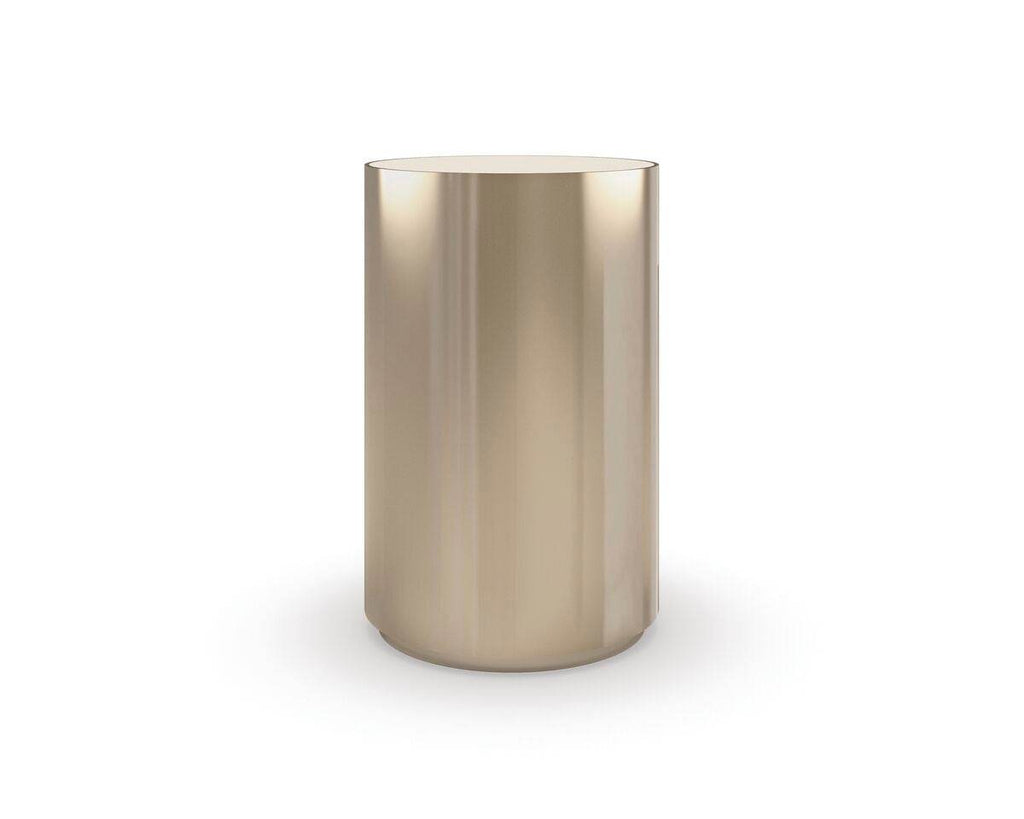
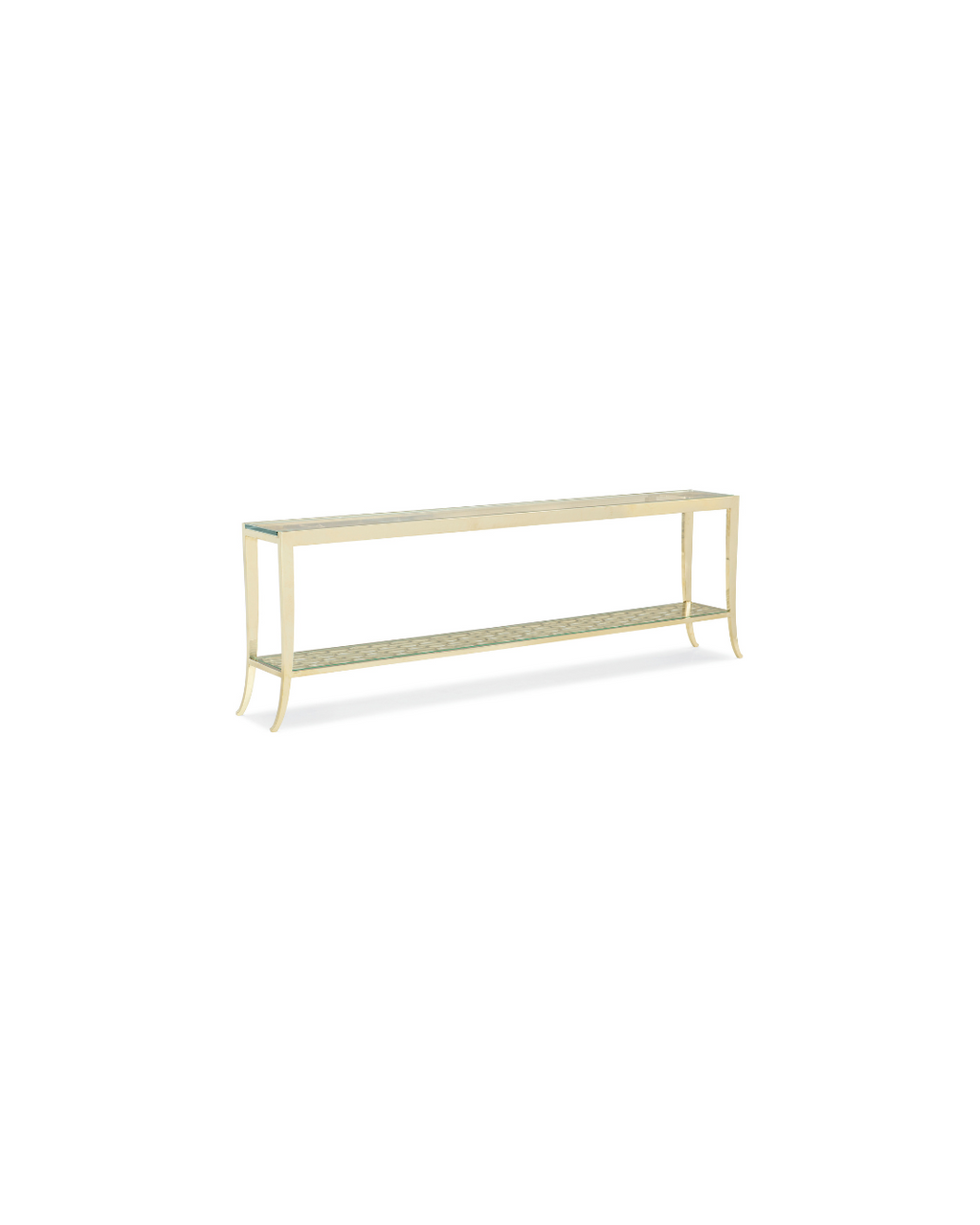
Accent pieces such as lounge chairs, coffee tables, and consoles act as finishing layers. In a high-end furniture store, these elements are selected to complement seating both visually and structurally, rather than serving as purely decorative add-ons.
Dining Room
High-end dining room furniture prioritizes stability and material integrity. Tables are typically crafted from solid wood, stone, or high-quality glass rather than veneer over particleboard. Joinery plays a critical role, ensuring that expansion, weight, and daily use do not compromise the structure over time.
Dining chairs are designed for extended comfort, supporting posture during long meals and gatherings. Upholstery, seat padding, and frame geometry are considered together, not as separate features.
Bedroom
In the bedroom, high-end furniture contributes directly to rest and organization. Bed frames are built with structural integrity that minimizes movement and noise, supporting both mattresses and sleep quality.
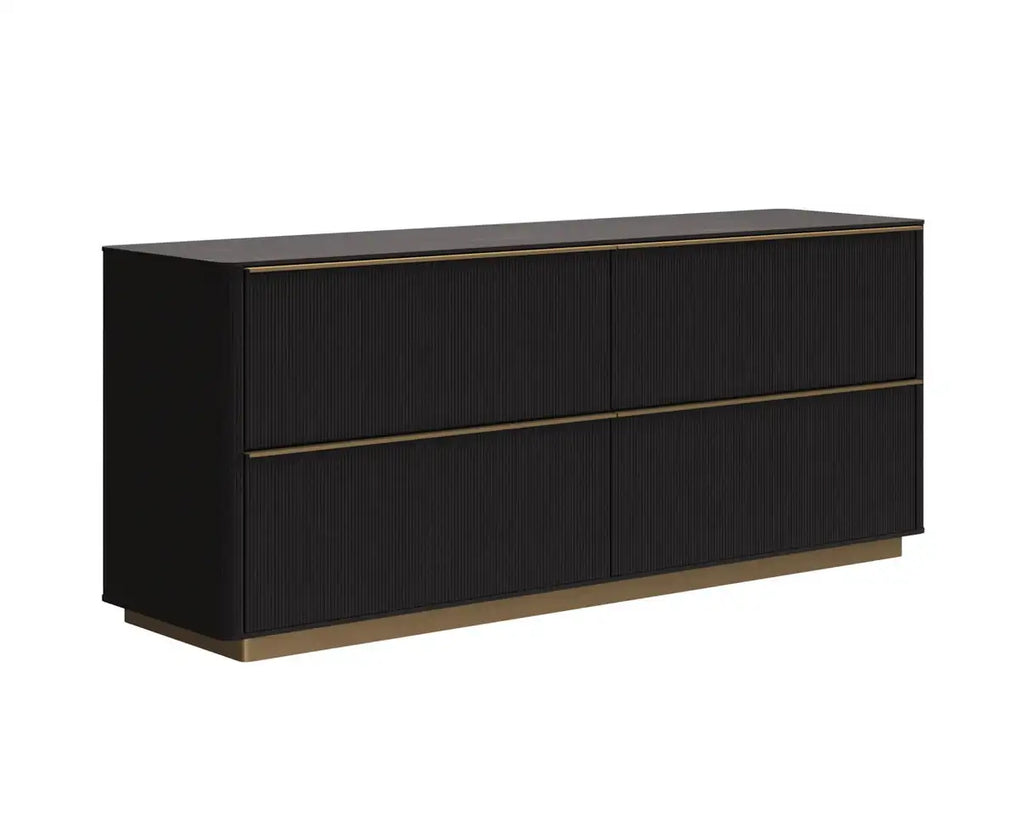
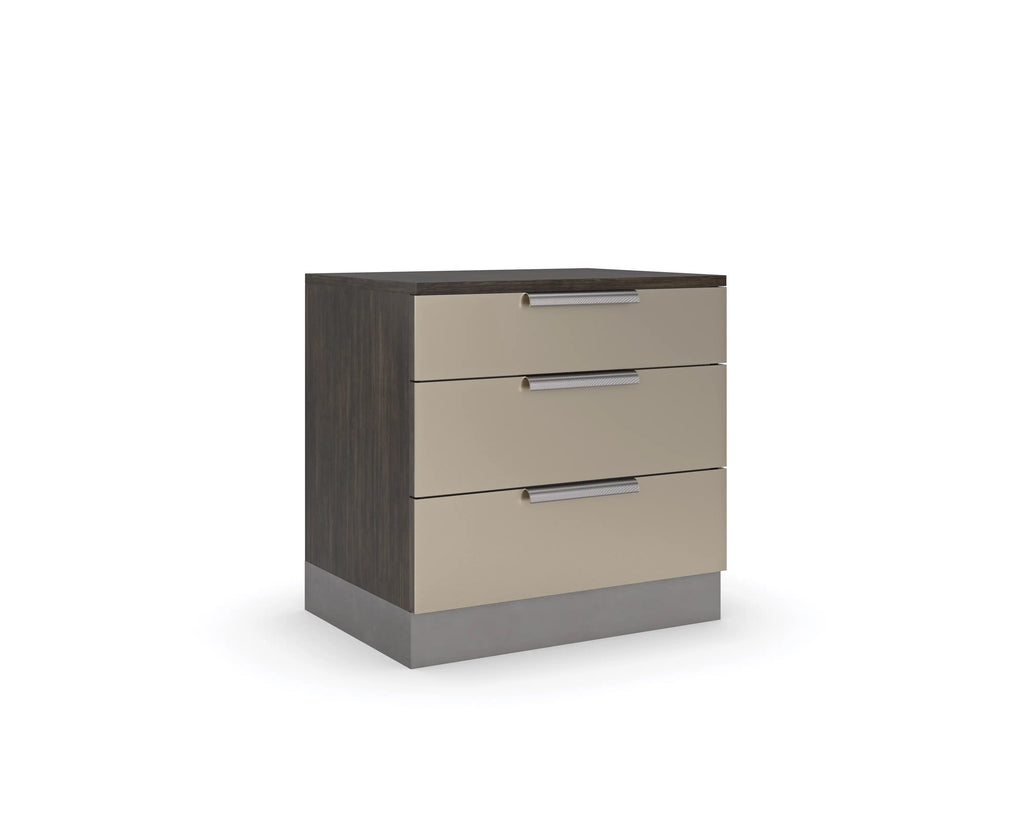
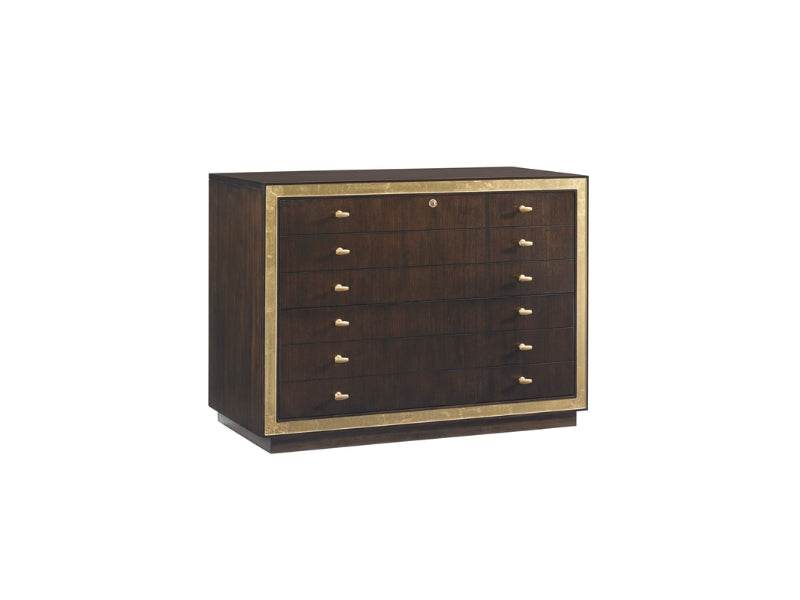
A high-end furniture store often guides buyers toward curated bedroom solutions rather than rigid matching sets. Nightstands, dressers, and storage pieces are selected for function and proportion, and are built to the same standards as larger statement pieces.
Home Office
High-end home office furniture supports productivity through ergonomics and material quality. Solid wood desks provide stability and longevity, while seating is designed to support posture during extended work periods.
Integrated storage, thoughtful proportions, and durable finishes ensure that office furniture remains functional and visually coherent within the broader home environment.
What Makes a Furniture Store High-End?
A high-end furniture store is defined as much by its standards as by the products it carries. Unlike a general furniture retailer focused on volume and turnover, a high-end furniture store operates through curation, expertise, and long-term accountability.
The first distinction lies in curation. High-end furniture stores deliberately limit their selection, choosing fewer collections that meet strict standards for construction, materials, and design integrity. Every piece is vetted, and mass-produced lines are often rejected in favor of furniture made by established manufacturers and designer ateliers with proven track records.
Supplier relationships are another defining factor. A true high-end furniture store maintains direct, long-term partnerships with manufacturers rather than rotating suppliers based on pricing alone. This ensures consistency in quality and access to detailed information about how each piece is built, finished, and tested.
Equally important is the role of trained design consultants. In a high-end furniture store, consultants are not transactional floor staff. They are trained to understand proportion, layout, materials, and lifestyle use cases. Their role is to guide buyers through decisions that affect comfort, scale, and cohesion across rooms, helping prevent costly mistakes.
Showroom standards further separate a high-end furniture store from warehouse-style retailers. Expect styled vignettes that reflect real living environments, material libraries with wood and fabric samples, and seating areas where comfort and ergonomics can be properly tested. These spaces are designed for evaluation, not impulse buying.
High-end furniture stores also prioritize depth of quality over breadth of SKUs. Carrying fewer pieces allows for greater transparency around construction, customization options, and aftercare. This approach supports stronger warranty coverage, clearer return policies, and long-term service relationships that extend well beyond the initial purchase.
Questions to Ask Before Buying High-End Furniture
Entering a high-end furniture store prepared with the right questions helps ensure clarity, confidence, and long-term satisfaction with your investment.
• What is the frame made from, and is the wood kiln-dried?
This determines structural stability and resistance to warping over time.
• What is the cushion foam density, and what fills are used?
Cushion construction directly affects comfort, support, and how well the piece retains its shape.
• Where is the piece manufactured, and can the origin be verified?
Manufacturing origin provides insight into craftsmanship standards and quality control.
• What does the warranty cover for the frame, cushions, and upholstery?
High-end furniture warranties are often component-specific and reveal a store’s confidence in construction quality.
• Can I see and feel material samples before ordering?
Fabric, leather, and finish samples help you assess texture, durability, and color accuracy in person.
• What are the lead times for custom configurations?
Understanding timelines upfront helps set realistic expectations for delivery.
• What does delivery include?
Clarify whether delivery includes white-glove service, in-home assembly, and packaging removal.
• Does the furniture store offer design consultation or room-planning support?
Professional guidance can prevent mismatches in proportion, layout, and style.
• What are the return or exchange options if the piece does not work in my space?
Clear policies reduce risk and support confident decision-making.
• How should this piece be cared for and maintained over time?
Proper care guidance helps maximize lifespan and preserve appearance.
A high-end furniture store should answer these questions clearly and transparently, offering informed support long after the purchase is complete.