













Interior Design Style Guide for Your Home

Glamour Interior Design Style


Mobilart has curated furniture across four core interior design styles for over 40 years, drawing on long-standing relationships with international designers and trusted suppliers. Understanding the differences between contemporary, modern, glamour, and European interior design style is the starting point for any room that feels fully considered. A complimentary design consultation is available throughout.
Contemporary interior design reflects what is visually current, favouring clean profiles, restrained ornamentation, and material richness over surface decoration. The palette tends toward neutrals punctuated by considered accent tones. Furniture silhouettes are resolved and self-assured. The style rewards proportion and the intentional use of space more than it rewards pattern complexity or layering, making it one of the most enduring types of interior design styles for homeowners who want rooms that feel current without requiring constant updating. Explore contemporary furniture at Mobilart to experience this aesthetic in person.
Modern interior design carries a specific historical identity rooted in the philosophy that form should follow function and that ornamentation earns its place or is omitted entirely. The Bauhaus movement and Scandinavian design traditions are defining influences. Furniture built within this tradition has structural clarity and enduring visual authority. Modern pieces do not require updating because their resolved logic is architectural rather than fashionable, making them among the most reliable long-term investments across all types of styles in interior design.
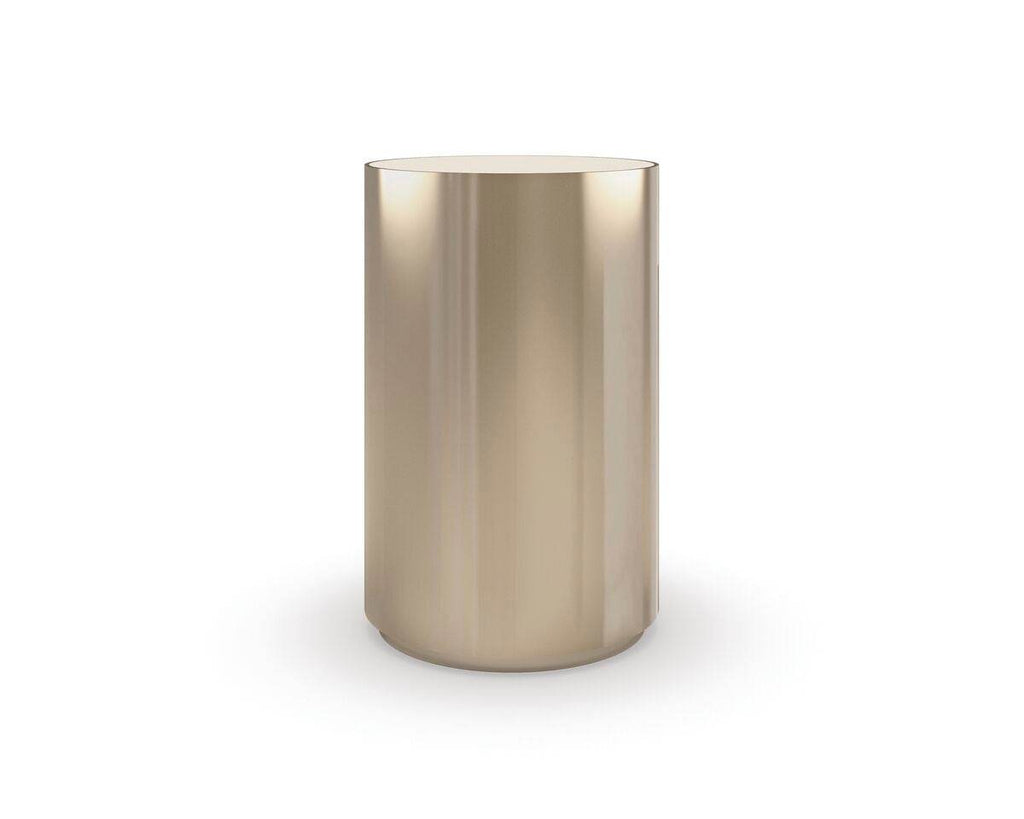
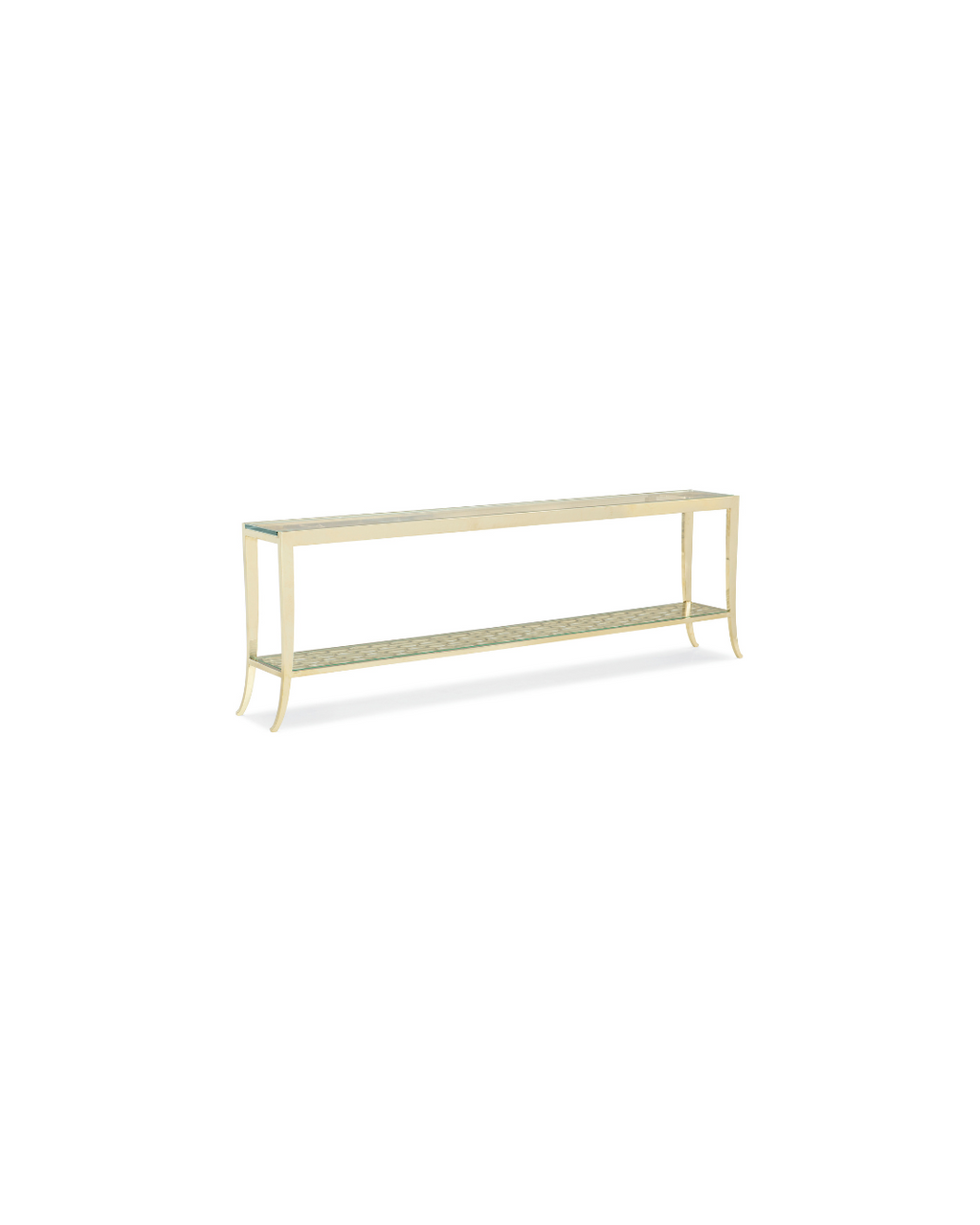
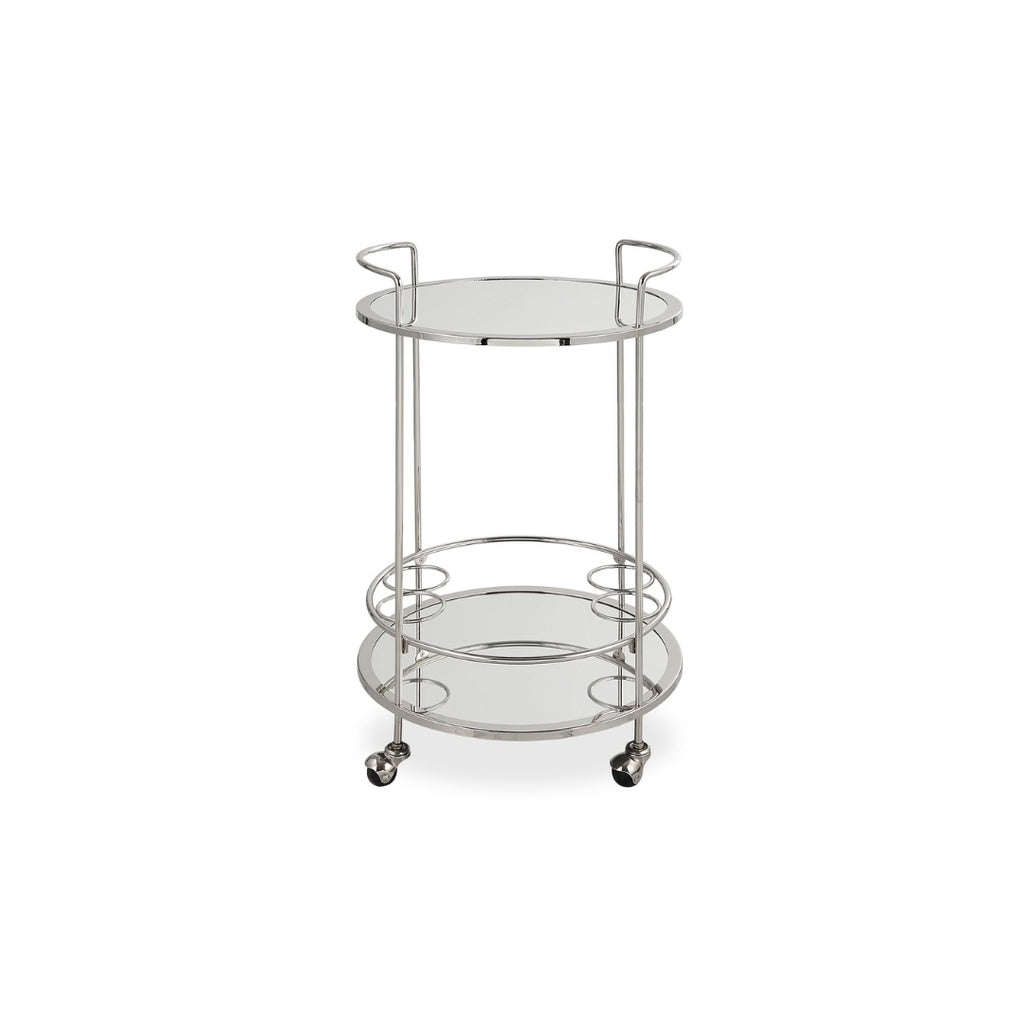
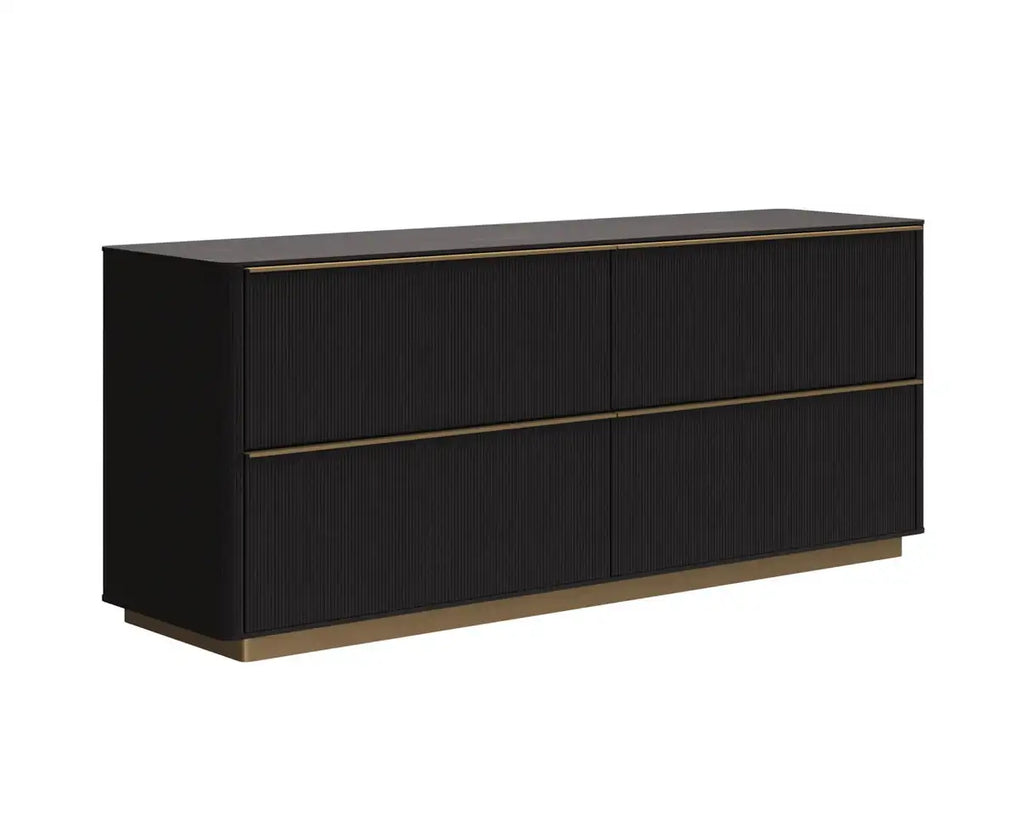
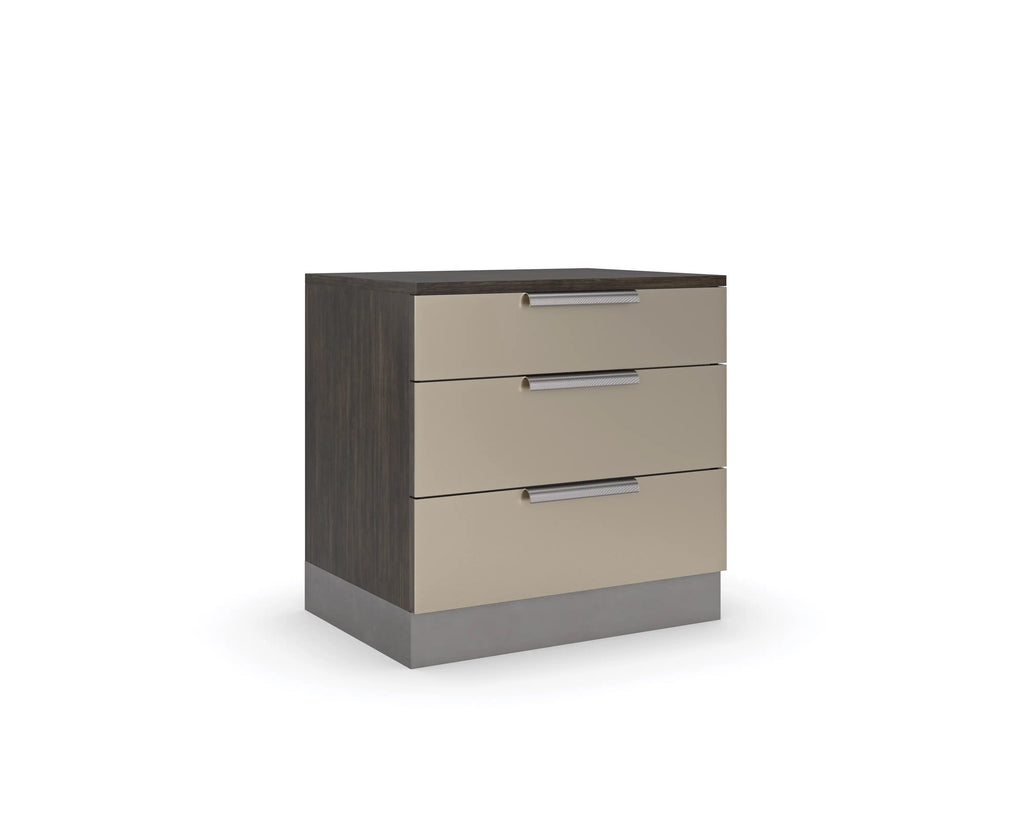
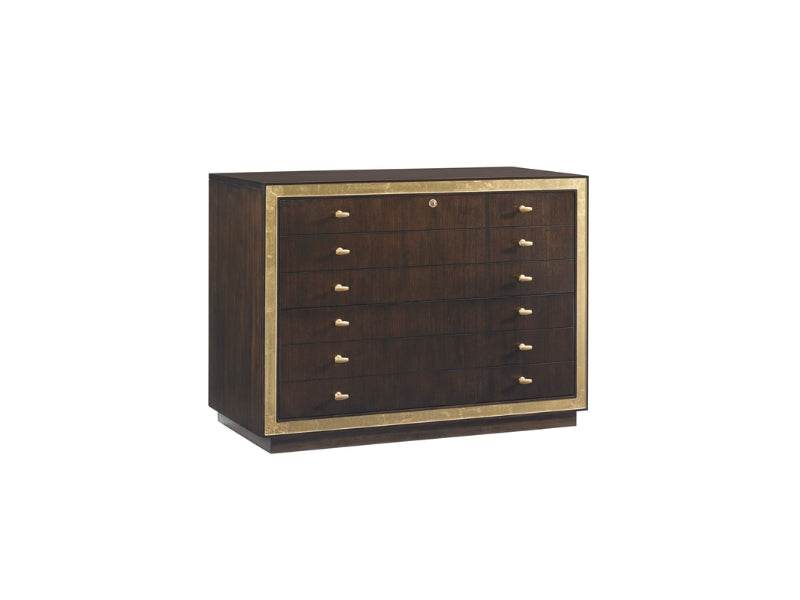
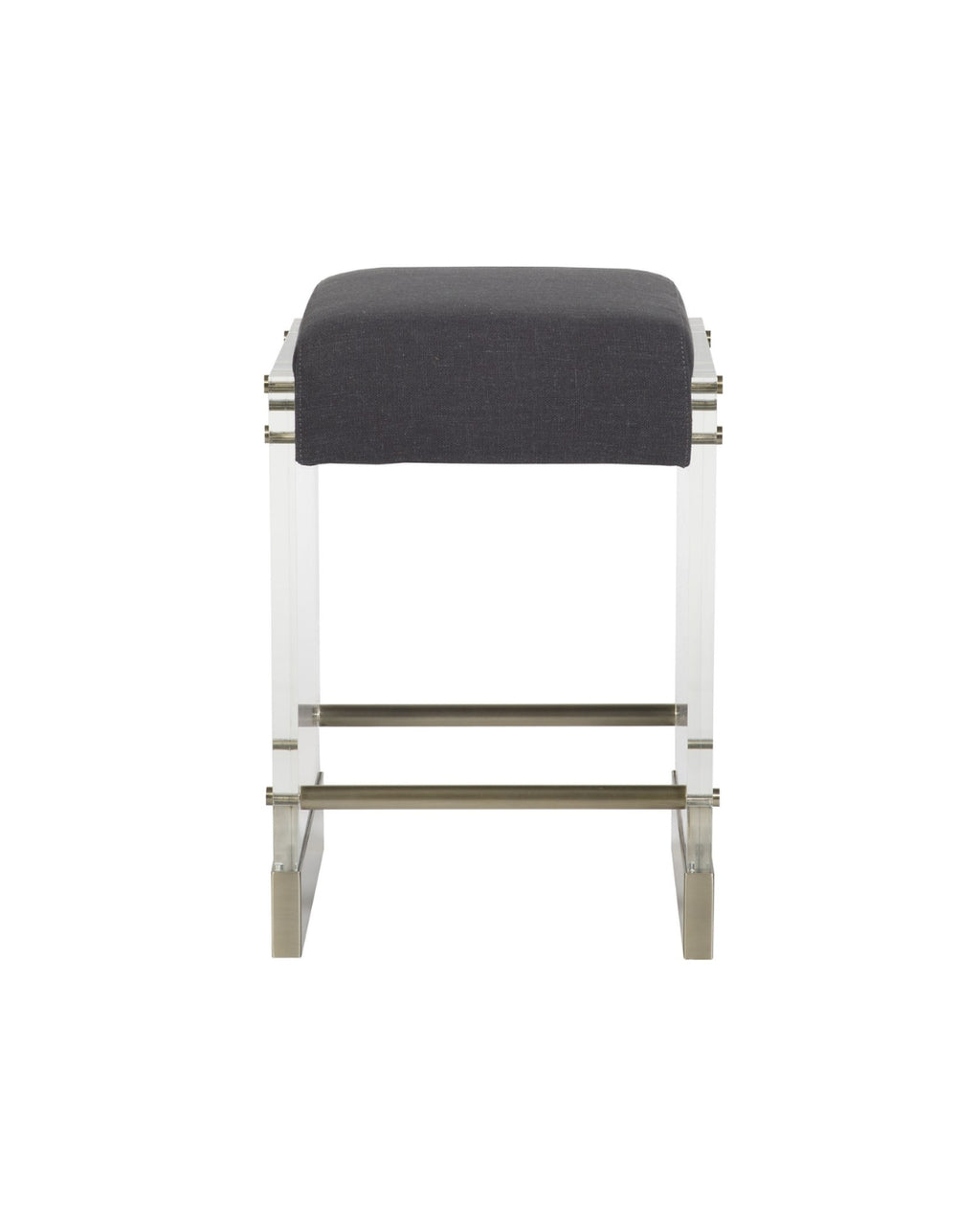
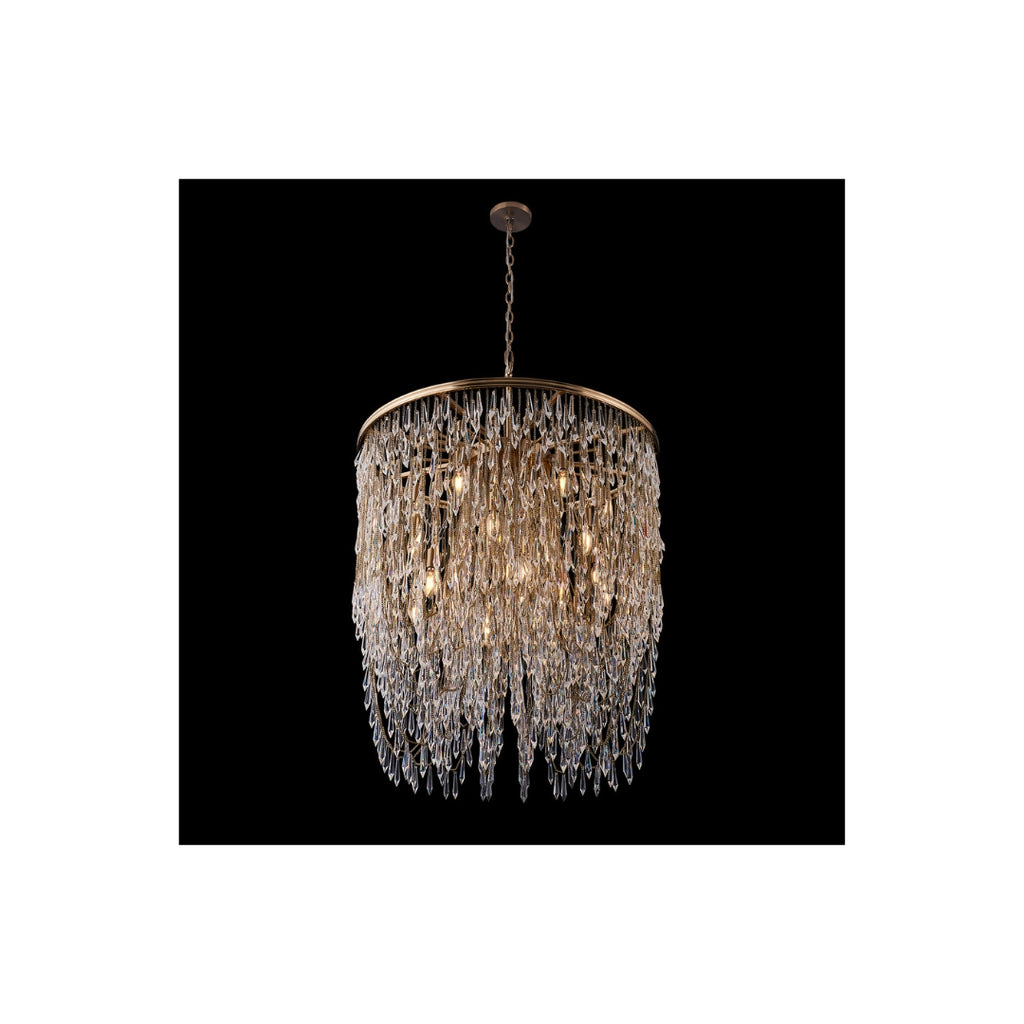
Glamour interior design makes no apology for its ambitions. The aesthetic is constructed from materials that command attention: plush velvet, polished brass and chrome, lacquered surfaces, and sculptural silhouettes. The style demands conviction rather than restraint and suits rooms where atmosphere and impression are the primary objectives. Every material and finish choice is intentional, contributing to a room that reads as fully considered from every angle, placing it among the most expressive different interior design styles Mobilart curates.
European interior design encompasses a family of aesthetics unified by material quality, craft tradition, and architectural proportion. Whether the reference is French classical symmetry, Nordic functional restraint, or the refined proportions of Southern European craft traditions, the common thread is furniture designed to endure across decades. The style values investment pieces over fashionable ones and grounds a room in cultural reference as much as in visual preference. This distinction is central to how Mobilart curates its European collection through long-standing relationships with international designers and suppliers, representing a genuine home interior design style with deep roots.
Transitional interior design occupies the space between traditional and contemporary. It draws the formal proportions and warm materials of classical design together with the cleaner lines and restrained decoration of modern aesthetics. The result suits homeowners who value heritage references and comfort but prefer rooms that feel current rather than period-specific. Transitional pieces tend toward neutral palettes, with texture and material quality doing the work that pattern once performed, placing it among the most widely adopted interior design style categories in Canadian residential interiors today.
Identifying a design style is a pattern recognition process, noticing consistent preferences in material, colour, and spatial atmosphere rather than selecting a label first. Collecting design references over several weeks reveals whether warmth or clarity, ornamentation or restraint, classical reference or contemporary form draws the eye most reliably. Mobilart’s design consultation uses this exact process with clients, translating observed preferences into specific furniture recommendations grounded in the curated collection, drawing on over 40 years of guiding clients through different interior design styles and the decisions that follow.
Interior design styles are best understood in three dimensions rather than on screen. The scale of a sofa, the texture of an upholstery, and the relationship between pieces in a configured room are only fully legible in person. Mobilart’s showroom at 8260 Devonshire, Mont-Royal presents furniture across all four style categories across over 25,000 square feet. A complimentary design consultation is available to translate style discovery into a specific room plan, connecting interior design style research to a finished, inhabitable room.
The most widely recognized interior design styles include contemporary, modern, glamour, European, and transitional, among others recognized across residential design. Of these, contemporary and transitional currently dominate residential interiors in Canada because they balance current visual preferences with long-term livability. Mobilart curates furniture across four of these categories: contemporary, modern, glamour, and European. Each is represented across all major room zones and available to experience in person at the showroom at 8260 Devonshire, Mont-Royal across over 25,000 square feet.
Modern refers to a specific historical design movement defined by function-first philosophy, honest materials, and minimal ornamentation. Contemporary describes what is visually current at any given moment and is therefore always shifting. Modern is a fixed point in design history while contemporary is a moving target. In practice, both share a preference for clean lines but differ in warmth, material range, and tolerance for decorative detail. Mobilart’s collection includes furniture from both traditions, available to compare in person at the showroom.
The most reliable approach is to observe which materials, colours, and furniture proportions draw consistent attention over time rather than selecting a label first. Once a pattern emerges, toward warmth and texture or clarity and restraint, classical reference or contemporary form, furniture selection follows more naturally. Mobilart’s design consultation structures this process deliberately, reviewing references and translating preferences into a specific furniture plan from the curated collection, connecting home interior design style discovery to an actionable room plan grounded in actual dimensions and conditions.
Mixing design styles is the basis of transitional interior design style and most successful residential interiors. The key is maintaining consistency in at least one element, whether material palette, finish family, or furniture scale, that holds the room together visually. Without a unifying thread, mixing styles produces rooms that feel unresolved rather than layered. Mobilart’s design team regularly helps clients combine pieces from different interior design style categories while preserving the visual coherence of the finished room, ensuring the result reads as intentional rather than assembled from unrelated directions.
Contemporary and modern styles are particularly well suited to smaller spaces because their preference for clean lines and restrained decoration reduces visual complexity. Furniture with elevated legs creates a sense of floor space. A limited, cohesive palette prevents the fragmentation that arises from too many competing colours or finishes. Mobilart’s design team regularly works with clients on proportional challenges, recommending pieces from the collection that preserve openness without compromising design quality or material standards across all types of styles in interior design.
This website uses cookies to ensure you get the best experience on our website.