Design scandinave vs. style italien
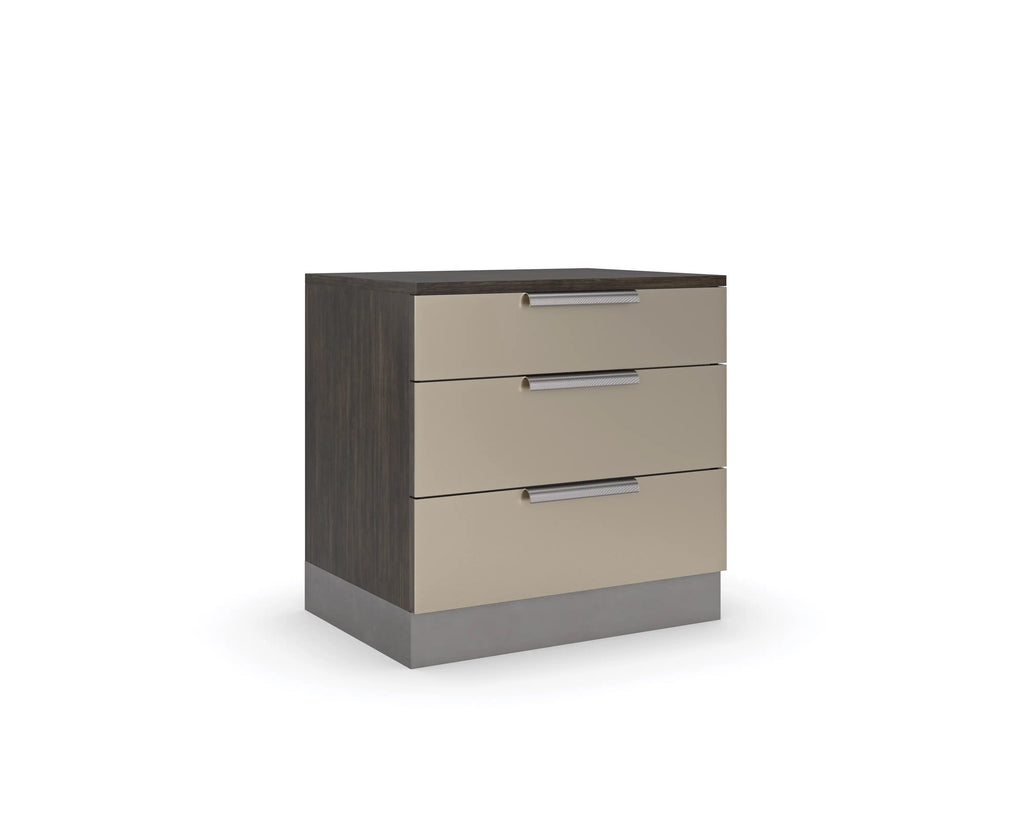
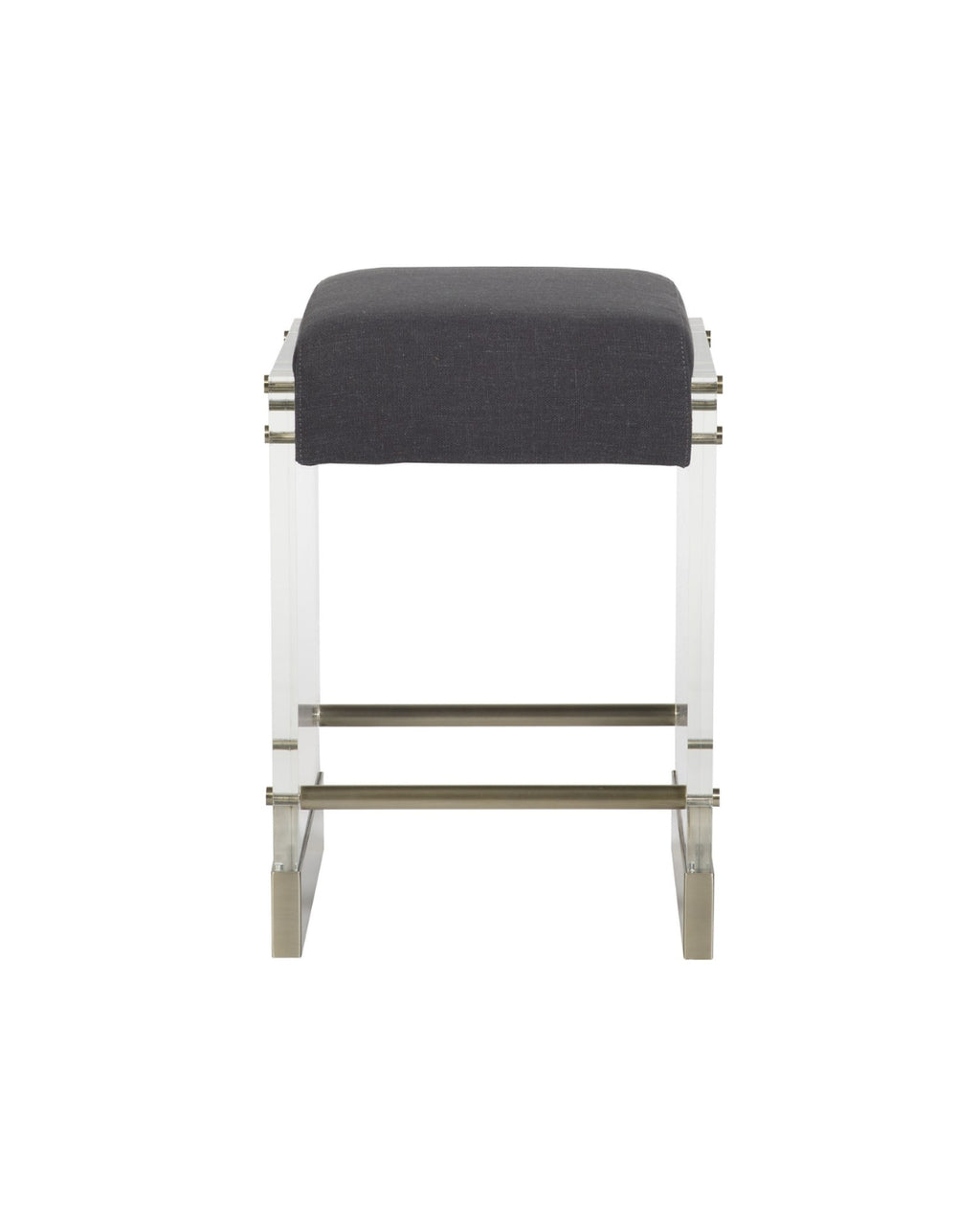
Parmi les traditions du mobilier européen au Canada, le contraste entre le design italien et le design scandinave est la comparaison que les acheteurs montréalais rencontrent le plus souvent. Le mobilier italien privilégie le luxe des matériaux, la présence architecturale et la finesse des détails, produisant des pièces qui occupent une pièce avec assurance et qui affirment un style délibéré. Le mobilier scandinave à Montréal attire les acheteurs qui apprécient la sobriété, les matériaux naturels chauds et un design qui se fond dans l'environnement plutôt que de s'imposer. Les deux traditions expriment l'artisanat différemment : l'Italie par la richesse et la complexité visuelle, la Scandinavie par la qualité de la simplicité de fabrication et l'intégration harmonieuse dans une pièce sans attirer l'attention.
Traditions du mobilier français et allemand
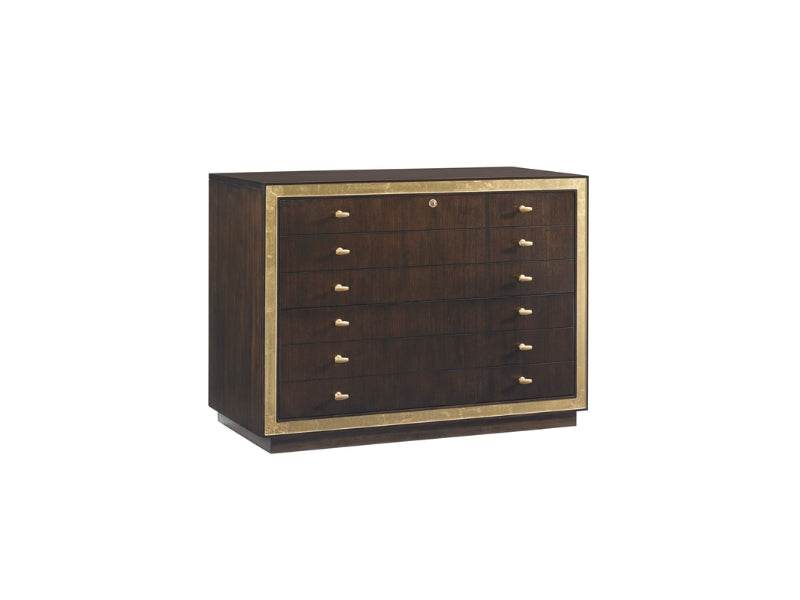
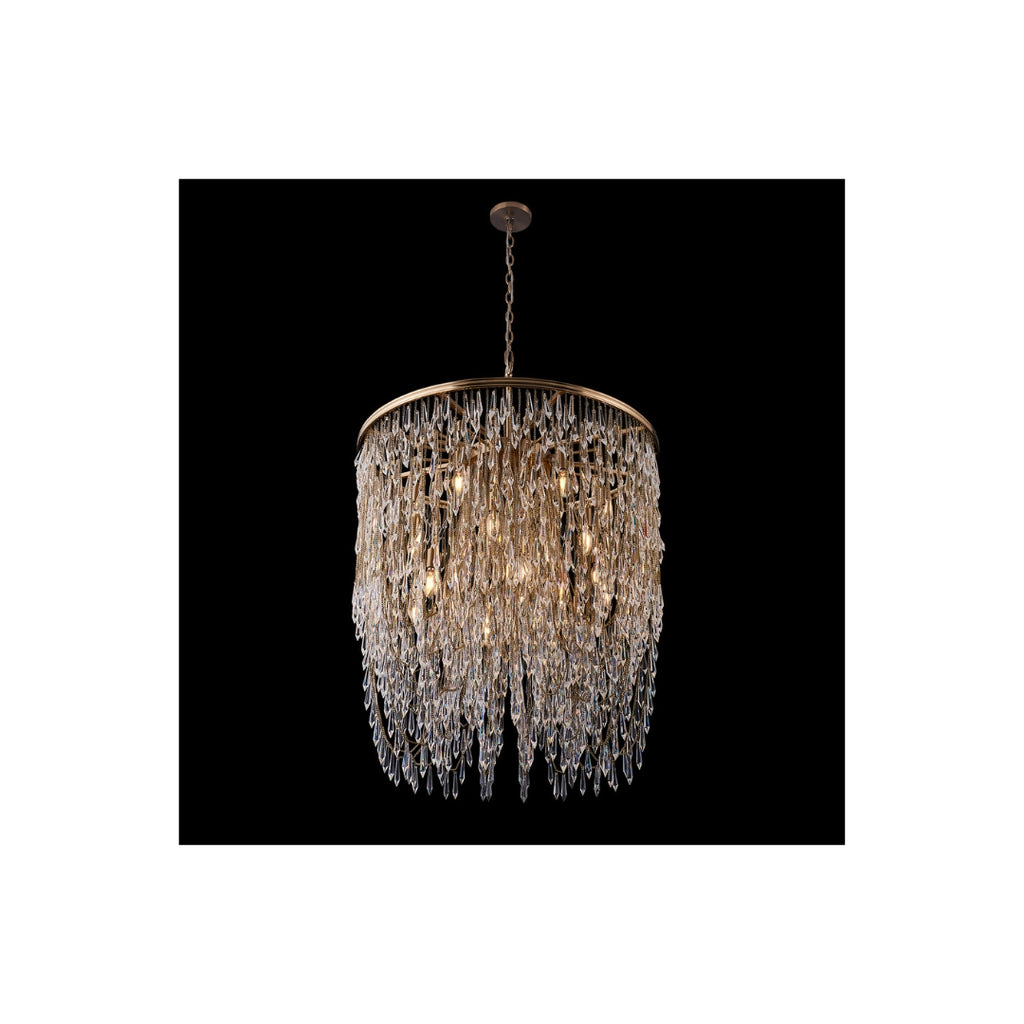
Le mobilier français occupe une position distincte dans le paysage européen, plus orné que le design italien contemporain et plus décoratif que les œuvres allemandes ou scandinaves. Les traditions Louis XVI, Rococo et Provinciale française privilégient les pieds galbés, les détails dorés, les finitions peintes pâles et une intimité d'échelle qui évoque le domestique plutôt que le grandiose. Le design de mobilier allemand se situe à l'extrémité opposée de ce spectre, privilégiant l'assemblage de précision, la géométrie nette et l'efficacité fonctionnelle. Les deux traditions influencent la conversation plus large du design européen et les deux apparaissent dans des collections de salles d'exposition bien organisées aux côtés des pièces italiennes.
Signatures matérielles à travers les traditions
Chaque tradition européenne possède une signature matérielle qui reflète ses priorités culturelles. Le mobilier italien au Canada est le plus souvent associé au cuir pleine fleur, au noyer européen massif et aux surfaces en marbre de Carrare. Les pièces scandinaves privilégient le chêne massif clair et le bouleau dans des finitions naturelles ou légèrement blanchies. Le mobilier français utilise historiquement du bois peint clair avec des accents de quincaillerie dorée. Le design allemand tend vers la précision technique, le bois dur stratifié, le métal thermolaqué et les textiles techniques. Un acheteur qui comprend ces signatures matérielles peut identifier la tradition d'une pièce en un coup d'œil et évaluer si la construction correspond à l'affirmation.
Architecture de Montréal et mobilier européen
Le choix entre le mobilier italien et d'autres traditions européennes prend un sens spécifique à Montréal car le parc immobilier de la ville est architecturalement diversifié. Un duplex patrimonial sur le Plateau avec des moulures d'époque et de hauts plafonds est un environnement naturel pour le mobilier classique italien ou français, où les détails ornés trouvent un accompagnement architectural dans la pièce elle-même. Un condo à aire ouverte plus récent à Griffintown demande la sobriété spatiale du design scandinave ou italien contemporain. Comprendre quelle tradition européenne a été historiquement conçue pour quelles proportions de pièces évite aux acheteurs des décalages esthétiques qu'aucun aménagement ne peut corriger.
Le mobilier italien sur le marché montréalais
Le mobilier italien à Montréal est disponible dans des salles d'exposition qui entretiennent des relations directes avec les fabricants italiens, ce qui constitue le modèle d'approvisionnement le plus fiable car il prend en charge la vérification de l'authenticité, les options de rembourrage sur mesure et le soutien de la garantie du fabricant. Le marché plus large du mobilier européen à Montréal comprend des pièces d'inspiration scandinave pour la vie en condo, des designs français et italiens d'inspiration classique pour les maisons patrimoniales, et la catégorie européenne contemporaine qui mêle des influences de multiples traditions. Une salle d'exposition organisée présente ces pièces côte à côte, ce qui reste le moyen le plus efficace pour un acheteur de comprendre les différences grâce à une comparaison directe des matériaux et des proportions.
Collection européenne et italienne de Mobilart
Le showroom Mobilart de 25 000 pieds carrés, situé au 8260 Devonshire, Mont-Royal, présente du mobilier italien et européen fait à la main dans toutes les catégories de pièces. Lacollection de mobilier européen à Montréalcomprend des pièces fabriquées en Italie ainsi que des designs d'origine européenne représentant chaque tradition couverte dans ce guide. L'environnement du showroom permet aux acheteurs d'évaluer des différences qu'un article de comparaison peut décrire mais que seul un espace physique peut démontrer, y compris le poids du matériau, la profondeur de la finition et l'échelle de la silhouette. Des consultations de design gratuites, disponibles en magasin ou virtuellement, aident les acheteurs à choisir entre les traditions en fonction de leurs pièces spécifiques et de leur contexte architectural.La livraison avec service de gants blancsest gratuite dans un rayon de 60 km au Canada, avec des frais appliqués au-delà de cette distance.
Esthétique classique vs. design européen contemporain
Le mobilier européen dans sa forme classique, le noyer sculpté de la Renaissance italienne, les armoires dorées du Baroque français, les chaises Chippendale anglaises, reste très pertinent dans les intérieurs patrimoniaux où le vocabulaire architectural correspond au registre visuel du mobilier. Le design européen contemporain emprunte la qualité des matériaux et les normes de construction de ces traditions tout en abandonnant leur ornementation historique. Un canapé italien contemporain ou une table à manger scandinave en 2026 reflète le même engagement envers l'artisanat qui caractérisait les ateliers européens du XVIIe siècle, exprimé par le minimalisme plutôt que la décoration. Le choix entre le classique et le contemporain au sein de la catégorie européenne est distinct du choix entre l'italien et les autres traditions nationales.