Les fondamentaux du design qui font le succès des salons
Avant de choisir les styles de mobilier ou les palettes de couleurs, il est essentiel de comprendre comment concevoir un salond'un point de vue fonctionnel. Une conception intérieure de salon réussie commence par la proportion, l'agencement et la circulation. Ces principes fondamentaux guident chaque espace réussi, quel que soit le style.
Les salons bien conçus équilibrent l'ouverture et le confort. Le placement des meubles, la circulation et les points focaux déterminent l'ambiance de la pièce et la manière dont les gens interagissent en son sein. Ignorer ces fondamentaux aboutit souvent à des pièces qui semblent attrayantes en photo, mais qui sont inconfortables ou encombrées au quotidien.
Équilibrer l'échelle et la proportion
L'échelle et la proportion définissent la relation entre le mobilier et la pièce, ainsi qu'entre les meubles eux-mêmes. Des sièges surdimensionnés dans un espace compact peuvent submerger la pièce, tandis que des meubles sous-dimensionnés dans un grand salon peuvent sembler décousus et temporaires.
Commencez par mesurer soigneusement la pièce, y compris la longueur des murs, l'emplacement des fenêtres et la hauteur sous plafond. Laissez suffisamment d'espace négatif pour que la pièce puisse respirer. L'espace négatif n'est pas un espace vide. Il permet aux éléments de design de se démarquer et prévient la fatigue visuelle.
Dans les grandes pièces, des pièces maîtresses telles que de vastes canapés ou de solides tables basses aident à ancrer l'espace. Dans les petites pièces, des profils plus fins et des meubles à pieds surélevés maintiennent l'ouverture sans sacrifier le confort.
Créer un flux visuel et des points focaux
Chaque salon réussi possède un point focal qui ancre l'agencement. Il peut s'agir d'une cheminée, d'une grande fenêtre avec vue, de détails architecturaux ou d'un mur média. Le mobilier doit être orienté autour de ce point focal plutôt que de rivaliser avec lui.
Le flux visuel guide naturellement le regard à travers la pièce. Les tapis, l'éclairage et le placement des meubles doivent subtilement diriger le mouvement tout en maintenant des passages clairs. Évitez de bloquer la lumière naturelle ou d'interrompre les lignes de vue, car ces éléments contribuent de manière significative à la sensation d'espace et d'accueil d'une pièce.
Idées de design de salon moderne
Les idées de design de salon moderne mettent l'accent sur la clarté, l'intention et la retenue. Des lignes épurées, des matériaux réfléchis et un mobilier bien choisi définissent les intérieurs contemporains qui procurent une sensation de calme et d'expressivité.
Le design moderne fonctionne aussi bien dans les petites résidences urbaines que dans les grandes maisons à concept ouvert. Son adaptabilité réside dans la priorité donnée à la fonction sans sacrifier l'attrait esthétique.
Le salon moderne minimaliste
Les salons modernes minimalistes se concentrent sur moins de pièces, mais plus impactantes. Chaque élément a un but, et l'ornementation excessive est évitée.
Les palettes neutres dominent, souvent construites autour de blancs doux, de taupes chauds ou de gris sourds. La texture remplace le motif, utilisant des matériaux tels que le cuir, la laine, le bois et la pierre pour créer de la profondeur sans encombrement visuel.
La sélection de meubles est organisée plutôt qu'abondante. Un canapé sculptural unique, associé à des fauteuils épurés et une table basse raffinée, établit l'équilibre et la cohésion. Les étagères ouvertes et le rangement dissimulé soutiennent l'approche minimaliste tout en maintenant la fonctionnalité.
Salons éclectiques modernes
Les espaces éclectiques modernes mélangent le mobilier contemporain avec des éléments artisanaux ou vintage. Cette approche permet à la personnalité d'émerger tout en préservant une base propre.
Des bases neutres fournissent une structure, tandis que des accents audacieux introduisent un contraste à travers des œuvres d'art, des coussins ou des fauteuils d'appoint. Des textures superposées, comme le métal aux côtés du bois naturel ou le béton associé à des textiles doux, améliorent l'intérêt visuel.
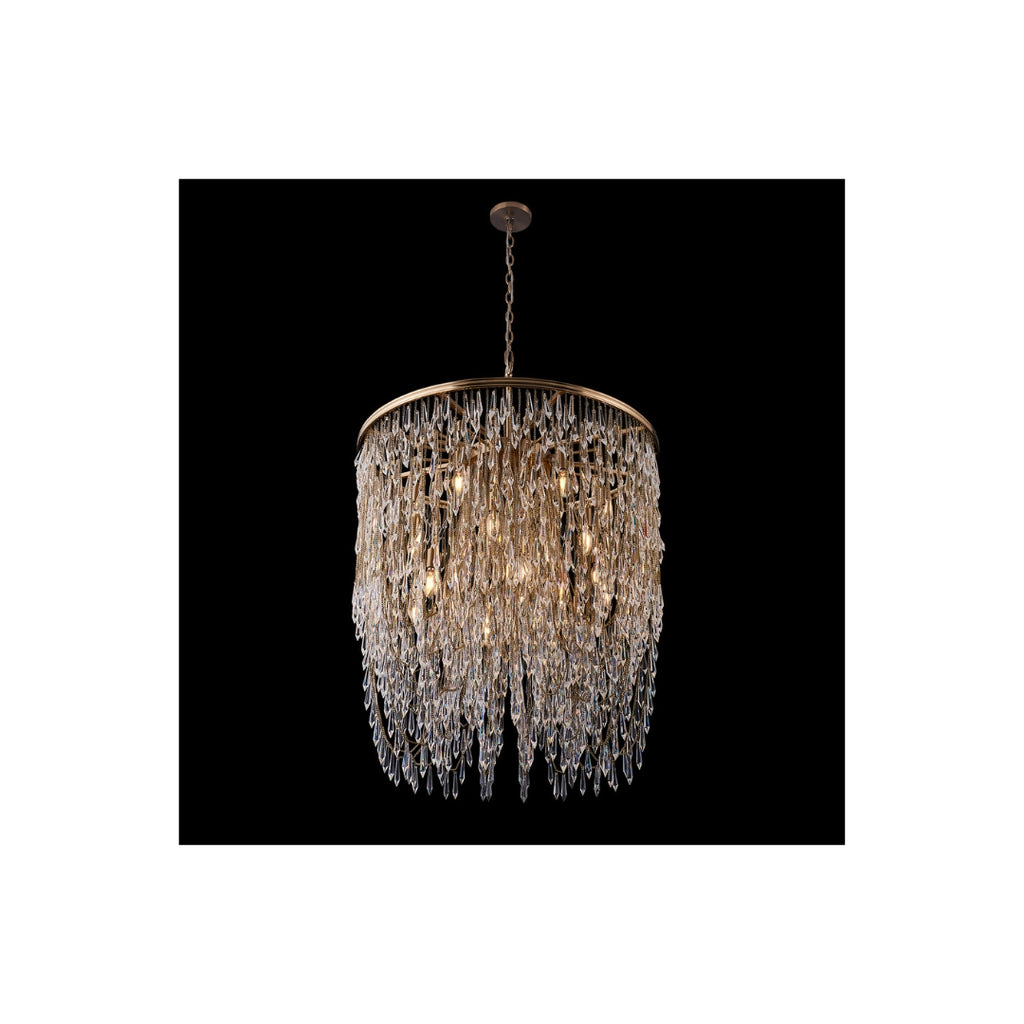
L'éclairage joue un rôle crucial dans les intérieurs éclectiques modernes. Les luminaires sculpturaux agissent comme des déclarations de design tout en renforçant les lignes architecturales de la pièce.
Designs de salon traditionnel et transitoire
Le design de salon traditionnel met l'accent sur la symétrie, l'artisanat et les formes intemporelles. Les intérieurs transitoires combinent l'élégance classique avec la simplicité moderne, offrant une flexibilité pour les goûts évolutifs.
Ces styles séduisent les propriétaires à la recherche de chaleur et de familiarité sans sacrifier la pertinence ou la sophistication.
Élégance traditionnelle classique
Les salons traditionnels reposent sur des agencements structurés et des silhouettes de mobilier raffinées. Les sièges sont souvent disposés symétriquement, créant une sensation de formalité et d'équilibre.
Des palettes de couleurs riches définissent l'atmosphère, incorporant des tons de bijoux, des neutres superposés et des tissus texturés. Le rembourrage présente souvent des détails sur mesure, tandis que les finitions en bois ajoutent de la profondeur et du caractère.
L'éclairage rehausse le sens de l'occasion. Les lustres,les lampes de tableet les appliques murales travaillent ensemble pour créer un éclairage superposé qui est accueillant plutôt qu'orné.
Confort transitionnel : mélanger l'ancien et le nouveau
Les salons transitionnels adoucissent les éléments traditionnels avec des lignes contemporaines. Le mobilier peut présenter des proportions classiques mais avec des détails simplifiés.
Les tons de bois mélangés et l'ornementation sobre évitent que l'espace ne paraisse démodé. Le rembourrage privilégie les tissus neutres, permettant à la forme et à la texture de prendre le pas sur le motif.
Cette approche crée des pièces qui semblent adaptables et durables, faisant du design transitionnel un choix populaire pour la vie à long terme.
Palettes de couleurs et traitements muraux
La sélection des couleurs influence considérablement la sensation et la fonction d'un salon. Une application réfléchie de la théorie des couleurs assure l'harmonie, l'équilibre et la longévité dans les idées de design de salon.
Les murs, les finitions et les tons d'accent travaillent ensemble pour définir l'ambiance et l'échelle perçue de la pièce.
Construire une palette de couleurs cohérente
Une palette cohérente suit souvent une approche 70-20-10. La couleur dominante occupe la majeure partie de l'espace, généralement à travers les murs et les grands meubles. Une couleur secondaire ajoute de la profondeur à travers le rembourrage ou les tapis. Les couleurs d'accent introduisent de la personnalité à travers les accessoires et les œuvres d'art.
Les schémas monochromatiques créent une élégance raffinée, tandis que les couleurs analogues améliorent l'harmonie. Les accents complémentaires offrent un contraste lorsqu'ils sont utilisés avec parcimonie.
L'éclairage affecte l'apparence des couleurs tout au long de la journée. Tester des échantillons sous lumière naturelle et artificielle assure la cohérence et prévient les changements inattendus.
Papier peint, peinture et traitements architecturaux
Les designs de papier peint pour salon vont des textures subtiles aux déclarations graphiques audacieuses. Les papiers peints modernes présentent souvent des motifs organiques, des formes géométriques ou des finitions métalliques subtiles.
Les murs d'accent peuvent définir des points focaux sans submerger la pièce. Les boiseries, le lambris et les moulures architecturales ajoutent de la dimension et du caractère, en particulier dans les espaces transitionnels et traditionnels.
Les traitements muraux texturés créent un intérêt visuel tout en maintenant une esthétique sobre, soutenant à la fois les intérieurs modernes et classiques.
Sélection et agencement des meubles pour le design du salon
Les choix de mobilier transforment l'inspiration du design en un environnement de vie fonctionnel, où le confort, la durabilité et la cohérence visuelle s'harmonisent parfaitement. Les stratégies de conception efficaces pour les salons commencent par l'identification de pièces d'ancrage solides, en veillant à ce que l'échelle des meubles corresponde aux proportions de la pièce, et en sélectionnant des matériaux qui équilibrent l'esthétique et la longévité.
Le canapé sert généralement de pièce d'ancrage principale dans la plupart des salons, car sa taille, sa forme et son matériau donnent le ton à l'ensemble de l'espace. Les canapés modulaires conviennent bien aux agencements ouverts et aux maisons familiales, offrant des sièges flexibles et une atmosphère dététendue, tandis que les canapés traditionnels offrent polyvalence et structure dans des pièces plus formelles ou clairement définies. La sélection des matériaux joue un rôle clé dans l'apparence et l'entretien, le cuir offrant durabilité et une patine naturelle au fil du temps, et le tissu offrant douceur, texture et une plus grande variété de couleurs.
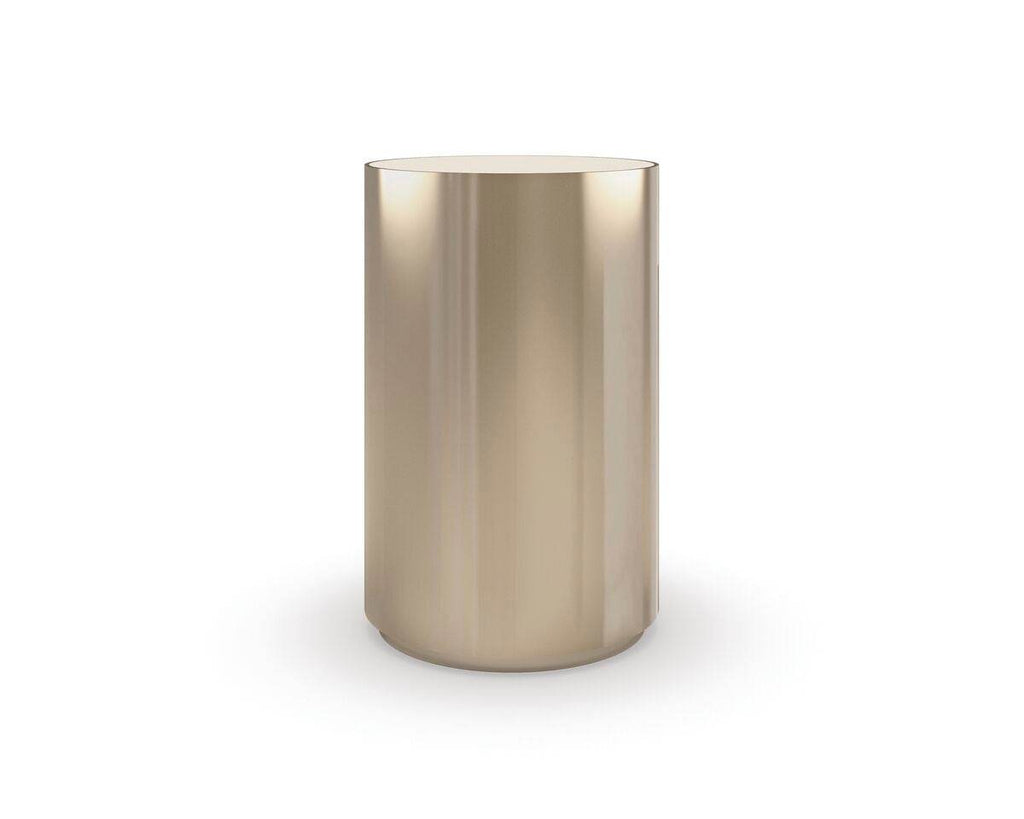
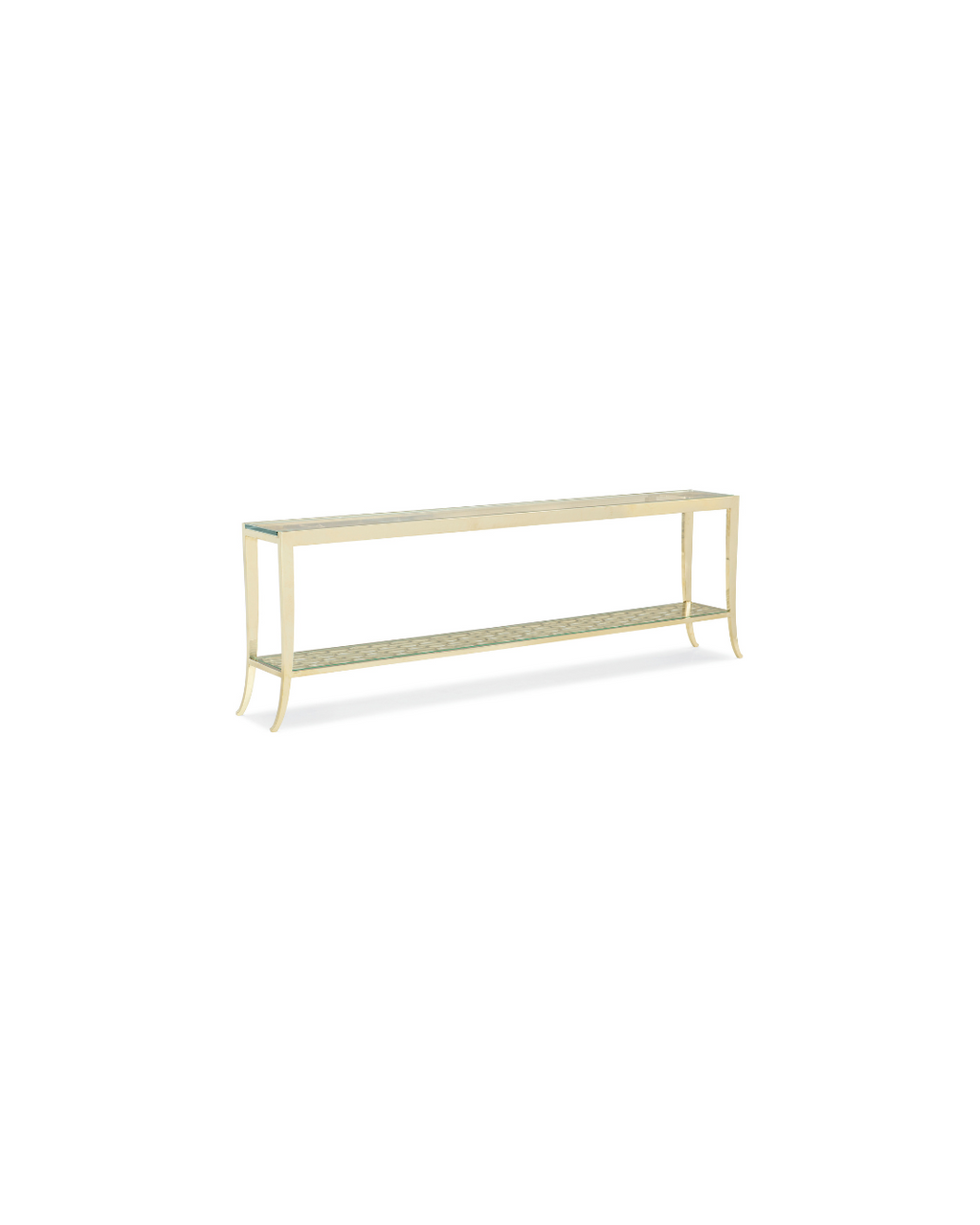
Les tons neutres ont tendance à favoriser une adaptabilité à long terme, tandis qu'un revêtement d'ameublement audacieux peut être utilisé intentionnellement pour définir le caractère de la pièce. Une fois les pièces d'ancrage établies, l'agencement des meubles doit encourager la conversation sans obstruer la circulation. Les agencements flottants aident à créer une intimité dans les grands espaces, tandis que le placement le long des murs est souvent plus pratique dans les pièces compactes. Les distances entre les sièges doivent être naturelles et confortables, avec des tables basses et des tables d'appoint positionnées pour un accès facile sans encombrement.
Dans les grands salons, la création de plusieurs zones de sièges ajoute un intérêt visuel et une flexibilité fonctionnelle, permettant à l'espace de s'adapter sans effort à la vie quotidienne et aux réceptions.
Choisir la bonne taille de tapis pour votre salon
Aucune liste d'idées de design de salon n'est complète sans la taille du tapis, car un tapis sous-dimensionné est l'une des erreurs de style les plus courantes. Choisissez un tapis suffisamment grand pour que les pieds avant de votre canapé et de vos chaises puissent reposer dessus, ce qui ancre l'espace de vie plutôt que de le laisser flotter. La plupart des salons conviennent à un tapis de 8 sur 10 ou 9 sur 12 pieds, tandis que les petites pièces fonctionnent souvent mieux avec une taille de 6 sur 9 pieds.
Solutions pour petits espaces et salons maximalistes
La conception de stratégies de salon pour les espaces compacts exige de la précision. L'échelle des meubles, l'agencement et les astuces visuelles maximisent l'utilisabilité sans sacrifier le style.
Les couleurs claires, les miroirs et les rangements verticaux augmentent l'espace perçu. Les meubles multifonctionnels favorisent la flexibilité, tandis que les agencements flottants maintiennent l'ouverture.
Les approches maximalistes reposent sur une superposition intentionnelle plutôt que sur l'accumulation. Un placement stratégique prévient la surcharge visuelle tout en célébrant la personnalité.
Comment appliquer le design de salon à votre maison : une perspective client pratique
Le passage de l'inspiration à la mise en œuvre semble souvent accablant. Les projets réussis commencent par la clarté.
Les tableaux d'ambiance et les évaluations de style aident à définir la direction. Investir d'abord dans les pièces maîtresses établit une structure, permettant au décor d'évoluer avec le temps.
Les indicateurs de qualité tels que la construction, les matériaux et l'artisanat guident les décisions d'achat. Les approches échelonnées réduisent la pression et permettent une curation réfléchie.
Un approvisionnement cohérent minimise les regrets, garantissant que les pièces s'harmonisent plutôt que de se faire concurrence.