Qu'est-ce qu'une commode large ou double
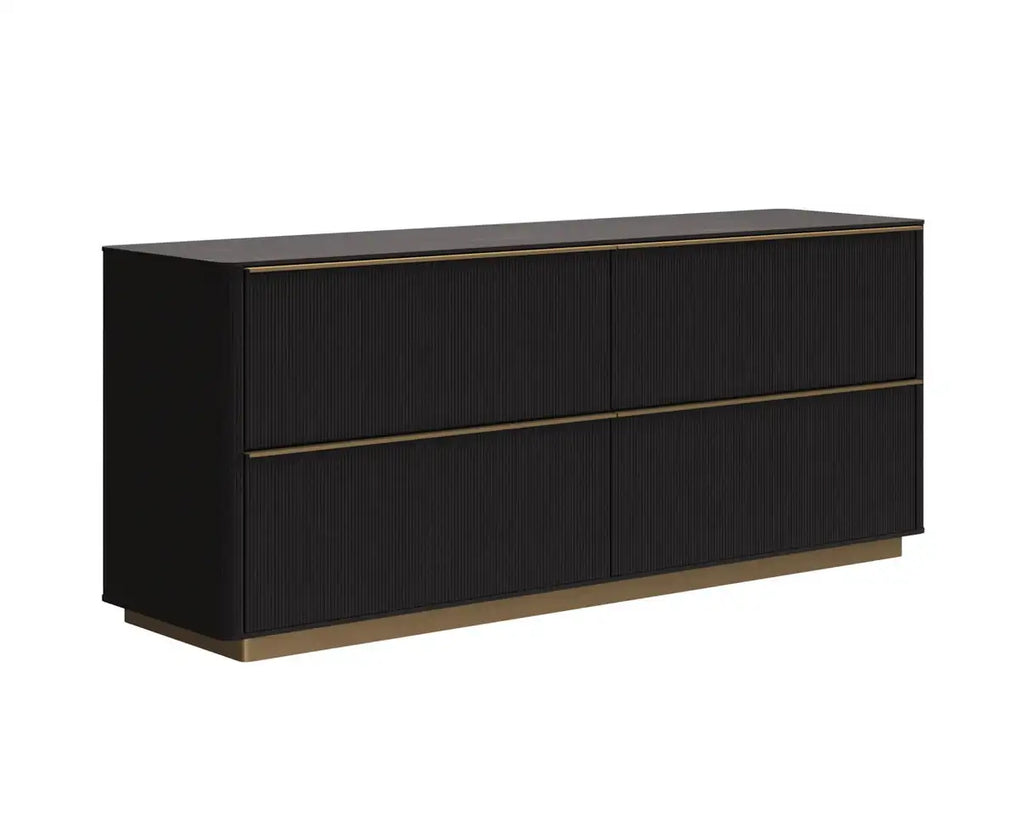
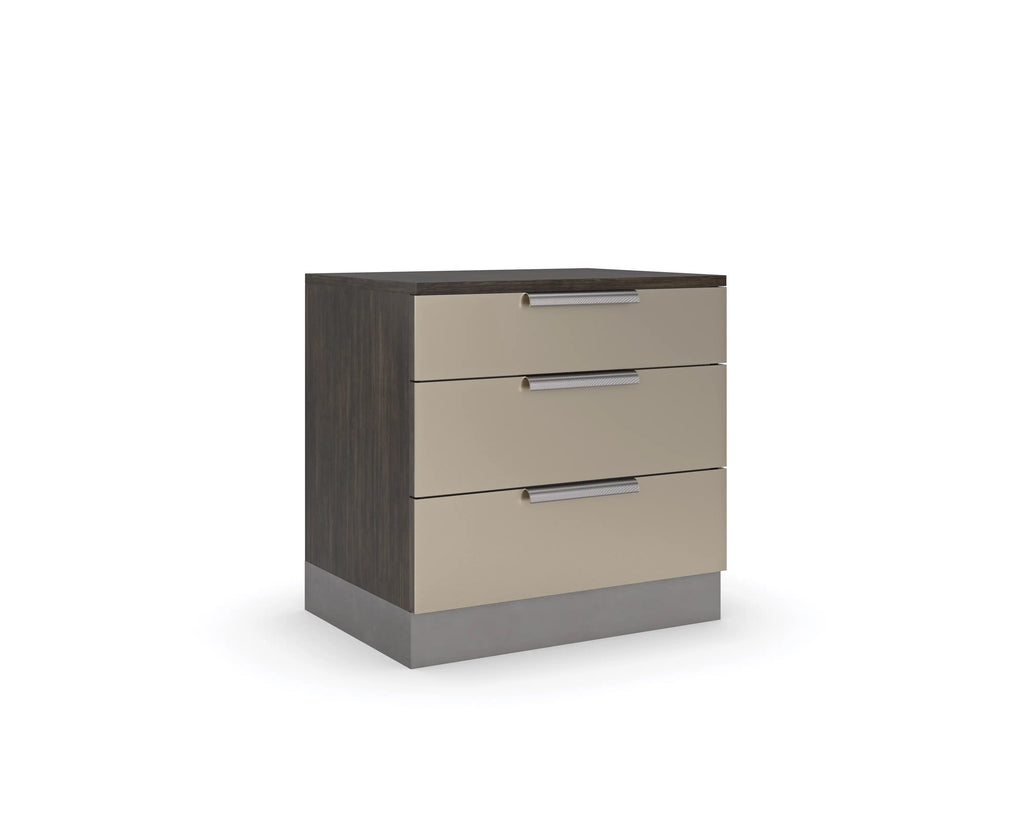
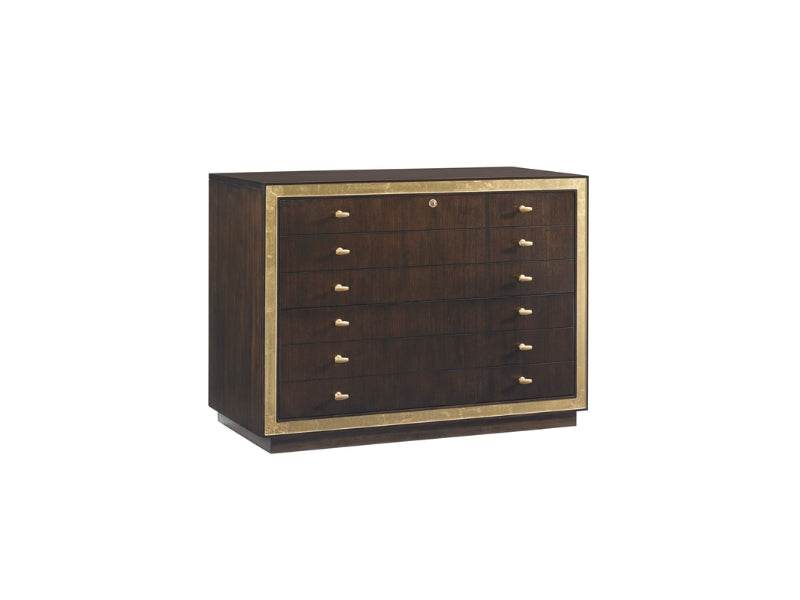
Une commode large ou horizontale est conçue selon un profil bas et large. Une commode double, le format le plus courant dans cette catégorie, mesure généralement de 36 à 50 pouces de hauteur et de 58 à 72 pouces de largeur, avec deux colonnes de tiroirs symétriques pour un rangement équitable côte à côte. Les commodes basses se situent à l'extrémité compacte de la gamme horizontale, généralement moins de 36 pouces de hauteur, et sont le format le plus associé au design de chambre contemporain, scandinave et minimaliste, où le profil visuel bas garde la pièce ouverte et dégagée.
L'avantage du design d'une surface de commode large
L'avantage principal du design d'une commode large est sa surface. Le plateau large et bas crée un plan horizontal naturel pour un miroir au-dessus, une paire de lampes ou un arrangement artistique encadré, permettant à la commode de faire partie de la composition générale de la pièce d'une manière que la surface plus élevée d'une commode haute ne peut pas. Une commode double ancre également un mur de chambre différemment, s'étendant horizontalement pour ancrer la pièce et créer un point focal fort lorsqu'elle est associée à un miroir ou à une œuvre d'art placée au-dessus.
Choisir une commode pour une petite chambre
Dans une petite chambre, la commode haute résout la question du rangement le plus efficacement. Son encombrement réduit, généralement de 30 à 36 pouces de large, permet un placement dans un coin, le long d'une porte ou entre des meubles sans consommer une largeur de mur significative. Les chambres de condo montréalaises dans des quartiers comme Griffintown et Mile-Ex sont souvent de taille compacte, où une commode haute laisse un dégagement adéquat pour un lit, des tables de nuit et la circulation, tandis qu'une commode large peut éliminer complètement la flexibilité de l'ameublement.
Choisir une commode pour une chambre principale
Dans une chambre principale ou une suite spacieuse, une commode large ou double est la pièce d'ancrage naturelle. Elle remplit un long mur proportionnellement, crée une surface généreuse pour la composition secondaire de la pièce et offre le rangement qu'une chambre partagée exige en une seule pièce cohérente. À Outremont, Westmount et dans les maisons montréalaises plus anciennes où les chambres principales ont tendance à être plus généreuses, une commode double sous un miroir surdimensionné crée une composition de chambre classique qui ancre véritablement la pièce.
Une ou deux commodes pour une chambre partagée
La décision entre une commode haute et une commode large change à nouveau lorsque deux personnes partagent une chambre et que chacune souhaite un rangement dédié. Plutôt qu'une seule commode double plus grande, certains couples choisissent deux commodes hautes assorties positionnées sur des murs opposés ou flanquant une fenêtre, donnant à chaque personne une zone de rangement privée et symétrique. Cette approche du rangement de chambre partagée fonctionne particulièrement bien dans les chambres principales avec suffisamment de longueur de mur pour supporter deux commodes sans encombrer la circulation de la pièce ou concurrencer le lit pour le poids visuel.
Hauteur de plafond et proportion de la commode
La hauteur du plafond influe directement sur le format de la commode haute. Une commode haute ou une commode à tiroirs dans une pièce avec des plafonds de 9 pieds ou plus semble proportionnée et intentionnelle sur le plan architectural. Dans une pièce avec des plafonds standard de 8 pieds, la même pièce peut sembler oppressante. Un format vertical crée également un effet de design utile dans les pièces avec des plafonds plus bas : la pièce étroite et haute attire le regard vers le haut et donne l'impression que le plafond est légèrement plus haut, ajoutant un volume perçu sans nécessiter de modifications structurelles à l'espace.
De combien de tiroirs avez-vous réellement besoin
La question la plus utile avant de choisir entre les formats n'est pas la quantité de rangement que vous voulez, mais le nombre de tiroirs que vous utilisez et la taille dont ils ont besoin. Un occupant seul avec une garde-robe modérée a généralement besoin de cinq à six tiroirs pour les vêtements pliés, ce qu'une commode haute standard offre sans l'encombrement au sol d'une pièce large. Un couple partageant une commode a généralement besoin de six à neuf tiroirs, ce qui fait de la commode double à deux colonnes le format naturel pour ce scénario.
Profondeur des tiroirs et compatibilité avec la garde-robe
La profondeur des tiroirs compte autant que leur nombre. Les tiroirs profonds avec une profondeur intérieure de 18 pouces ou plus peuvent accueillir des pulls, des jeans et des pantalons pliés sans compression ; les tiroirs peu profonds de 12 à 15 pouces conviennent aux sous-vêtements, aux chaussettes et aux accessoires. Une commode avec un mélange de profondeurs de tiroirs gère une garde-robe complète plus efficacement qu'une commode configurée uniformément. Les acheteurs qui gardent la plupart de leurs vêtements dans une armoire et utilisent la commode pour le surplus peuvent trouver trois à quatre tiroirs dans une commode basse tout à fait suffisants pour leurs besoins.