Les origines du style transitionnel
Les origines du style transitionnel sont ancrées dans des changements culturels vers le confort, la praticité et la retenue. Alors que les modes de vie devenaient moins formels et les maisons de plus en plus multifonctionnelles, les priorités de conception ont évolué. Les gens voulaient des intérieurs accueillants et habitables sans sacrifier l'élégance.
Le design transitionnel a gagné en popularité lorsque les propriétaires ont commencé à mélanger des meubles hérités ou traditionnels avec des pièces plus récentes et aux lignes plus épurées. Les designers ont reconnu ce mélange organique et l'ont raffiné en une approche cohérente. Au fil du temps, le design intérieur transitionnel s'est défini non pas par des époques spécifiques, mais par sa capacité à faire le pont entre elles.
Sa pertinence continue réside dans cette adaptabilité. À mesure que les goûts changent et que de nouveaux matériaux émergent, le design transitionnel absorbe l'innovation tout en maintenant une base visuelle stable. Cette flexibilité garantit qu'il reste contemporain sans devenir démodé.
Caractéristiques clés qui définissent le design intérieur transitionnel
Le design intérieur transitionnel est défini par une série de caractéristiques visuelles et conceptuelles qui fonctionnent ensemble comme un système cohérent. Plutôt que de s'appuyer sur des déclarations audacieuses ou un excès décoratif, il met l'accent sur l'équilibre, la proportion et la retenue intentionnelle.
L'une des caractéristiques les plus reconnaissables est l'utilisation de lignes épurées adoucies par des détails subtils. Les silhouettes des meubles sont épurées, mais non sévères. Les bords peuvent être légèrement incurvés, les profils raffinés et l'ornementation minimale. Cette approche évite la rigidité du pur minimalisme tout en évitant la décoration lourde.
Une base de couleurs neutres est une autre caractéristique. Les espaces transitionnels s'appuient généralement sur des neutres chauds qui créent une cohésion et une longévité. Ces palettes servent de toile de fond à la texture et à la forme, permettant aux matériaux et au savoir-faire d'occuper le devant de la scène.
L'équilibre visuel est atteint par une composition réfléchie plutôt que par la seule symétrie. Les arrangements asymétriques sont courants, à condition qu'ils semblent intentionnels et proportionnés. L'objectif est le calme visuel, et non une formalité stricte.
Les intérieurs transitionnels présentent souvent un mélange de pièces traditionnelles et contemporaines qui partagent des fils conducteurs communs. Cela peut inclure des matériaux similaires, des finitions cohérentes ou des proportions alignées. L'accent est mis sur l'harmonie plutôt que sur le contraste pour le contraste.
La qualité et la longévité sont prioritaires sur la quantité. Moins de pièces sont choisies, mais chacune joue un rôle clair. Les meubles et la décoration sont sélectionnés pour leur attrait durable plutôt que pour leur nouveauté, renforçant la nature intemporelle du style.
L'espace négatif est traité comme un élément de design actif. Les zones ouvertes permettent à l'œil de se reposer et donnent à chaque pièce de l'espace pour respirer. Cette retenue évite la surcharge visuelle et améliore l'impact des meubles soigneusement choisis.
La superposition de textures remplace l'ornementation lourde. Des textiles doux, des matériaux naturels et de subtiles variations de finition ajoutent de la profondeur et de la chaleur sans dépendre du motif ou des détails excessifs.
Les pieds de meubles dans le design transitionnel sont souvent droits, fuselés ou légèrement incurvés. Ces détails font subtilement le pont entre l'artisanat traditionnel et la simplicité moderne.
Surtout, le design intérieur transitionnel met l'accent sur la beauté fonctionnelle. Chaque élément sert à la fois un but esthétique et pratique, soutenant la vie quotidienne tout en maintenant un équilibre visuel raffiné.
Éléments de design essentiels
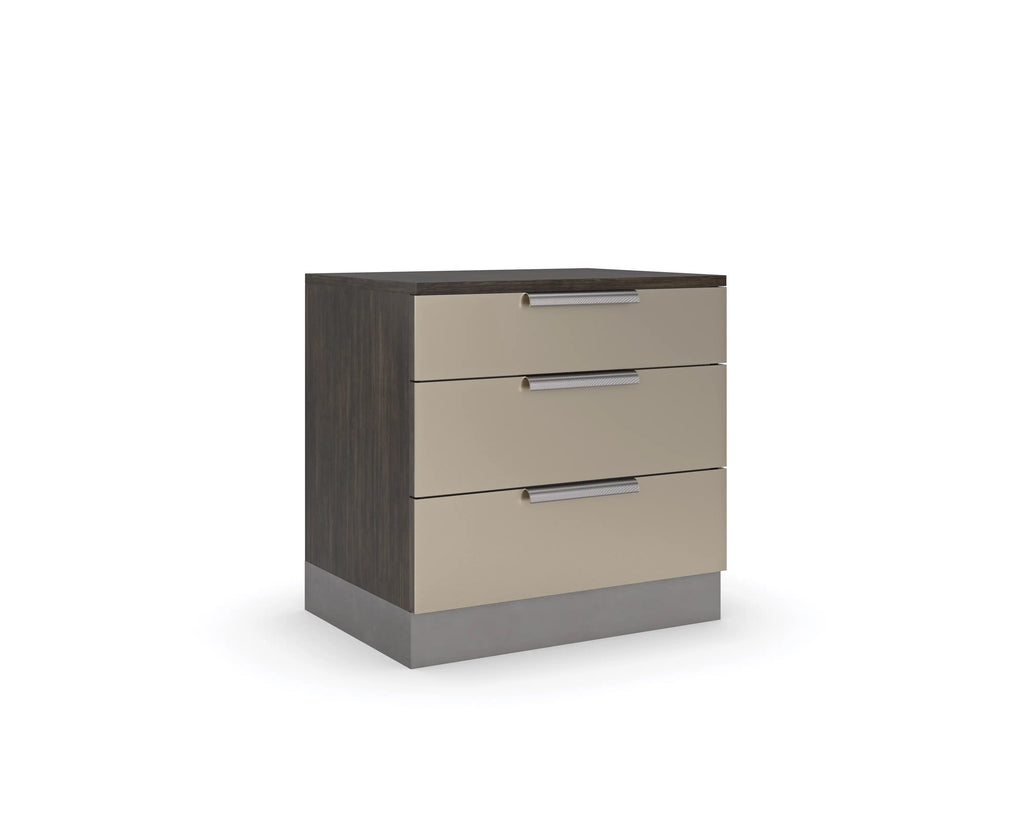
Les silhouettes de meubles dans les intérieurs transitionnels privilégient les profils épurés aux bords adoucis. Les canapés,les chaises et les tables évitent les sculptures ou les embellissements excessifs, s'appuyant plutôt sur la proportion et la qualité des matériaux pour leur présence.
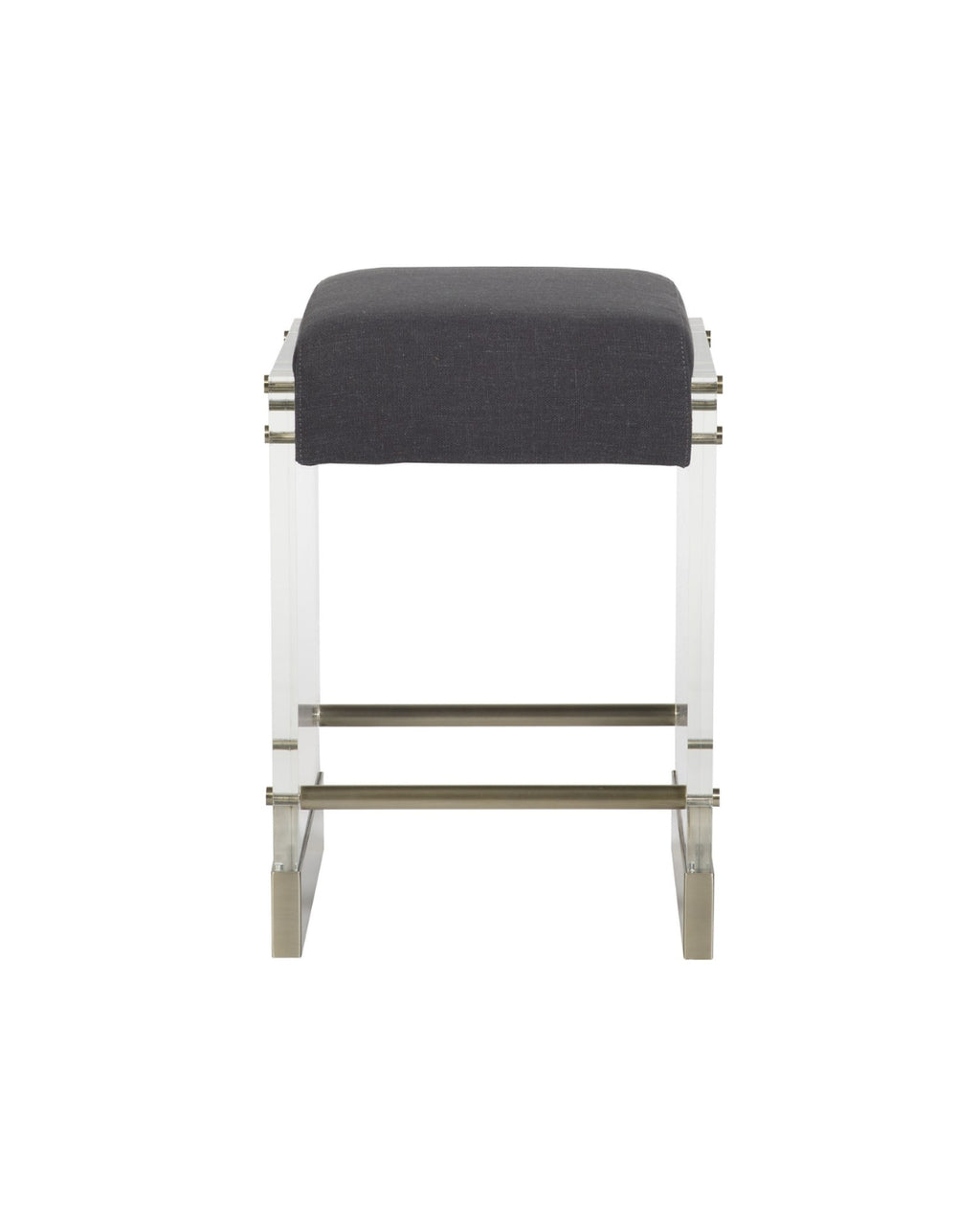
Les combinaisons de matériaux jouent un rôle essentiel. Le bois est souvent associé au métal ou au verre pour équilibrer la chaleur et la légèreté. Le rembourrage ajoute de la douceur, tandis que la pierre ou la céramique introduit de la structure.
La quincaillerie est sélectionnée avec retenue. Les finitions sont cohérentes et discrètes, favorisant la cohésion plutôt que d'attirer l'attention.
La proportion et l'échelle guident chaque décision. Les pièces sont choisies pour s'adapter aux dimensions de la pièce et au contexte architectural, assurant confort et harmonie visuelle.
Ces éléments fonctionnent comme un système. Lorsqu'ils sont alignés, ils créent un espace qui semble intentionnel, équilibré et durable.
Le pouvoir de la retenue dans les espaces transitionnels
La retenue est un principe fondamental du design intérieur transitionnel. Plutôt que de remplir un espace, l'accent est mis sur la curation. Chaque article gagne sa place par sa fonction, sa qualité ou sa contribution visuelle.
L'espace négatif devient un outil d'accentuation. En permettant un espace de respiration, le design met en valeur le savoir-faire et la forme.
Cette approche réduit la fatigue décisionnelle et l'encombrement visuel. La superposition par la texture, l'éclairageet le contraste subtil remplace la décoration excessive, maintenant l'intérêt sans submerger.
Palettes de couleurs et textures : créer de la profondeur sans ornementation
La couleur et la texture sont essentielles au design intérieur transitionnel, apportant profondeur et chaleur tout en maintenant le calme visuel. Plutôt que de s'appuyer sur des motifs audacieux ou des schémas à fort contraste, les intérieurs transitionnels utilisent des neutres superposés et des matériaux tactiles pour créer de l'intérêt.
Une base neutre ancre l'espace. Les choix courants incluent le greige, le gris doux, le blanc chaud, le taupe et le beige. Ces tons créent une cohésion et permettent une flexibilité à mesure que les goûts évoluent. Ils vieillissent également avec grâce, favorisant une valeur de design à long terme.
Les neutres fonctionnent parce qu'ils mettent en évidence la forme et la texture plutôt que de les concurrencer. Dans les intérieurs transitionnels, les silhouettes de meubles, les matériaux et le savoir-faire deviennent des points focaux sur un fond discret.
Les couleurs d'accentuation sont introduites avec parcimonie. Des tons bijou atténués, des bleus doux et des terres cuites chaudes peuvent ajouter de la personnalité sans perturber l'équilibre. Ces accents se trouvent souvent dans les textiles, l'art ou les petits accessoires plutôt que sur les surfaces dominantes.
La texture remplace le motif comme principale source de profondeur. La superposition de bois, de lin, de velours, de métal, de verre, de cuir et de pierre crée de la richesse sans bruit visuel. Chaque matériau apporte une qualité tactile distincte.
L'éclairage joue un rôle essentiel dans la révélation de la texture. La façon dont la lumière interagit avec les surfaces améliore la chaleur et la dimension, évitant que l'espace ne semble plat ou froid.
Les considérations régionales sont également importantes. La lumière naturelle varie selon les climats, influençant la perception des couleurs et des matériaux. Le design transitionnel s'adapte en ajustant les sous-tons et les finitions pour s'adapter à l'environnement.
Construire une base neutre chaleureuse
Comprendre les sous-tons est essentiel. Les neutres chauds créent une atmosphère douillette et évitent une apparence stérile, tandis que les neutres plus froids peuvent introduire du calme lorsqu'ils sont équilibrés avec de la texture.
Les variations de blanc, de gris et de beige offrent de subtils changements d'ambiance. Le choix de la bonne base dépend de l'exposition à la lumière, de la taille de la pièce et de l'atmosphère souhaitée.
La sélection des matériaux renforce la chaleur. Les fibres naturelles et les tons bois adoucissent les palettes neutres et améliorent le confort.
Couleurs d'accentuation : où et comment les introduire
Les couleurs d'accentuation doivent être intentionnelles et limitées. Le placement est plus important que la quantité. Une seule teinte répétée subtilement peut unifier une pièce.
Les tons atténués sont plus en accord avec le design transitionnel que les couleurs saturées. Ils ajoutent de la profondeur sans submerger la base neutre.
Les préférences saisonnières et personnelles peuvent s'exprimer par des accents faciles à mettre à jour, maintenant la flexibilité.
Le cadre de mélange de textures
L'équilibre entre les matériaux durs et mous crée une harmonie visuelle. L'association du bois avec le lin ou du métal avec le velours introduit un contraste sans conflit.
La répétition ancre le design. La répétition des textures dans un espace crée de la cohésion et empêche la fragmentation visuelle.
Une superposition soignée évite le bruit. Chaque texture doit compléter les autres plutôt que de les concurrencer.
Comment réaliser un design intérieur transitionnel : mise en œuvre pratique
Réaliser un design intérieur transitionnel nécessite une approche structurée et réfléchie. Plutôt que de faire des achats impulsifs, le succès vient de la clarté, de la planification et de la superposition.
- Commencez par une vision claire :Comprendre vos préférences et vos objectifs évite le hasard et assure la cohésion.
- Auditez les pièces existantes pour leur potentiel transitionnel :Identifiez les articles qui s'alignent avec la qualité, la proportion et le style.
- Les planches d'ambiance aident à visualiser la direction : Recueillez des inspirations qui reflètent l'équilibre plutôt que les extrêmes.
- Développez une palette de couleurs de base tôt :Cela ancre les décisions et simplifie la sélection.
- Construisez par couches :Le design transitionnel évolue avec le temps, permettant des ajustements et des raffinements.
- Budgettez stratégiquement :Investissez dans les pièces fondamentales et expérimentez avec les accessoires.
- Prenez du recul régulièrement : Évaluez l'équilibre et apportez les ajustements nécessaires.
Une approche progressive réduit le sentiment d'accablement et permet à l'espace de se développer naturellement.
La phase d'évaluation et de planification
- Évaluez votre inventaire en termes de qualité, d'échelle et de compatibilité.
- Tenez compte des contraintes architecturales, de la lumière naturelle et des besoins fonctionnels.
- Les préférences de style personnel doivent guider les décisions dans le cadre transitionnel.
Construire votre fondation transitionnelle
- Sélectionnez une palette neutre qui convient à votre espace.
- Procurez-vous les pièces de mobilier clés qui ancrent le design.
- Maintenez la cohérence des matériaux et vérifiez les proportions avant de vous engager.
Superposition et raffinement
- Introduisez les accessoires progressivement.
- Superposez les textures et l'éclairage pour améliorer la chaleur.
- Vivez avec l'espace avant de finaliser, en lui permettant d'informer les ajustements.
Erreurs courantes à éviter
- Mélanger trop de styles dilue la cohésion.
- Une échelle incohérente perturbe l'équilibre.
- Un excès d'accessoires annule la retenue.
- Ignorer l'éclairage nuit à la texture et au confort.
- Sacrifier le confort compromet l'habitabilité.
- Traiter toutes les pièces comme également importantes crée une compétition visuelle.
Idées de design intérieur transitionnel pour chaque pièce
Le design intérieur transitionnel s'adapte parfaitement à toutes les pièces, alliant esthétique et fonctionnalité.
Les salons bénéficient de sièges superposés, d'un éclairage d'appoint et de textiles texturés qui favorisent la conversation.
Les chambres privilégient le repos grâce aux têtes de lit rembourrées, aux cadres épurés et à la literie superposée.
Les cuisines équilibrent les armoires élégantes avec la quincaillerie traditionnelle et un mélange de rangements ouverts et fermés.
Les salles à manger associent des tables de qualité à des sièges variés et un éclairage réfléchi.
Les bureaux à domicile combinent fonctionnalité et raffinement grâce à des meubles à double usage et des accessoires sobres.
Le salon transitionnel
- Les configurations de sièges privilégient le confort et la fluidité.
- Les tables basses sont stylisées avec retenue, utilisant la texture plutôt que l'encombrement.
- Les couches d'éclairage créent une ambiance et un point focal.
- Les tapis ancrent l'espace et définissent les zones.
Des chambres transitionnelles qui invitent au repos
- Les cadres de lit et les têtes de lit donnent le ton.
- Les tables de chevet et les commodes se coordonnent sans être exactement assorties.
- Les textiles ajoutent de la douceur et de la chaleur.
- Les traitements de fenêtre équilibrent l'intimité et la lumière.
- L'éclairage soutient à la fois la fonction et la relaxation.
Cuisines et salles à manger transitionnelles
- Les styles d'armoires et la quincaillerie font le pont entre les époques.
- Les comptoirs et les dosserets équilibrent texture et simplicité.
- Les îlots intègrent judicieusement les sièges.
- Les appareils électroménagers sont gérés visuellement.
- L'éclairage définit les zones de repas.
Meubles transitionnels de luxe : rehaussez votre maison haut de gamme
Le design intérieur transitionnel de luxe affine l'esthétique grâce à des matériaux supérieurs, un savoir-faire qualifié et un investissement intentionnel. Le mobilier soigneusement sélectionné contribue non seulement à la sophistication visuelle, mais aussi au confort à long terme et à l'intégrité structurelle.
Choisir des meubles transitionnels de luxe est d'autant plus pertinent lorsque la durabilité et la pertinence intemporelle sont des priorités. Les pièces fabriquées avec soin ont tendance à vieillir avec élégance, conservant leur fonctionnalité et leur présence esthétique pendant de nombreuses années. Les tissus d'ameublement de haute qualité, les cadres bien construits et les détails méticuleux soutiennent l'utilisation quotidienne tout en préservant une apparence raffinée.
Une compréhension claire des matériaux est essentielle pour prendre ces décisions. Le bois massif, les surfaces plaquées et les constructions techniques servent chacun des objectifs différents selon l'application, les exigences de performance et les objectifs de conception. Lorsqu'elle est bien exécutée, chacune peut s'aligner parfaitement avec une esthétique transitionnelle.
Les méthodes de construction et les assemblages jouent un rôle déterminant. Un artisanat précis assure des lignes épurées, une stabilité et une longévité, renforçant la confiance tranquille qui caractérise les intérieurs transitionnels. La sélection de la quincaillerie influence en outre à la fois l'utilisabilité et la cohésion visuelle, agissant comme un élément de design subtil mais significatif.
Dans les espaces transitionnels de luxe, les pièces maîtresses sont choisies avec intention. Plutôt que de submerger une pièce, elles ancrent visuellement tout en maintenant l'équilibre. Les options personnalisées et sur mesure offrent une flexibilité supplémentaire, permettant aux meubles de répondre aux aménagements, proportions et préférences personnelles uniques.
L'évaluation des meubles selon une perspective de coût par an met en évidence leur véritable valeur au fil du temps. Les éléments centraux tels que les sièges, les meubles de rangement et l'éclairage justifient généralement un investissement plus important, tandis que les accessoires offrent des opportunités d'expérimentation et de changement saisonnier. Une seule pièce exceptionnelle peut rehausser toute une pièce, et des meubles bien faits ont souvent un potentiel de revente ou de transmission.
Canapés et sièges transitionnels de qualité investissement
La longévité des sièges transitionnels dépend de la qualité du tissu, des normes de construction et d'un design réfléchi. La performance du rembourrage affecte l'usure et l'entretien, tandis que la construction à cadre solide sous-tend la durabilité. La composition des coussins influence la conservation du confort au fil du temps, et des proportions bien pensées garantissent que le design reste pertinent à mesure que les tendances évoluent.
Les options de personnalisation permettent aux sièges de s'aligner précisément sur les besoins spatiaux et les préférences esthétiques. Des considérations telles que la couverture de la garantie et la production responsable soutiennent en outre des choix éclairés et à long terme.
Meubles de rangement transitionnels et menuiserie sur mesure
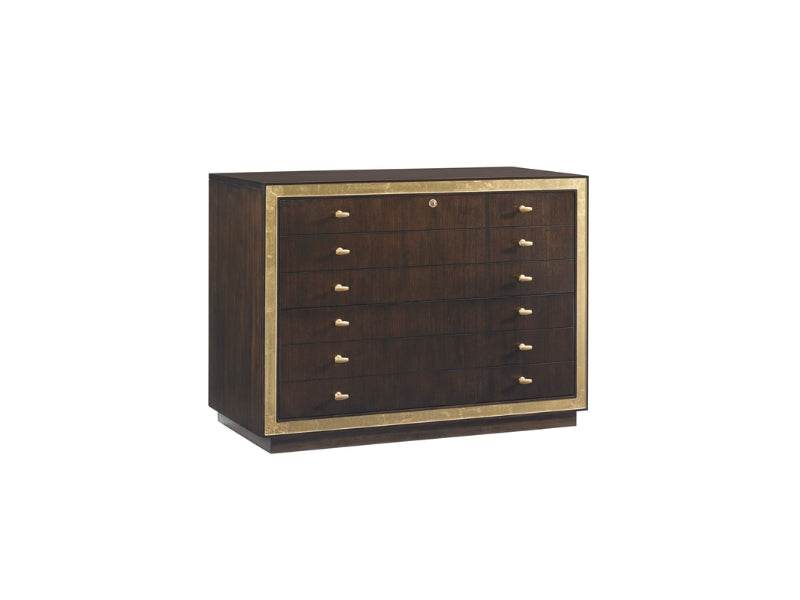
Les meubles de rangement dans les intérieurs transitionnels bénéficient d'une sélection rigoureuse des matériaux et d'une finition raffinée. Les choix de bois massif ont un impact sur la durabilité et le caractère de la surface, tandis que les mécanismes de tiroirs et de portes façonnent l'expérience quotidienne. La quincaillerie contribue discrètement au langage de conception global, renforçant la cohésion.
Les solutions de rangement sur mesure répondent aux exigences fonctionnelles et spatiales, que ce soit par des applications intégrées ou des pièces autoportantes qui offrent flexibilité et adaptabilité.
Éclairage et accessoires d'exception dans le style transitionnel de luxe
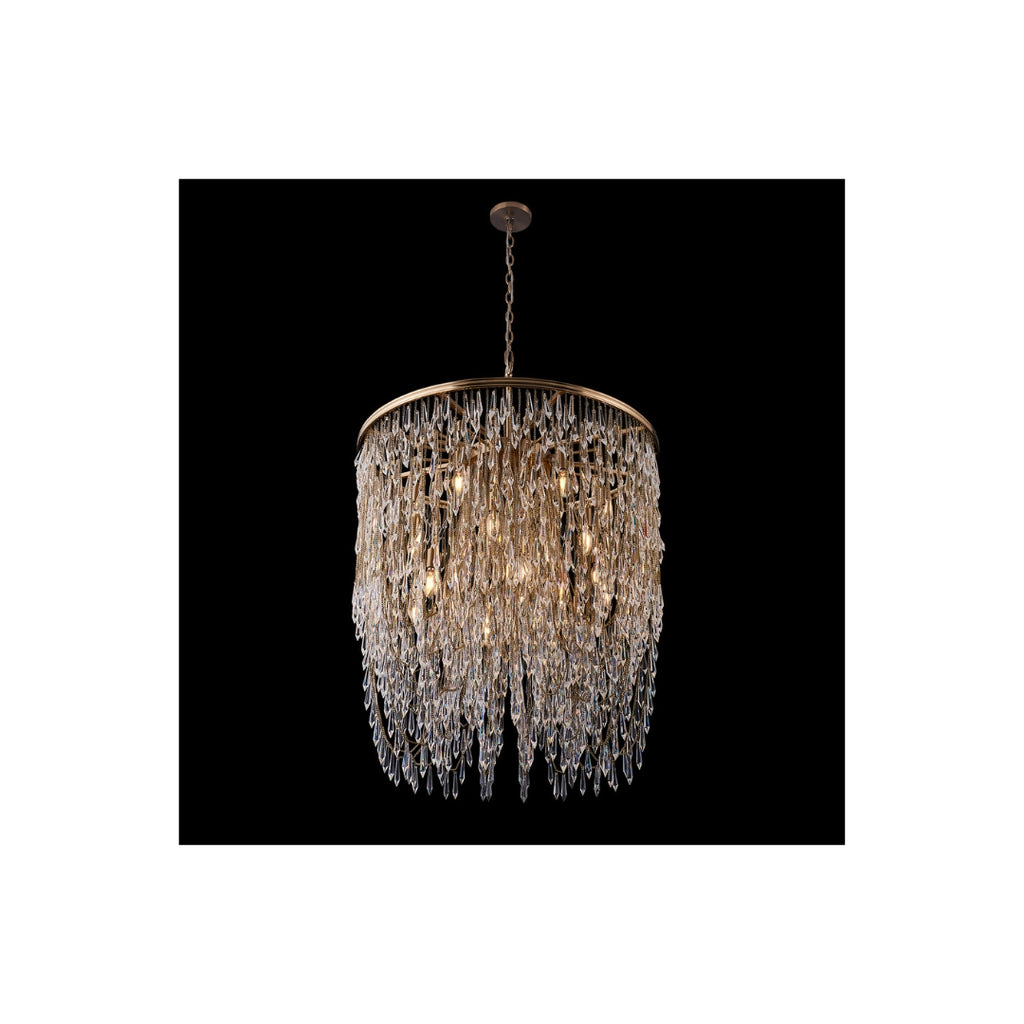
L'éclairage dans les intérieurs transitionnels de luxe fonctionne à la fois comme un élément architectural et une présence sculpturale. Les luminaires de designer et d'artisan ajoutent une distinction tout en supportant un éclairage en couches. Les accessoires sont choisis avec retenue, privilégiant un nombre réduit de pièces de qualité supérieure.
Les matériaux de finition complètent la composition, renforçant un sentiment de raffinement et de continuité dans tout l'espace.
Donner vie au design intérieur transitionnel dans notre salle d'exposition
Parce que le design intérieur transitionnel dépend de la façon dont les pièces sont liées, il récompense la sélection en personne plus que la plupart des styles. L'esthétique réside dans les relations de finition, d'échelle et de texture que les écrans et les échantillons ne peuvent pas pleinement transmettre. Dans la salle d'exposition Mobilart au 8260 Devonshire, Mont-Royal, s'étendant sur plus de 25 000 pieds carrés, ces combinaisons peuvent être testées en contexte, avec une consultation gratuite pour vous aider à équilibrer l'ancien et le nouveau dans votre style de design intérieur transitionnel.