Préparer votre consultation
Pour bien préparer votre consultation en design intérieur à Montréal, vous devez arriver avec quatre éléments : les dimensions de la pièce, y compris la hauteur des portes et du plafond, des photographies de l'espace actuel avec les pièces que vous souhaitez conserver, une idée générale du style souhaité ou un dossier d'images de référence, ainsi qu'une estimation honnête de votre budget et de votre échéancier. Les acheteurs qui arrivent préparés avancent plus rapidement dans la séance et repartent avec des conseils plus précis. Cette préparation indique également au designer quelles contraintes sont réelles et lesquelles sont plutôt des aspirations.
Votre brief de style et votre vision
La première partie substantielle de toute consultation en design est le brief de style, une conversation sur ce que l'acheteur trouve attrayant, ce qu'il n'aime pas de manière constante, et l'ambiance qu'il souhaite que la pièce dégage. Un décorateur d'intérieur expérimenté à Montréal abordera ces questions à travers des images de référence plutôt que des étiquettes de style abstraites. Des mots comme « contemporain » ou « moderne » ont des significations différentes pour différents acheteurs, de sorte que la conversation visuelle est plus fiable. Apporter trois à cinq images qui vous plaisent sincèrement est plus utile qu'un vocabulaire de style préparé.
Planification de l'espace et revue de l'aménagement
Dans une salle d'exposition de luxe, la dimension de la planification de l'espace lors d'une consultation fonctionne différemment d'une visite à domicile d'un designer indépendant. Un acheteur peut se tenir à côté d'un canapé ou d'une table à manger dans la salle d'exposition et évaluer si son échelle correspond à l'image mentale de sa pièce. Un bon conseiller utilise les dimensions fournies par l'acheteur pour lui présenter des pièces qui s'intègrent réellement, plutôt que des pièces qui ne sont que visuellement attrayantes. C'est ici que les erreurs d'échelle sont détectées avant que la commande ne soit passée plutôt qu'après la livraison, ce qui est la fonction la plus précieuse d'une consultation en salle d'exposition physique.
Examen des matériaux et des échantillons de tissu
L'examen des matériaux est l'étape où une consultation dans une salle d'exposition de luxe ou une firme de design intérieur à Montréal devient tactile plutôt que conceptuelle. Les échantillons de tissu et de cuir introduisent la texture, le poids et la finition comme de véritables apports sensoriels plutôt que de simples représentations à l'écran. Un acheteur qui a tenu un échantillon de bouclé et un échantillon de cuir pleine fleur dans la même pièce sait lequel correspond à son espace, d'une manière qu'une photographie de page produit ne peut transmettre. C'est à cette étape que les décisions concernant les meubles rembourrés sur mesure sont prises et que la palette de matériaux globale de la pièce commence à prendre forme.
Comprendre le budget et le calendrier
Une discussion budgétaire transparente est la partie la plus productive de tout rendez-vous de services de design d'intérieur. Un designer qui comprend la fourchette budgétaire peut orienter la séance vers des pièces et des configurations réalisables plutôt qu'ambitieuses. Pour les acheteurs qui envisagent des meubles sur mesure, le délai de livraison est une contrainte pratique qui détermine quelles pièces sont dans le champ d'application. Les options en stock avec des délais de livraison plus rapides peuvent être le bon choix lorsque la date d'emménagement est fixe. Une discussion claire sur la portée et le calendrier au stade de la consultation évite que des attentes non concordantes ne se développent après l'achat.
La consultation de design gratuite de Mobilart
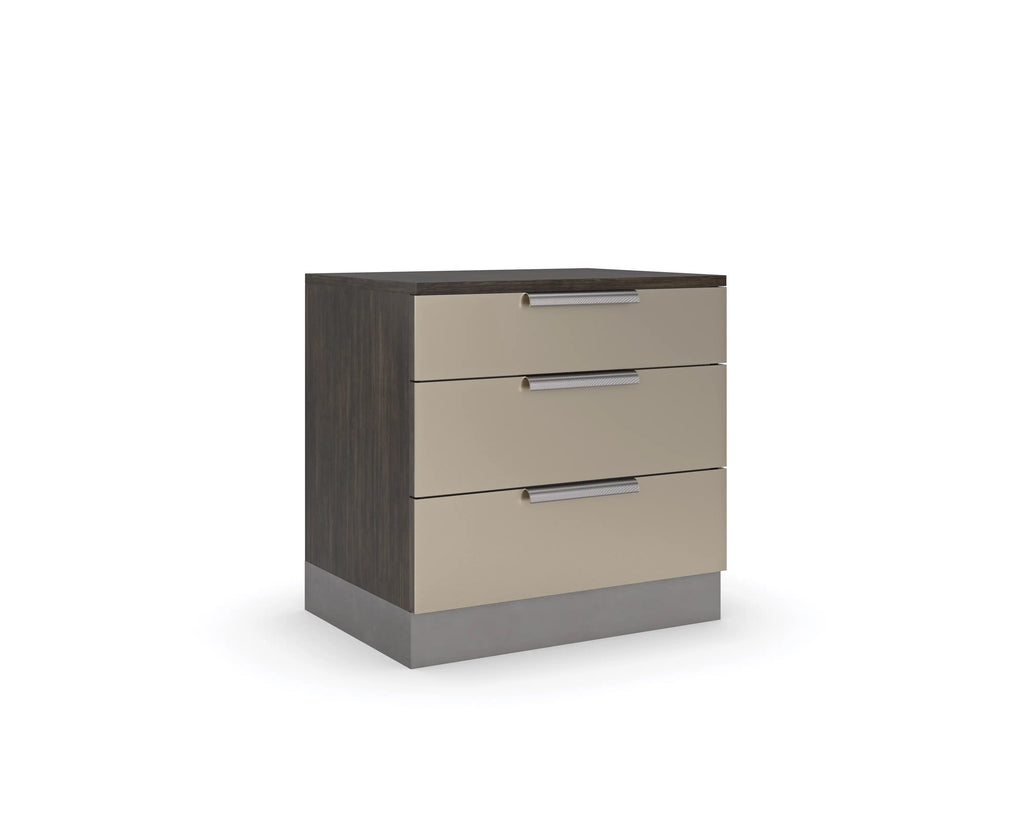
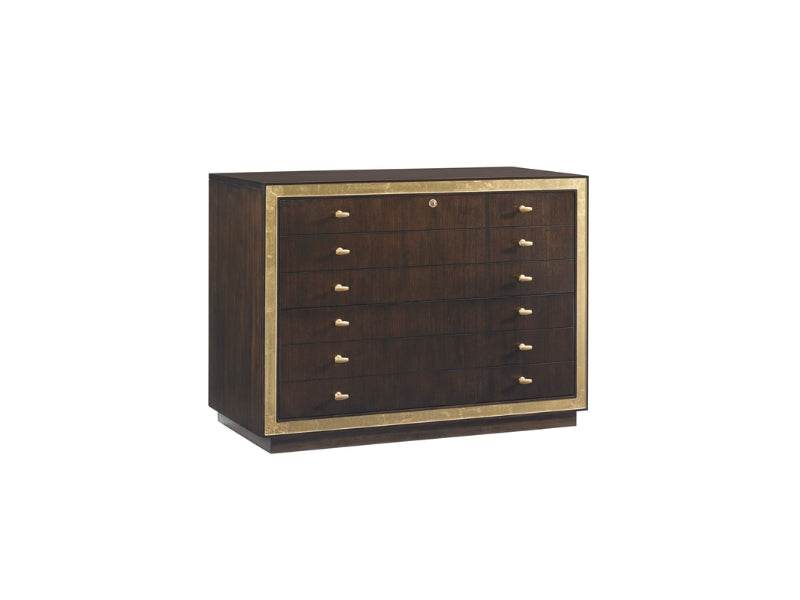
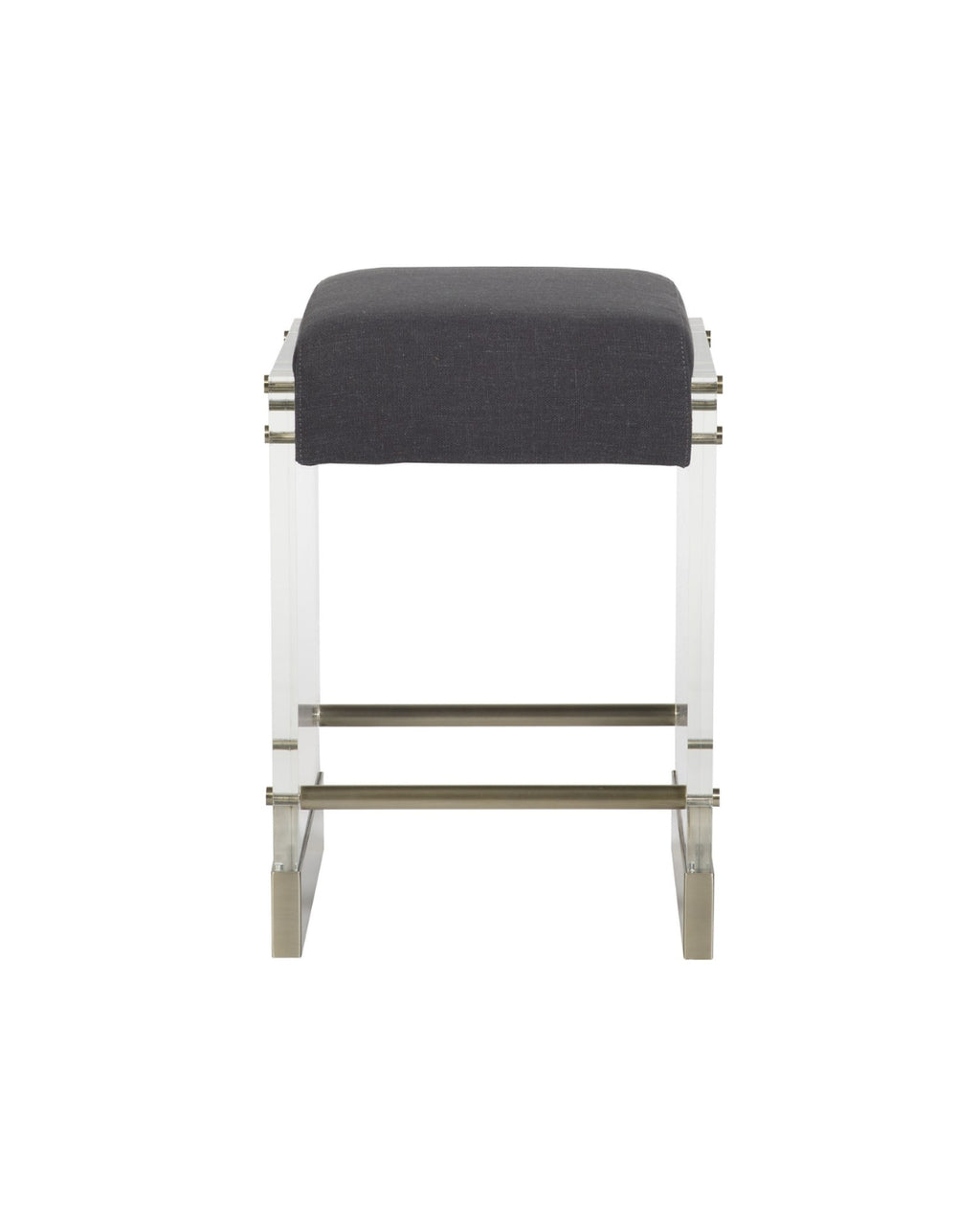
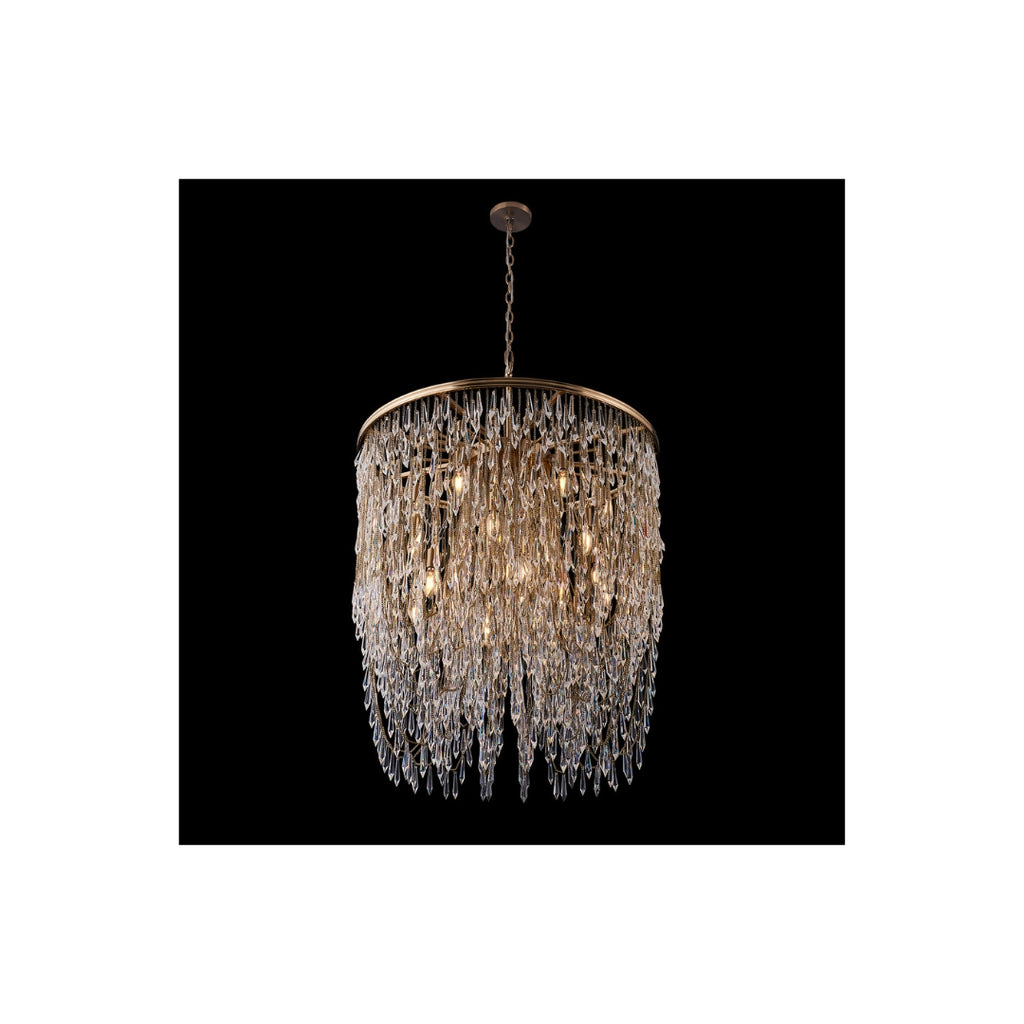
La consultation de design de Mobilart est gratuite pour tous les acheteurs, en magasin au showroom du 8260 Devonshire, Mont-Royal, et virtuellement pour les acheteurs partout au Canada qui préfèrent une séance à distance. La séance couvre l'ensemble du processus décrit dans ce guide : brief de style, planification de l'espace par rapport aux produits réels, examen des matériaux et des tissus, et sélection de produits de marques telles que Caracole, Bernhardt et Vanguard. Le showroom de 25 000 pieds carrés permet d'évaluer l'échelle et les proportions en personne par rapport à l'inventaire en direct, ce qui est l'un des avantages les plus fiables de l'expérience en showroom. Explorez lacollection de meubles contemporainspour commencer votre brief.
Évaluer vos besoins et votre style de vie
Une consultation approfondie inclut des questions sur la façon dont l'espace est réellement utilisé, et pas seulement sur l'apparence que l'acheteur souhaite lui donner. Un salon qui accueille quotidiennement de jeunes enfants nécessite des spécifications de revêtement différentes de celles d'un salon utilisé pour des réceptions formelles. Une chambre utilisée comme bureau à domicile a des besoins de proportionnement différents de ceux d'une chambre utilisée uniquement pour dormir. Comprendre les contraintes pratiques dès le début empêche le designer de proposer des solutions belles mais incompatibles avec le style de vie de l'acheteur. Être direct sur les habitudes d'utilisation quotidienne pendant la consultation produit de meilleures recommandations que de décrire une version idéalisée de l'espace.