













Guide complet pour aménager un condo à Montréal : astuces d'aménagement, fourchettes de prix, meilleurs styles de meubles et rangements intelligents pour les petits espaces
Guide complet pour aménager un condo à Montréal : astuces d'aménagement, fourchettes de prix, meilleurs styles de meubles et rangements intelligents pour les petits espaces

L'aménagement d'un condo à Montréal repose sur trois principes essentiels : choisir des meubles proportionnés à votre superficie, privilégier les pièces multifonctionnelles et adopter un style en accord avec l'architecture de votre immeuble. La plupart des condos montréalais, notamment à Griffintown, dans le Mille Carré Doré et à L'Île-des-Sœurs, affichent une esthétique moderne ou contemporaine, si bien que les meubles aux lignes épurées s'y intègrent le mieux. Au-delà de ces considérations, il s'agit d'une question de séquence : l'agencement d'abord, les grandes pièces ensuite, tout le reste enfin. Voici comment procéder pièce par pièce.

La plupart des condos montréalais sont à aire ouverte, le salon, la salle à manger et la cuisine partageant un espace continu — souvent entre 550 et 900 pieds carrés pour une unité d'une ou deux chambres. Avant d'acheter quoi que ce soit, délimitez l'espace :
Identifiez les « zones » — même dans un plan d'étage ouvert, traitez les zones de vie, de repas et d'entrée comme des pièces séparées définies par l'agencement des meubles, et non par des murs.
Mesurez les encadrements de portes et les ascenseurs, pas seulement la pièce. De nombreux immeubles en copropriété ont des ascenseurs exigus et des couloirs étroits qui excluent les pièces surdimensionnées avant même qu'elles n'atteignent votre unité.
Laissez des passages d'au moins 30 pouces entre les meubles — dans un espace plus petit, cela compte plus que d'ajouter une pièce supplémentaire.

Combien coûte l'ameublement d'un condo à Montréal ?
Pour un condo d'une chambre, prévoyez une dépense de 20 000 $ et plus pour un ameublement complet et de qualité (salon, chambre, salle à manger) et un deux-chambres coûte généralement 25 000 $ et plus. Les principaux facteurs de coût sont généralement le canapé, le lit et l'ensemble de salle à manger — il vaut donc la peine de dépenser plus pour ceux-ci et d'économiser sur les pièces d'appoint.
Choisir la bonne taille de mobilier pour un petit espace :
Le mobilier surdimensionné est l'erreur la plus courante dans la vie en condo. Quelques règles de base :
Canapés : Un canapé de 72 à 84 pouces (183 à 213 cm) s'adapte confortablement à la plupart des salons de condo ; tout ce qui est plus grand a tendance à dominer un espace à aire ouverte. Envisagez une causeuse plus un fauteuil au lieu d'un grand sectionnel si votre agencement est étroit.
Tables à manger : Les tables rondes ou ovales fonctionnent souvent mieux que les rectangulaires dans les zones de repas restreintes — elles sont plus faciles à contourner et permettent d'asseoir les gens plus souplement.
Tables basses : Prenez-en une plus petite et plus basse que ce que vous pensez avoir besoin ; dans un espace à aire ouverte, une table basse encombrante obstrue les lignes de vue.
Le mobilier multifonctionnel est non négociable
Dans un condo, chaque pièce devrait idéalement remplir plus d'une fonction :

Cela dépend du bâtiment, mais la plupart des condos montréalais — en particulier les constructions plus récentes à Griffintown, le Mille Carré Doré et l'Île des Sœurs — présentent une architecture épurée et moderne : béton apparent, grandes fenêtres, moulures minimales. Cela demande généralement des meubles modernes ou contemporains : silhouettes simples, palettes neutres ou monochromes, et un mélange de finitions mates et brillantes. Si votre unité se trouve dans un bâtiment patrimonial converti avec des briques apparentes ou des détails d'origine, vous avez plus de latitude pour un style éclectique-contemporain — l'ajout d'une ou deux pièces vintage ou industrielles s'accorde bien avec ce type d'architecture.
Salon : Un canapé bien proportionné, un fauteuil d'appoint, une table basse et un meuble TV adapté à la taille du mur — et non de la télé. Évitez d'assortir chaque pièce ; une ou deux textures contrastantes empêchent l'ensemble de ressembler à une salle d'exposition.
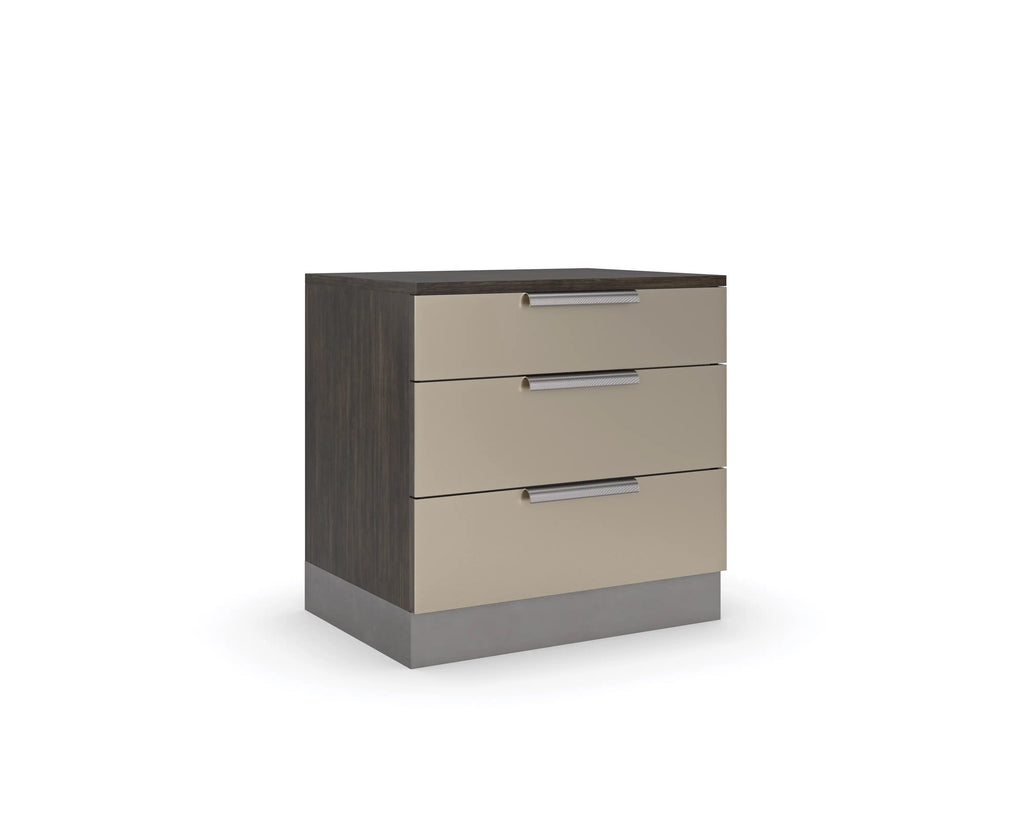
Chambre : Un lit plateforme avec rangement, une table de chevet de chaque côté (pas de commode si l'espace de rangement est suffisant), et un miroir pour agrandir la pièce.
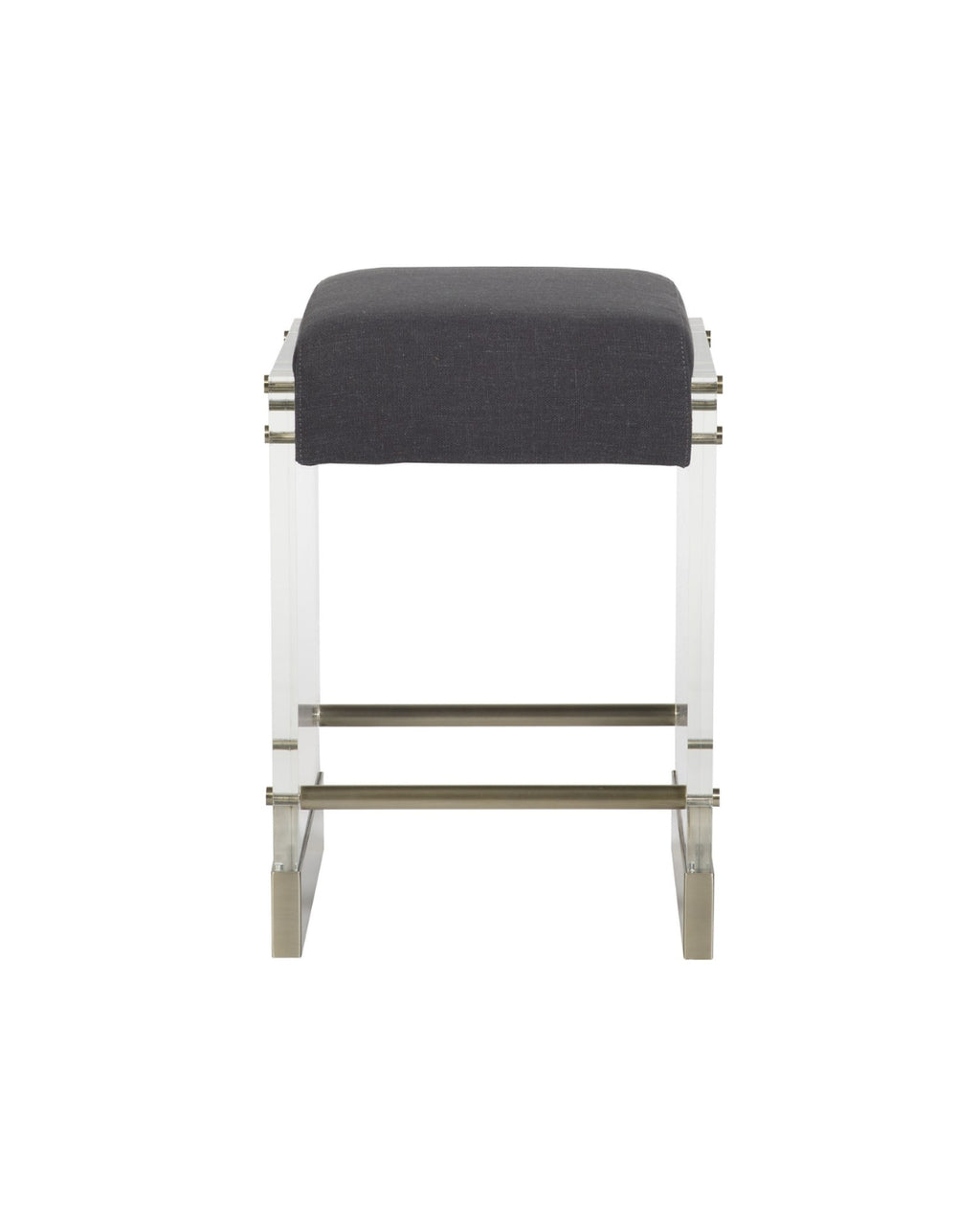
Coin repas/cuisine : Une table extensible ou ronde, 2 à 4 chaises qui peuvent être entièrement glissées sous la table lorsqu'elles ne sont pas utilisées, et des étagères ouvertes ou flottantes au lieu d'une huche complète.
Coin bureau : Un bureau fin (même mural), une chaise qui peut se glisser entièrement dessous, et du rangement vertical — les condos ont rarement de la place pour un bureau dédié.


Meubler un condo est un véritable exercice d'édition – moins de pièces, de meilleure qualité, choisies autant pour leur échelle que pour leur style. C'est précisément là qu'interviennent les consultants en design de Mobilart : de la planification d'espace pour les aménagements exigus à la recherche de meubles adaptés à votre superficie exacte, nous vous aidons à éliminer les incertitudes liées à l'ameublement d'un condo à Montréal. Réservez une consultation en design avec Mobilart et obtenez un plan d'aménagement avant d'acheter le moindre meuble.