













Guide du mobilier de bureau à domicile

Bibliothèques et classeurs


Ce guide de mobilier de bureau à domicile vous aide à choisir un bureau, une chaise et des rangements qui s'harmonisent parfaitement. Notre sélection comprend des bureaux de direction, des chaises de bureau, des bibliothèques et des classeurs, avec une consultation de design gratuite dans notre salle d'exposition.
Le bureau est la pièce maîtresse de la pièce, c'est pourquoi son matériau et son style donnent le ton. Un bureau de direction en bois massif apporte chaleur et durabilité, tandis que les finitions en verre et en métal conviennent à un look plus épuré et contemporain. Les bureaux recouverts de cuir ajoutent une surface raffinée et agréable au toucher. Quelle que soit la direction que vous choisissez, laissez la taille du bureau s'adapter à la pièce et à votre flux de travail quotidien, avec des finitions en bois massif, verre et métal, et cuir pour correspondre à la façon dont vous travaillez le mieux.
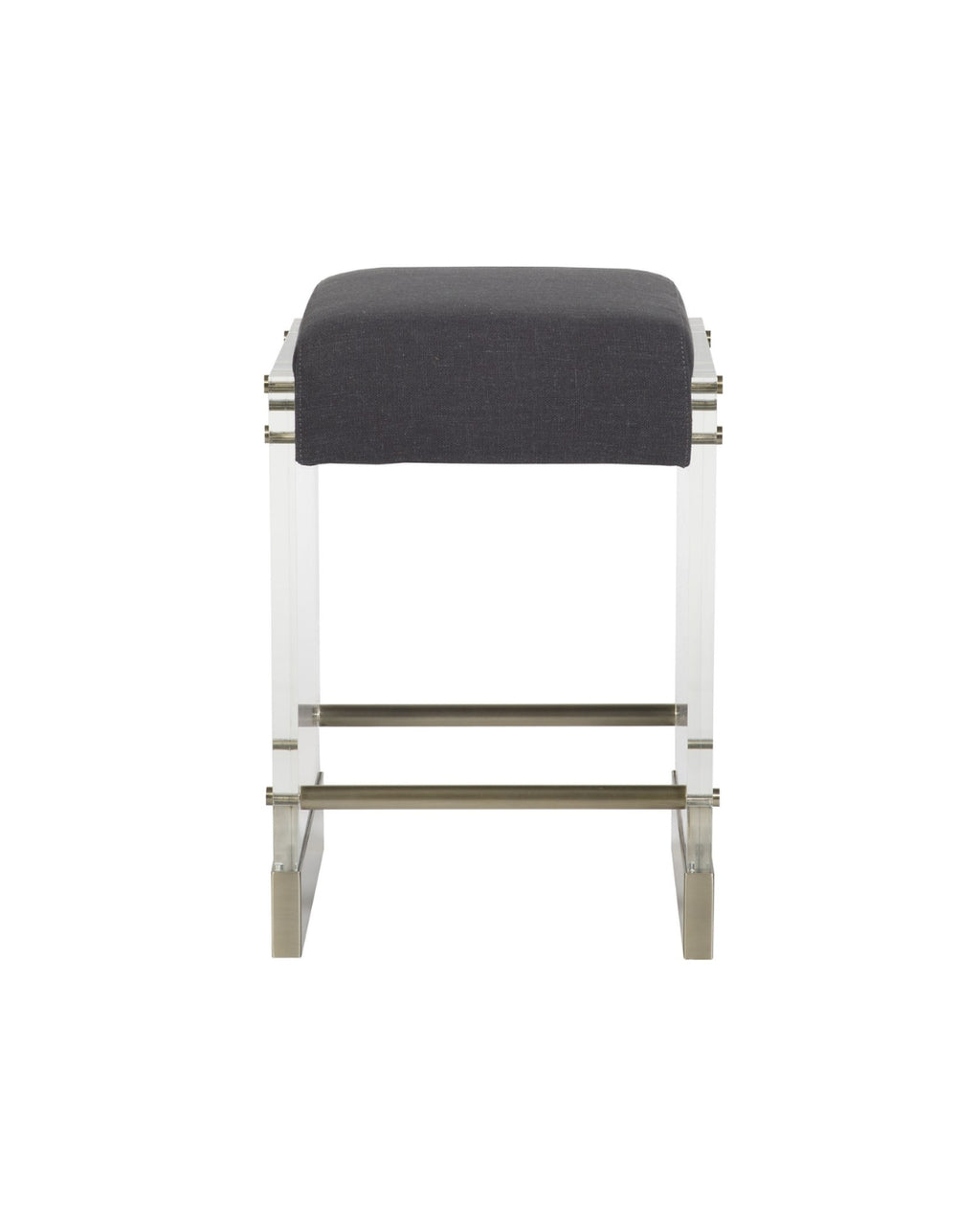
Le confort et le revêtement méritent autant d'attention que le bureau. Les fauteuils de bureau pivotants et réglables en hauteur s'adaptent à diverses configurations et vous permettent de vous déplacer facilement dans l'espace de travail. Pour les longues heures de travail, un bon soutien lombaire fait une réelle différence en fin de journée. Le revêtement en cuir pleine fleur apporte un look raffiné et sur mesure qui vieillit magnifiquement. Dans la mesure du possible, testez une chaise en personne, car le confort est difficile à évaluer à partir des seules spécifications écrites.
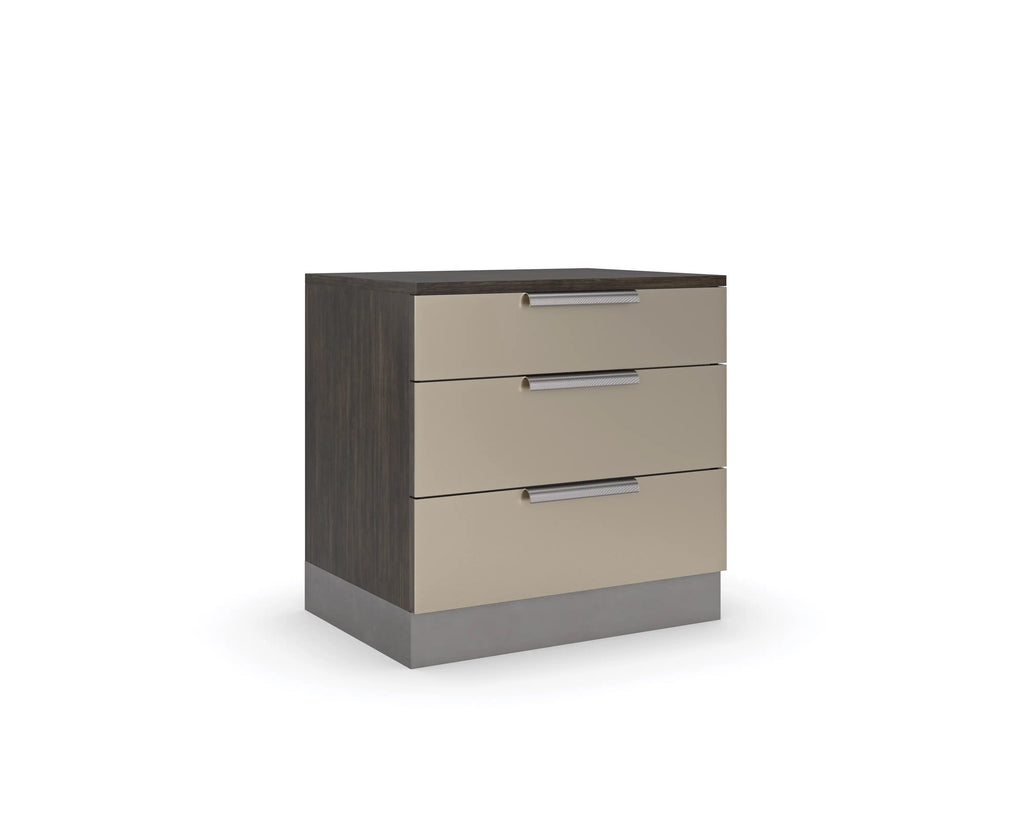
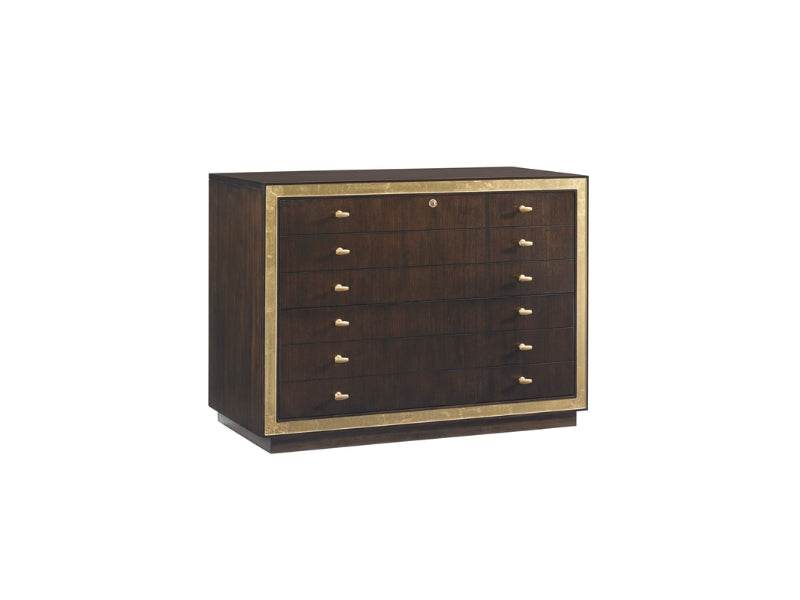
Le rangement trouve sa place dans la conception, pas seulement pour son utilité. Les bibliothèques exposent des livres et des objets personnels qui donnent du caractère à la pièce, tandis que les classeurs gardent les documents organisés sans pour autant paraître purement utilitaires. Les options en bois massif et en verre trempé conviennent à différentes palettes de finitions, de sorte que le rangement peut faire écho au bureau plutôt que de rivaliser avec lui. Planifiez en fonction de ce que vous utilisez quotidiennement lorsque vous choisissez entre ces finitions.
L'emplacement réfléchi du bureau détermine le fonctionnement de la pièce. Positionnez le bureau de manière à équilibrer la lumière naturelle et les reflets sur l'écran, idéalement de façon à ce que les fenêtres soient sur le côté plutôt que directement devant ou derrière. Laissez un espace de circulation dégagé entre le bureau et l'entrée pour faciliter les déplacements. Gardez le rangement fréquemment utilisé à portée de main de la chaise, afin que les tâches quotidiennes ne soient pas interrompues. Laissez les proportions de la pièce guider l'échelle du bureau et du rangement, en évitant les pièces qui encombrent l'espace.
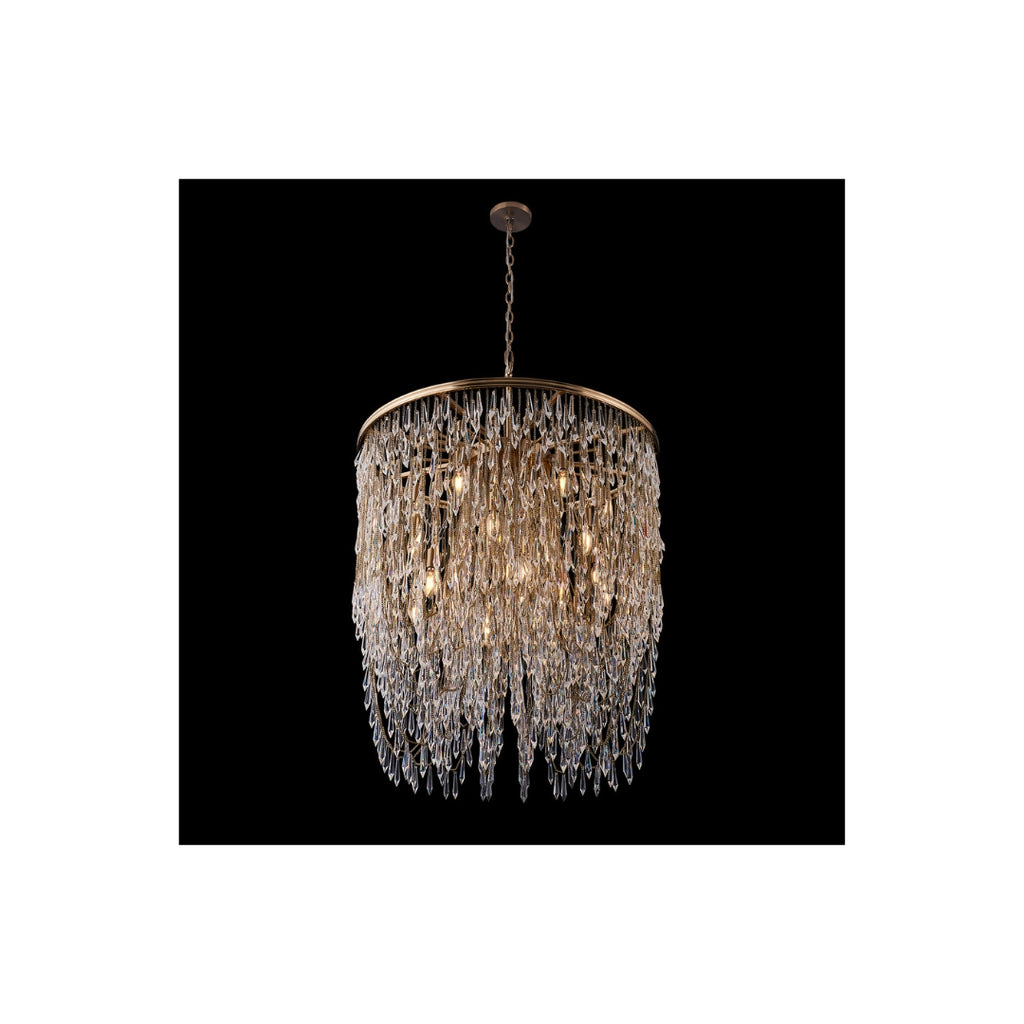
L’éclairage est ce qui transforme un bureau fonctionnel en une pièce esthétique. Un éclairage en couches favorise à la fois la concentration et l’ambiance, vous offrant de la luminosité pour les travaux minutieux et de la chaleur pour les moments plus calmes. Les lampes, les lustres et les appliques murales ajoutent de la profondeur au-delà des seuls plafonniers. Choisissez des finitions qui rappellent les tons de métal ou de bois utilisés ailleurs pour une cohérence. Un bon éclairage réduit également la fatigue oculaire lors de longues sessions de travail.
Un bureau de condo partage souvent son espace avec une chambre d'amis ou un coin lecture, de sorte que les meubles doivent avoir une double fonction. Un bureau dans un condo montréalais bénéficie d'une échelle compacte et proportionnée qui laisse de la place pour bouger et se reposer. Le rangement fermé aide une pièce polyvalente à rester rangée entre les utilisations, en cachant les documents lorsque l'espace change de fonction. Si vous aménagez des pièces selon un plan d'étage exact, une consultation de conception peut vous aider à planifier en toute confiance.
Un bureau semble réfléchi lorsqu'il s'harmonise avec les pièces qui l'entourent. Répéter une teinte de bois ou une finition de quincaillerie lie l'espace de travail aux espaces voisins et crée une cohérence de finition partout. Une palette de matériaux partagée donne l'impression qu'un bureau à aire ouverte est intentionnel plutôt qu'ajouté. La texture du revêtement peut faire écho aux pièces déjà utilisées dans les salons ou les salles à manger, en portant un fil conducteur familier dans toute la maison. Ce type de cohérence soutient une maison globale cohérente et réfléchie.
Un bureau, une chaise ergonomique et des rangements adéquats constituent le cœur de la plupart des aménagements de mobilier de bureau à domicile. À partir de là, les choix d'éclairage et de finition complètent un espace fonctionnel et bien pensé, agréable à utiliser jour après jour. Vos besoins exacts varient en fonction de l'utilisation de la pièce, car un espace de travail à temps plein demande plus qu'un coin écritoire occasionnel. Commencez par les meubles que vous utilisez le plus, puis aménagez la pièce avec intention.
L'aménagement du bureau à domicile a un réel effet sur la concentration. Placer le bureau face à la porte peut créer un sentiment accru de contrôle et de conscience de l'environnement, évitant ainsi de travailler dos à la pièce. Positionner le bureau près d'une fenêtre avec la lumière du matin favorise la vigilance plus tôt dans la journée de travail. Éloigner votre espace de travail des zones très fréquentées de la maison réduit les interruptions et vous aide à vous installer dans de plus longues périodes de travail concentré.
Un bureau de direction est généralement plus grand, offrant une surface de travail plus étendue et des rangements intégrés (tiroirs, placards), ce qui le rend bien adapté au travail à temps plein et à la paperasse. Un bureau secrétaire a un profil plus petit et plus simple, idéal pour les pièces compactes ou les tâches plus légères comme la correspondance et la lecture. Le bon choix dépend de la quantité de rangement dont vous avez besoin et de l'espace disponible. Mesurez soigneusement la pièce avant de choisir entre les deux.
Les deux fonctionnent bien, et la décision dépend souvent du confort et de la finition. Le cuir offre un aspect classique et a tendance à être plus facile à nettoyer, tenant bien au fil des années d'utilisation. Le tissu d'ameublement est généralement plus doux et peut sembler plus frais pendant de longues sessions assises. Considérez comment la chaise s'intègre à la palette de finitions de votre pièce, en plus de son confort, car une chaise que vous utilisez quotidiennement doit convenir à la fois à votre confort et à l'espace.
Un seul meuble de bureau de luxe bien choisi, comme un bureau avec un plateau en cuir, peut ancrer une petite pièce et en définir le ton. L'harmonisation des quincailleries et des finitions entre les meubles crée un aspect réfléchi et intentionnel, plutôt qu'une collection d'éléments disparates. Un miroir ou une surface réfléchissante peut ouvrir visuellement un espace compact, ajoutant de la lumière et une sensation de profondeur. La sobriété est souvent synonyme de raffinement, c'est pourquoi quelques pièces d'excellence surpassent de nombreux objets entassés.
This website uses cookies to ensure you get the best experience on our website.