















OCTOBER , 2026
Small bedroom furniture works hardest when every piece earns its footprint. This guide walks through the choices that matter most in a compact condo bedroom, from bed style and storage to mirrors and lighting, so a Montreal condo owner can furnish a small room that still feels open, uncluttered, and comfortable to live in each day.
Small bedroom furniture rewards restraint over volume in a compact footprint. Choosing fewer, better-scaled pieces keeps walkways clear and stops the room from feeling cramped. Measure the available floor space before shopping, including door swing and closet access, so furniture scale suits the room rather than fighting it. Careful measurement prevents an oversized dresser or bed from being ordered for a space that simply cannot accommodate it comfortably, disrupting the flow the room depends on.
A platform bed keeps the profile low and contained, avoiding the bulk of a tall base or headboard. It remains one of the most effective pieces of space-saving bedroom furniture available. That lower silhouette helps a small room feel calmer, especially alongside a dresser or multiple windows. A low profile frame without a footboard also makes the room easier to move through, keeping the space open rather than segmented by heavy edges that visually crowd an already tight footprint.
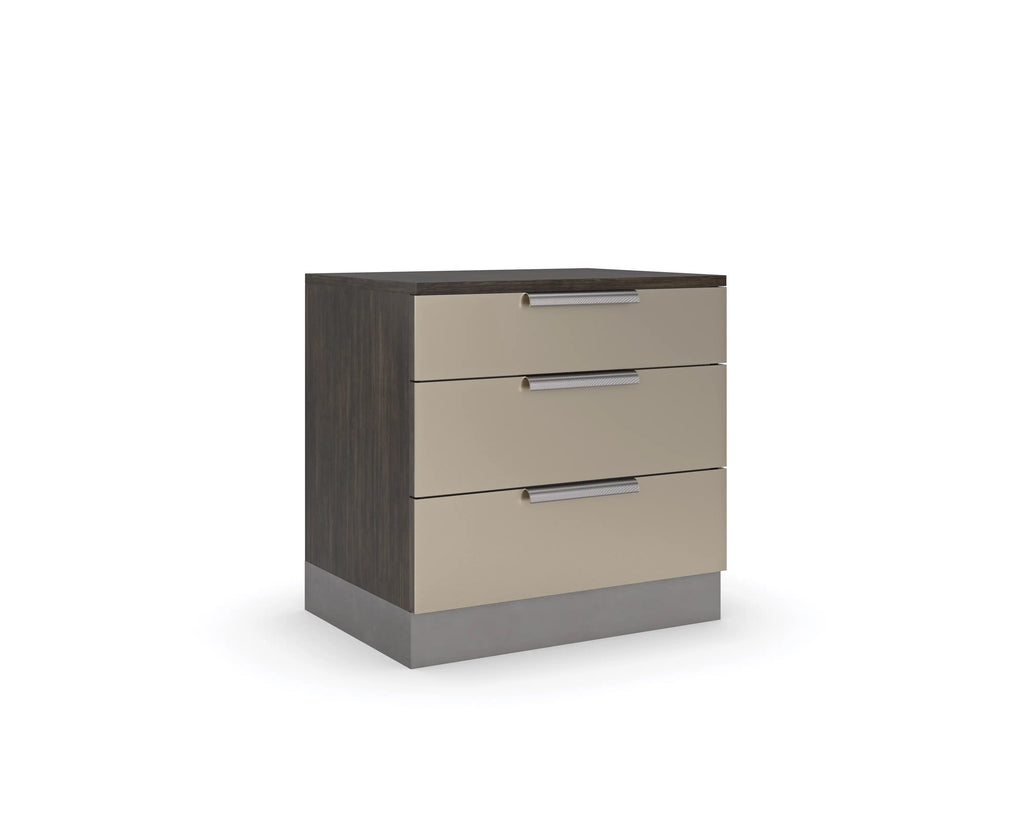
A floating nightstand mounted at mattress height frees up floor space entirely, a strong option for compact layouts where every square foot counts. Where wall mounting is not possible, a narrow profile nightstand achieves a similar effect against the same wall. Either approach preserves the bedside surface a household actually needs, holding a lamp, a book, and a glass of water, without adding visual bulk to an already small room or interrupting the clear line along the floor.
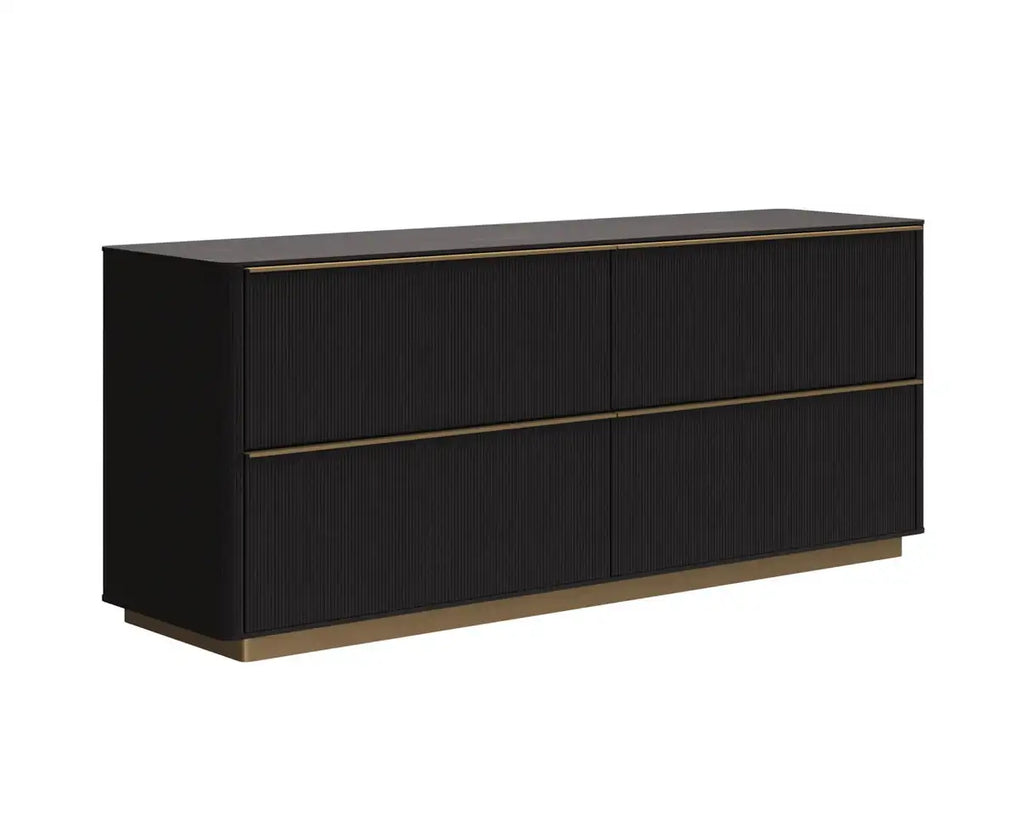
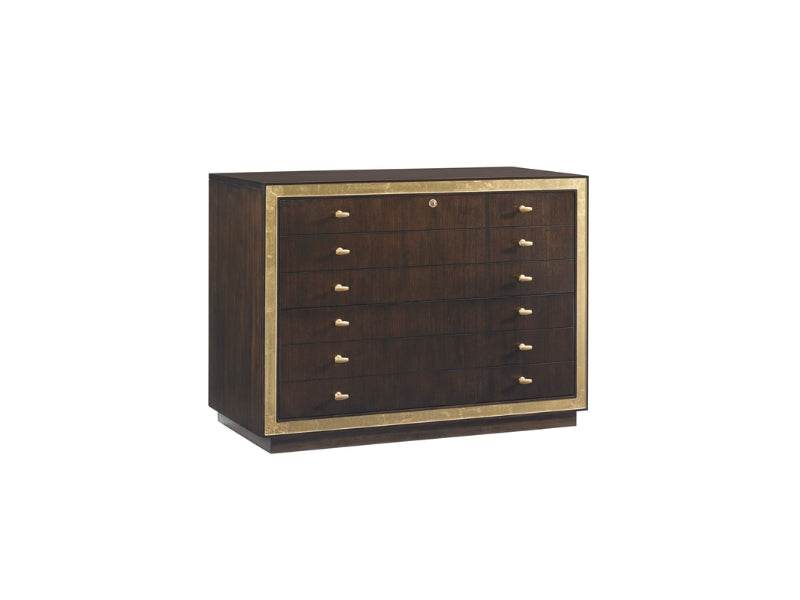
When floor space is limited, compact bedroom storage should grow upward rather than outward. A tall dresser holds as much as a wide one while occupying far less wall run, making vertical storage the smarter use of a tight room. Positioning it in an underused corner or beside a closet keeps the storage genuinely useful without interrupting the room's main walking path or blocking natural light from a window, both of which a small bedroom can rarely afford to lose.
A storage bench at the foot of the bed doubles as seating and a place to tuck away extra bedding or off-season linens out of sight. An ottoman with a hidden compartment works similarly in tighter layouts where a bench will not fit. This kind of multi-use bedroom furniture lets a small bedroom serve more than one function at once, adding storage and comfort without introducing a dedicated extra piece that would crowd the floor and shrink the sense of space.
A mirror reflects light and visually extends a small room without adding physical furniture to the floor. It is one of the simplest ways to make a compact bedroom feel larger. A tall leaner mirror against a wall works well when floor space is tight, while a mirror positioned to catch window light amplifies the reflected light further. Placement near the entry can also make the room feel more spacious on approach, greeting you with depth rather than a close wall.
Wall-mounted sconces free up the nightstand surface area that a table lamp would otherwise occupy, a meaningful gain in a small room where every surface matters. Layering a ceiling fixture with focused task lighting near the bed covers both general and reading needs at once. This keeps limited surfaces clear rather than crowding them with several lamps, and it lets you adjust the mood without rearranging furniture each evening or sacrificing the bedside space a small room already lacks.
Mobilart has curated fine furniture for over 40 years, a family legacy since 1932. At the showroom, over 25,000 sq ft at 8260 Devonshire, Mont-Royal, a complimentary design consultation helps confirm scale for smaller footprints before you order, so pieces suit the room from the outset. White-glove delivery is complimentary within a 60 KM radius across Canada, with a fee beyond that distance. Visit the Mont-Royal showroom to see compact bedroom pieces in person and explore our [white-glove delivery service](/pages/white-glove-delivery-service).
Bedroom furniture sets chosen as a coordinated collection, rather than pieced together from separate ranges, tend to read as more intentional in a small room. Confirming that every piece, the bed, nightstand, and dresser, shares a consistent proportional scale and finish prevents one oversized item from throwing off an otherwise well-planned layout. A matched group also keeps sight lines calm, which helps a compact bedroom feel considered rather than assembled piece by piece from mismatched sources over time.
Light wall colours and a lighter wood or upholstery finish help a small bedroom feel more open and airy. A neutral palette across the larger pieces reinforces that sense of space and keeps the eye moving freely. Slim-profile furniture supports this further, since bulky silhouettes read as heavier regardless of colour. Reserving a bolder finish for a single accent piece, rather than applying it across the whole room, keeps the space feeling light, uncrowded, and calm to rest in.
Bedroom furniture for Montreal condos often involves elevators, narrow hallways, and building-specific access rules. Confirming doorway clearance and elevator dimensions ahead of ordering avoids delivery day surprises. This matters most for larger pieces like dressers or platform bed frames that cannot be disassembled. Checking your building's booking requirements in advance, including any reserved elevator access windows, also keeps the delivery day on schedule and free of last-minute complications that can delay a piece you have waited weeks to receive.
Small bedroom furniture succeeds when every piece is chosen for its footprint, not just its style. Platform beds, vertical storage, floating nightstands, and well-placed mirrors work together to keep a compact Montreal condo bedroom functional and visually open. Planning scale and access before ordering turns a tight footprint into a room that still feels considered and comfortable, where each piece supports daily life rather than competing with it for space, and the room reads as calm rather than crowded.
Under-bed storage bins or a bed frame with built-in drawers can absorb overflow items like off-season clothing and spare linens, keeping them out of sight while freeing wall space. A dresser is still typically needed for daily-use clothing that benefits from easier access at standing height. In practice, the two work best together in a small room, with under-bed storage handling seasonal items and the dresser managing everyday essentials you reach for each morning without bending down.
Simple, light-coloured blinds or unlined curtains that let more light through tend to keep a small room feeling open and uncluttered. Heavy layered drapery can visually shrink the space and compete with furniture for attention. Mounting the treatment closer to the ceiling and letting it fall to the floor also draws the eye upward, which makes the walls read as taller. The goal is to admit light while keeping the window line clean and unfussy throughout.
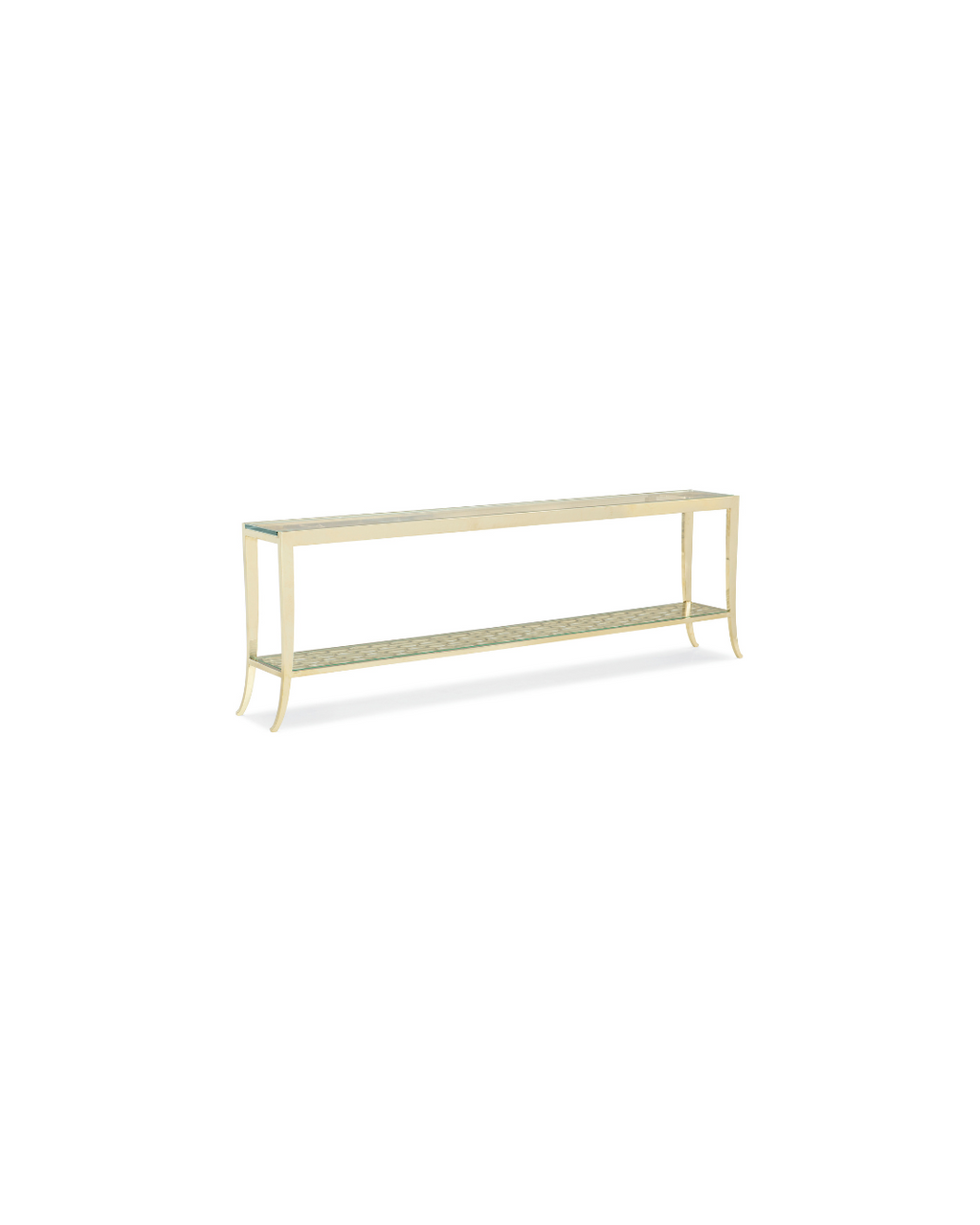
A narrow desk placed along an underused wall, or a fold-down wall-mounted desk, can fit alongside a bed in many small bedrooms without crowding the walking path. The key is keeping the bed itself to a compact footprint so the two pieces do not compete for the same floor space. A slim console-style desk that doubles as a vanity or side surface is another way to add function without introducing a bulky dedicated workstation into the room.
Seasonal humidity changes can cause solid wood drawers to expand slightly in summer and stick, then contract in the drier winter months. Keeping furniture away from radiators and maintaining stable indoor humidity where possible helps minimise this movement over time in condo units. Occasional easing of drawer runners and allowing new pieces to acclimatise to the room before heavy use also reduces the chance of sticking, keeping wood furniture operating smoothly through every season of the year.
A rug is not strictly necessary, but the right size generally helps rather than hurts. A rug sized to extend slightly beyond the bed frame, rather than a small one floating in the middle of the room, makes a small bedroom feel more grounded and cohesive. Undersized rugs tend to fragment the floor and draw attention to how little space there is, while a larger, well-placed rug ties the layout together and reads as calm and intentional.
Leaving at least two feet of clearance on the sides used for walking or making the bed is generally recommended, even in a compact room. That margin keeps the space functional and easy to move through daily. If one side of the bed sits against a wall, concentrate the clearance on the access side and along the foot of the bed. Planning these margins before ordering helps confirm that the chosen bed size genuinely suits the room.
This website uses cookies to ensure you get the best experience on our website.